TECH Signal 410
Photon Matrix laser mosquito zapper moves to production while backers seek safety certification clarity
 ↗
↗
The Photon Matrix laser mosquito zapper has entered production after $2.8M in crowdfunding, but backers remain uncertain about safety certification and company communication.
Engineers evaluating similar LiDAR-galvo laser systems must consider the cost of obtaining international laser safety certifications before market release. Lack of clear certification can delay deployment and increase liability risk for end-users. Transparent communication from vendors is critical to maintain trust in crowdfunded hardware projects.
Written by elseif from the cluster below · every claim links back to a sourceThe three things worth knowing
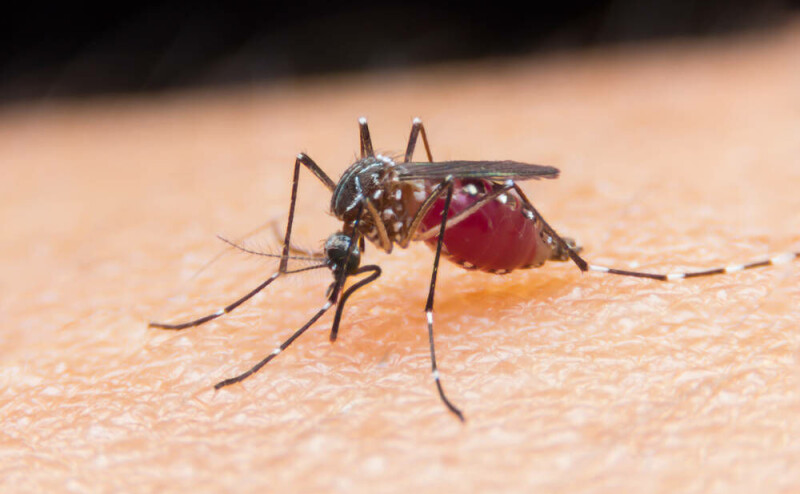
The device uses LiDAR to locate mosquitoes, a galvo system to track them, and a laser to zap insects up to six meters away, effective on winged targets 2 mm to 20 mm flying no faster than 1 meter per second.
Pre-orders are available in the US, UK (excluding Northern Ireland), EU, Australia, and China, with the vendor promising shipment within 120 days.
Backers have raised concerns about ongoing safety certification progress, the responsiveness of refund requests, and potential laser interference with aircraft.
THE READ
What the cluster adds up to.
After documenting a working prototype in June 2025, Photon Matrix Lab raised more than $2.8 million via Indiegogo and has now moved the laser mosquito zapper into mass production. The transition from prototype to production took over a year of development and testing. This timeline reflects the typical hardware development cycle for a novel consumer laser system.
Technically, the zapper combines a LiDAR sensor for target acquisition, a galvo mirror system for beam steering, and a laser emitter to disable mosquitoes in flight. The system is marketed for indoor use, with an effective range of six meters and a speed limit of one meter per second for targets. These constraints define the operational envelope within which the device can reliably function.
Adoption costs extend beyond the $1,000 unit price to include the burden of safety certification, which the vendor states is still in progress as of June 2026. Backers also note that the terms of service place import legality responsibility on the customer, and there are unverified concerns about possible laser interference with aircraft. Refund processes have been described as slow or unresponsive by some supporters.
For engineers, the case highlights the importance of securing certifications early, maintaining clear communication with backers, and assessing environmental and regulatory limits before field deployment. The device may stop working effectively outdoors, against faster insects, or in jurisdictions where laser safety standards are not met. These factors should inform risk assessments for similar directed-energy consumer products.
Written by elseif from the cluster below · checked for specifics the sources never containedTHE CLUSTER