Our framework for reporting model misalignment
This provides a structured approach for identifying and communicating deviations in model behavior. It signals an attempt to standardize how unexpected AI outputs are handled and reported.
FRIDAY BRIEF 7 STORIES
The highest-signal stories across every topic elseif tracks. Read it once and you are done for the day.
This provides a structured approach for identifying and communicating deviations in model behavior. It signals an attempt to standardize how unexpected AI outputs are handled and reported.
This situation raises significant security concerns within the Rust community, as it could lead to the distribution of malware through trusted channels. Engineers and developers must be vigilant against such attacks to protect both their personal and professional environments. Ensuring robust security practices will be essential to mitigate the risks posed by these targeted threats.
This confirmation marks a significant shift in the US military strategy regarding space, indicating a readiness to counteract perceived threats from rivals like Russia and China. The announcement raises questions about the implications for international military balance and potential arms races in space.
This expansion requires navigating Singapore's specific regulatory framework, including mandatory safety assessments at CETRAN. It signals a strategic pivot toward international markets where domestic US regulatory hurdles have stalled growth in major cities.
The release of jemalloc 5.4.0 incorporates significant bug fixes and performance optimizations which are crucial for memory management in applications. These enhancements can lead to improved application efficiency and reliability. Engineers using jemalloc could benefit from the new functionalities and streamlined codebase.
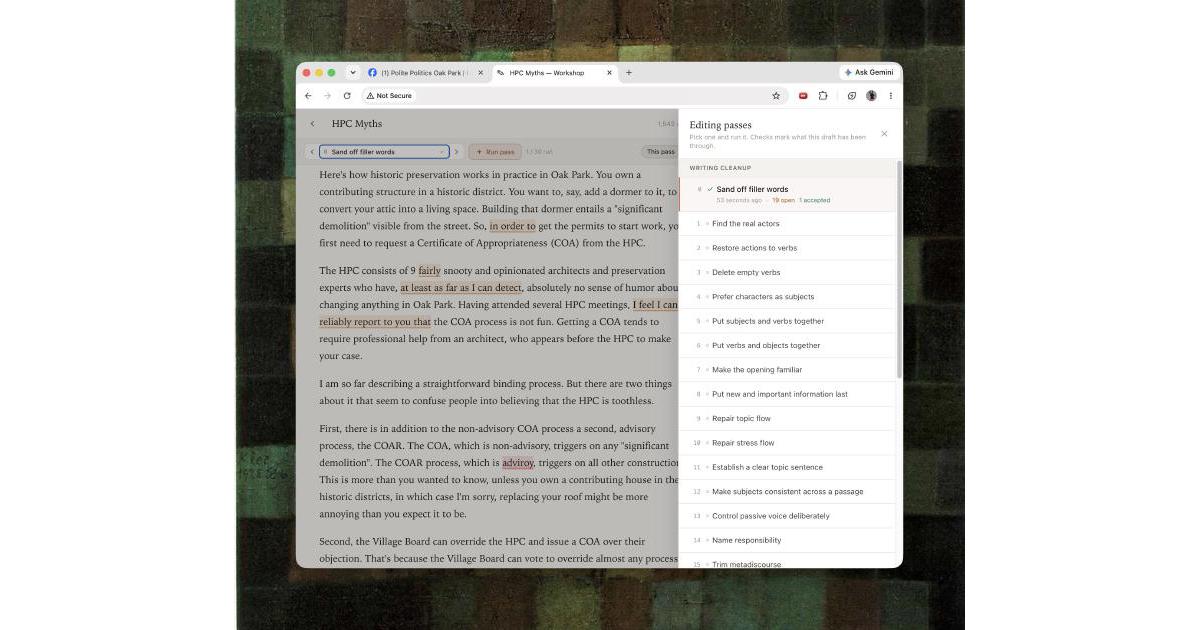
Understanding how to leverage LLMs for writing can enhance clarity and effectiveness in communication. The guidelines provided can help writers avoid common pitfalls associated with LLM suggestions, ensuring that the final output remains authentic and engaging.
Astra for Law is designed to enhance legal practices by integrating AI into workflows. This development could significantly streamline legal processes and improve efficiency in handling confidential client matters.
END OF BRIEF
The brief is finite on purpose. There is no infinite scroll here, and nothing is held back to bring you back sooner.
Browse the full index anyway →Top stories right now