TECH Signal 337
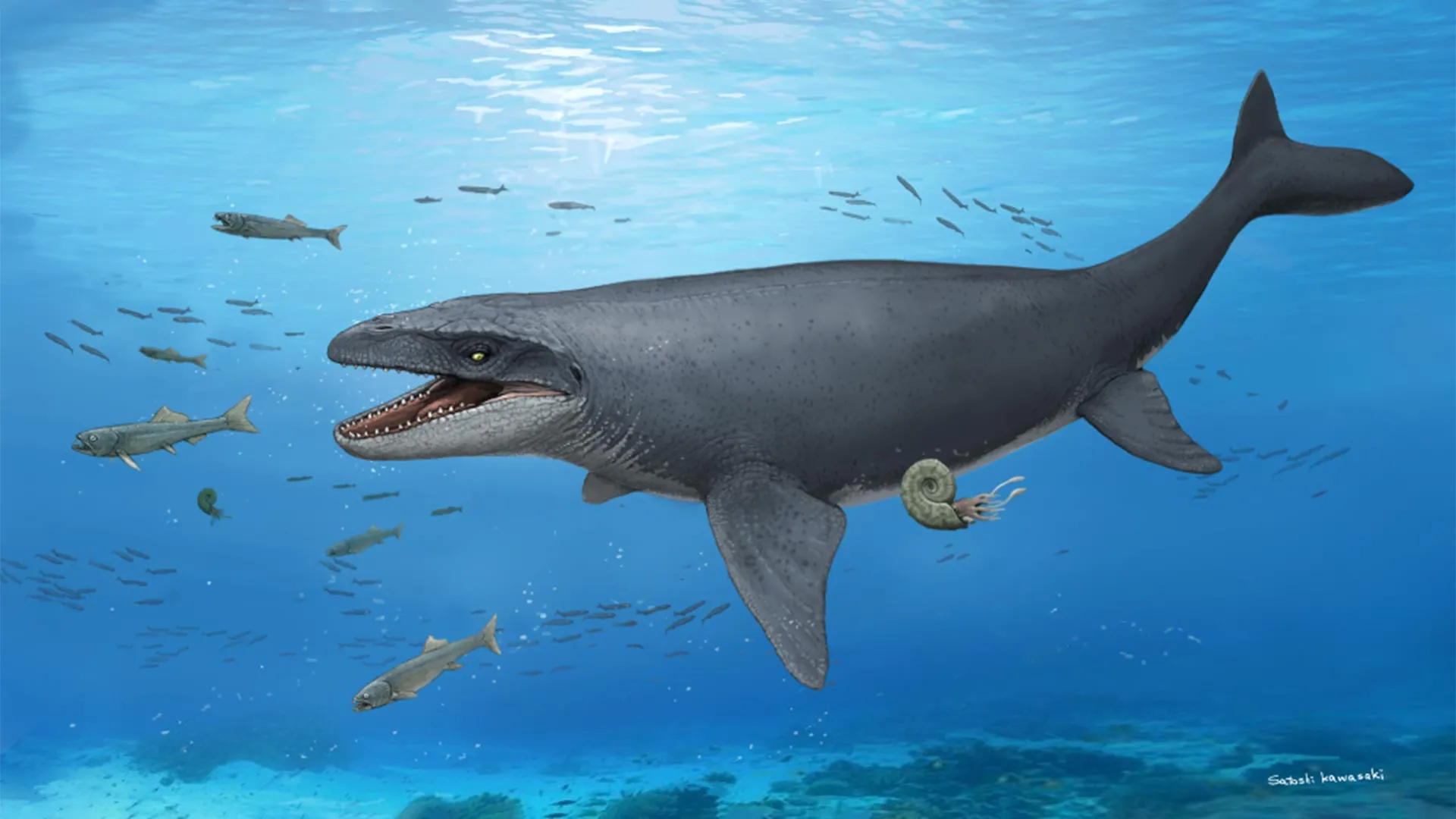
Researchers identify first Japanese mosasaur premaxilla among four hidden bones, hinting at new species
 ↗
↗
Four previously unrecognized bones, including the first confirmed premaxilla in a Japanese mosasaur, were identified in a 30-year-old fossil from Osaka, suggesting the specimen may represent a new species.
The find shows that re-examining archived specimens with modern comparative data can reveal missed information, a practice that can be applied to legacy engineering datasets. It also highlights how expanded reference collections improve classification accuracy, reducing false assumptions in analysis.
Written by elseif from the cluster below · every claim links back to a sourceThe three things worth knowing
Four hidden bones were uncovered in rock from a 1990-1992 Osaka mosasaur find, including the first confirmed premaxilla for a Japanese specimen.
Unusual skull features, such as horn-like projections on the basisphenoid, differ from known mosasaurs and raise the possibility of a new species.
The discovery underscores the value of revisiting unprepared museum material using updated comparative anatomy and larger fossil databases.
THE CLUSTER