TECH Signal 493
A Necessary History of the Oddest Letter: W explores its linguistic origins
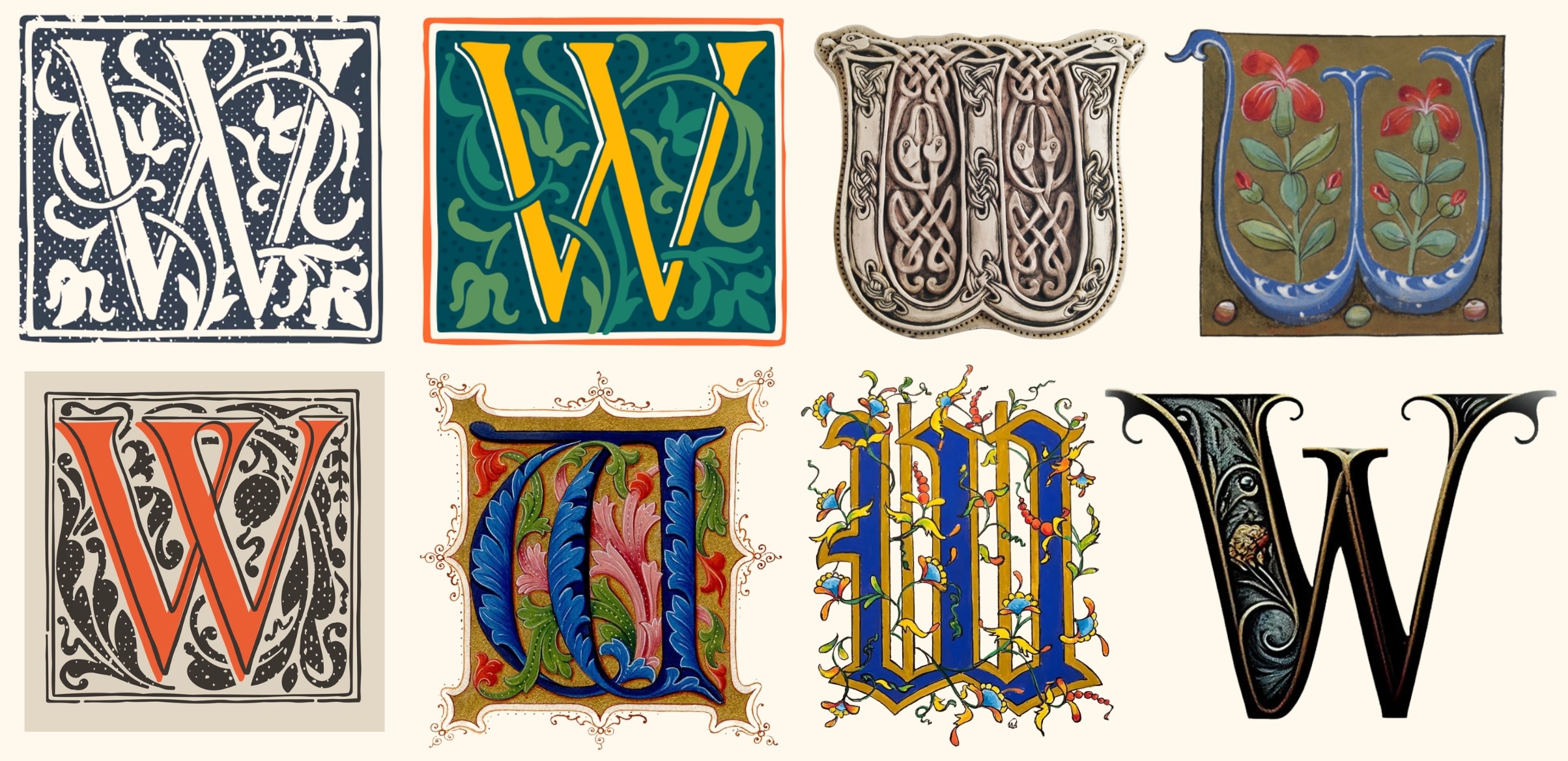 ↗
↗
Comments
This historical analysis reveals the evolution of the letter W and its significance in language development. Understanding the origins of letters can provide insights into how languages evolve and change over time, which is crucial for linguists and historians alike.
Written by elseif from the cluster below · every claim links back to a sourceThe three things worth knowing
The letter W emerged as a solution for spelling Germanic sounds in Latin texts.
It highlights the interaction between Latin-speaking scribes and Germanic rulers.
The adoption of W illustrates the complexities of linguistic adaptation in post-Roman Europe.
THE READ
What the cluster adds up to.
The article discusses the historical context of the letter W, tracing its roots to the collapse of the Roman Empire and the rise of Germanic kingdoms. As Latin-speaking scribes began to document names and terms from these new rulers, they encountered the Germanic /w/ sound, which lacked representation in the Latin alphabet.
The solution to this problem was the innovation of doubling the letter U to create W, effectively adapting the Latin script to accommodate the sounds of the emerging English language. This change reflects the blending of cultures and languages during a period of significant upheaval.
By understanding the creation of W, linguists can better appreciate the dynamics of language evolution during the transition from the classical world to the medieval period. This transition involved not just the adoption of new sounds but also the adaptation of existing writing systems to meet new linguistic needs.
The history of W serves as a reminder of the fluid nature of language and how necessity drives change. As societies evolve, their languages must adapt, leading to innovations like the letter W, which have lasting impacts on written communication.
This exploration emphasizes the importance of historical linguistics in tracing the development of language. It showcases how the interplay between different cultures and languages can result in significant linguistic shifts, which are critical for understanding modern language structures.
Written by elseif from the cluster below · checked for specifics the sources never containedTHE CLUSTER