TECH Signal 290
Amateur astronomer's find leads to confirmation of 390-million-year-old impact crater in Quebec
 ↗
↗
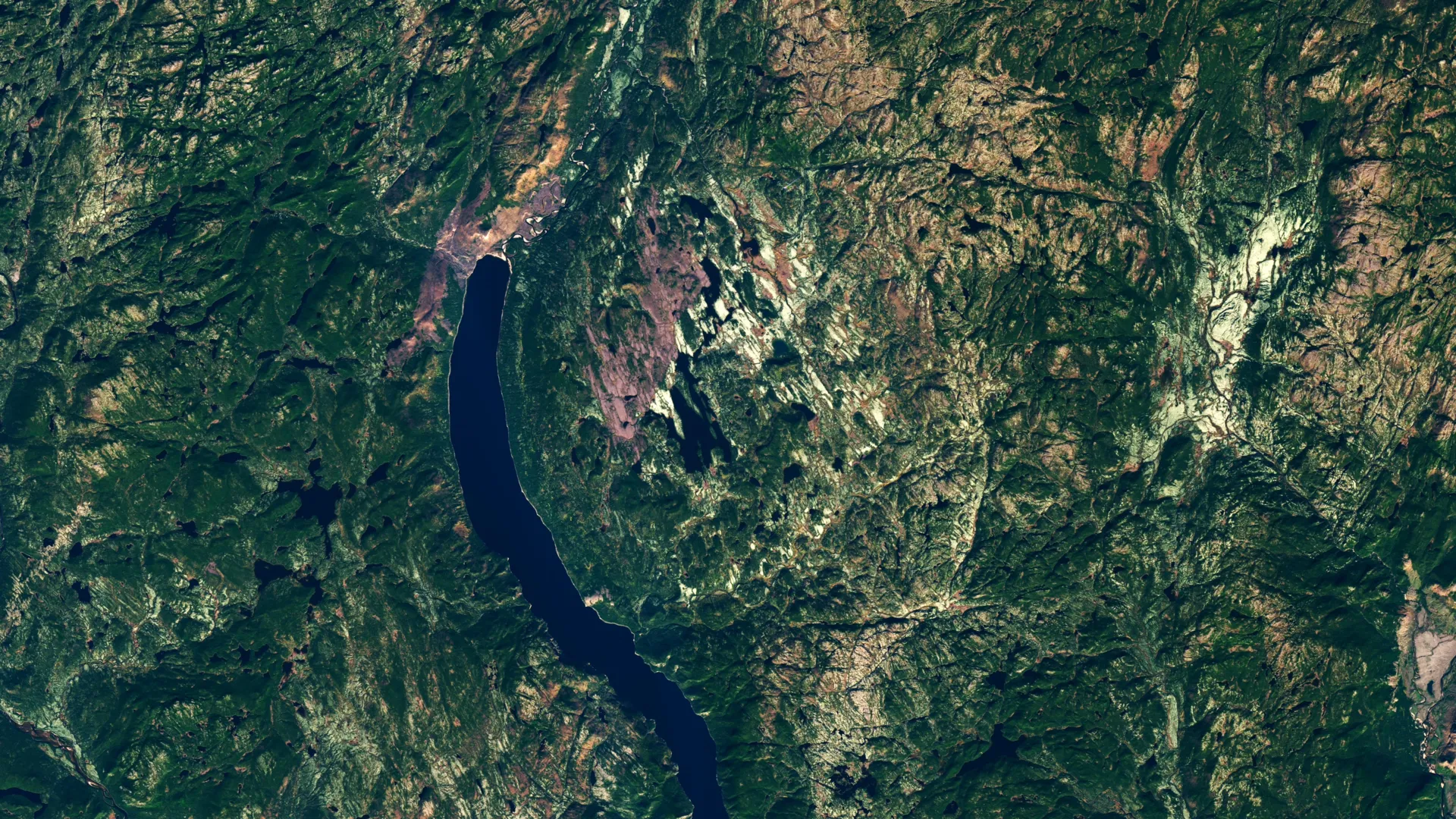
An amateur astronomer searching satellite maps for a Quebec camping spot accidentally discovered a massive ancient impact crater. Scientists later found shatter cones that confirmed the 25-kilometer-wide structure was blasted into Earth roughly 390 million years ago.
The discovery of the Uhackatik impact crater enhances our understanding of Earth's geological history and the frequency of celestial impacts. It underscores the potential for significant geological features to remain unidentified and highlights the importance of citizen science in contributing to scientific knowledge.
Written by elseif from the cluster below · every claim links back to a sourceThe three things worth knowing
The Uhackatik crater measures approximately 25 kilometers wide and is the largest impact structure discovered since 2018.
The crater was formed roughly 390 million years ago, predating a notable increase in cratering events associated with the asteroid belt.
Shatter cones found at the site provide definitive evidence of the crater's impact origin, challenging earlier geological interpretations.
THE READ
What the cluster adds up to.
The confirmation of the Uhackatik impact crater marks a significant addition to the known impact structures on Earth, which number around 200. This discovery was facilitated by an amateur astronomer, demonstrating how non-professionals can contribute valuable insights into scientific research.
The expedition to validate the crater's existence involved challenging logistics, including travel by floatplane and navigating difficult terrain. Such conditions highlight the practical challenges faced by researchers in remote locations, which can affect the pace and scope of geological studies.
The identification of shatter cones at the site is critical, as these structures are unique indicators of impact events. This finding not only confirms the crater's origin but also provides insights into the conditions and forces at play during the impact, enhancing our understanding of geological processes over millions of years.
Written by elseif from the cluster below · checked for specifics the sources never containedTHE CLUSTER