INFRA Signal 421
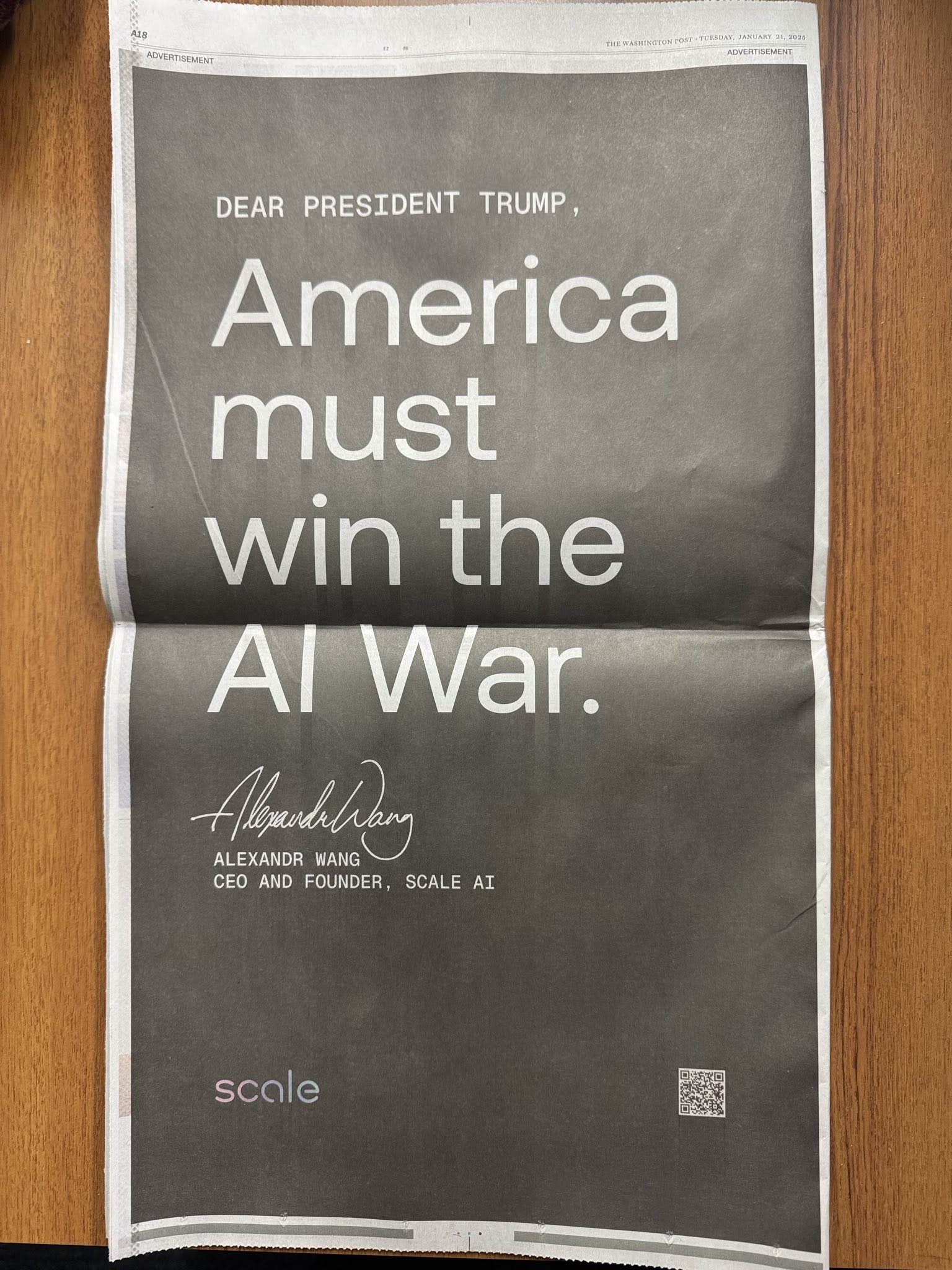
Discussions on Export Controls and AI Diplomacy Highlight Policy Disagreements
 ↗
↗
The U.S. and China recently held discussions on AI transparency but did not include export controls.
The exclusion of export controls from these discussions suggests a potential shift in U.S.-China relations regarding AI technology. If export controls are deemed less necessary, it could lead to increased collaboration or competition in AI development. This change may impact how engineers and companies approach their technology strategies in the context of international relations.
Written by elseif from the cluster below · every claim links back to a sourceThe three things worth knowing
Recent U.S.-China talks focused on AI transparency, omitting export controls.
The author argues that export controls may hinder rather than help U.S. AI development.
A potential shift towards a bilateral treaty could reshape AI policy and collaboration.
THE READ
What the cluster adds up to.
The recent discussions between U.S. and China signal a potential reevaluation of export controls on AI technology. By not including these controls in the negotiations, there may be an underlying acknowledgment that such restrictions could be counterproductive. This could lead to a more open exchange of technology between the two countries, fundamentally altering the landscape of AI development.
The argument laid out against export controls suggests that they may not effectively slow down China's AI progress. Instead, they might inadvertently accelerate U.S. advancements by concentrating resources domestically. Engineers need to consider how this potential policy shift could influence the availability of chips and other resources for AI projects in both countries.
The call for a bilateral treaty indicates a shift towards diplomacy over isolationist policies. This could encourage collaboration on safety and ethical standards in AI development, which would be beneficial for engineers working in this field. However, it also introduces uncertainty, as the balance of power and resources could shift based on new agreements.
If export controls are relaxed, companies operating in AI may need to prepare for increased competition, especially from Chinese firms. This could lead to a more aggressive pursuit of innovation as firms adapt to a rapidly changing market landscape. Engineers should be aware of how these dynamics could affect funding, project priorities, and overall strategic directions.
Ultimately, the discussions highlight a broader debate about the effectiveness of export controls in managing national security risks associated with AI. As the landscape evolves, engineers must remain vigilant and adaptable to policy changes that could influence their work and the technologies they develop.
Written by elseif from the cluster below · checked for specifics the sources never containedTHE CLUSTER