AI Signal 435
ZTE's AI-managed full-stack energy storage turns idle telecom backup batteries into grid-trading assets
 ↗
↗
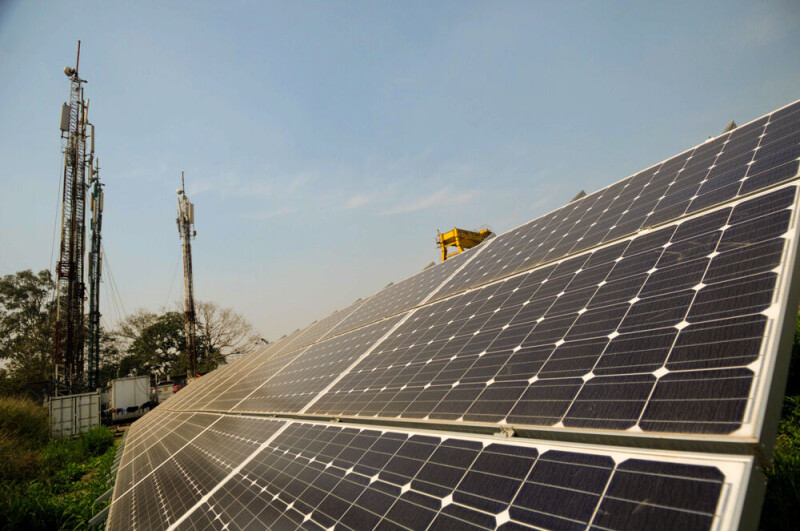
ZTE has built an integrated battery energy storage system with AI-driven energy management that optimizes charge and discharge strategies based on real-time electricity prices, aiming to convert idle telecom backup power into revenue-generating grid assets.
This is a single sponsored article with no independent corroboration, so the claims should be read as vendor marketing. The underlying tension is real, though: telecom and datacenter sites already own substantial backup energy storage that sits idle, while grid demand from AI workloads and electrification is surging. Whether a full-stack integrated approach meaningfully outperforms conventional multi-vendor assemblies in deployed practice is not established outside this vendor's own framing.
Written by elseif from the cluster below · every claim links back to a sourceThe three things worth knowing
ZTE's solution natively integrates battery cells, BMS, EMS, and PCS, contrasting with conventional multi-vendor assemblies that suffer from compounded energy losses and ambiguous accountability.
The 261 kWh cabinet BESS targets edge data centers and core sites, while the containerized BESS scales from tens to hundreds of MW for AI datacenters and grid-side storage.
An AI energy management system ingests real-time data including weather forecasts and electricity prices to optimize charge and discharge trading strategies through a virtual power plant model.
THE CLUSTER