TECH Signal 369
Reportedly error-riddled AI-generated bills overwhelm US House legislative review office
 ↗
↗
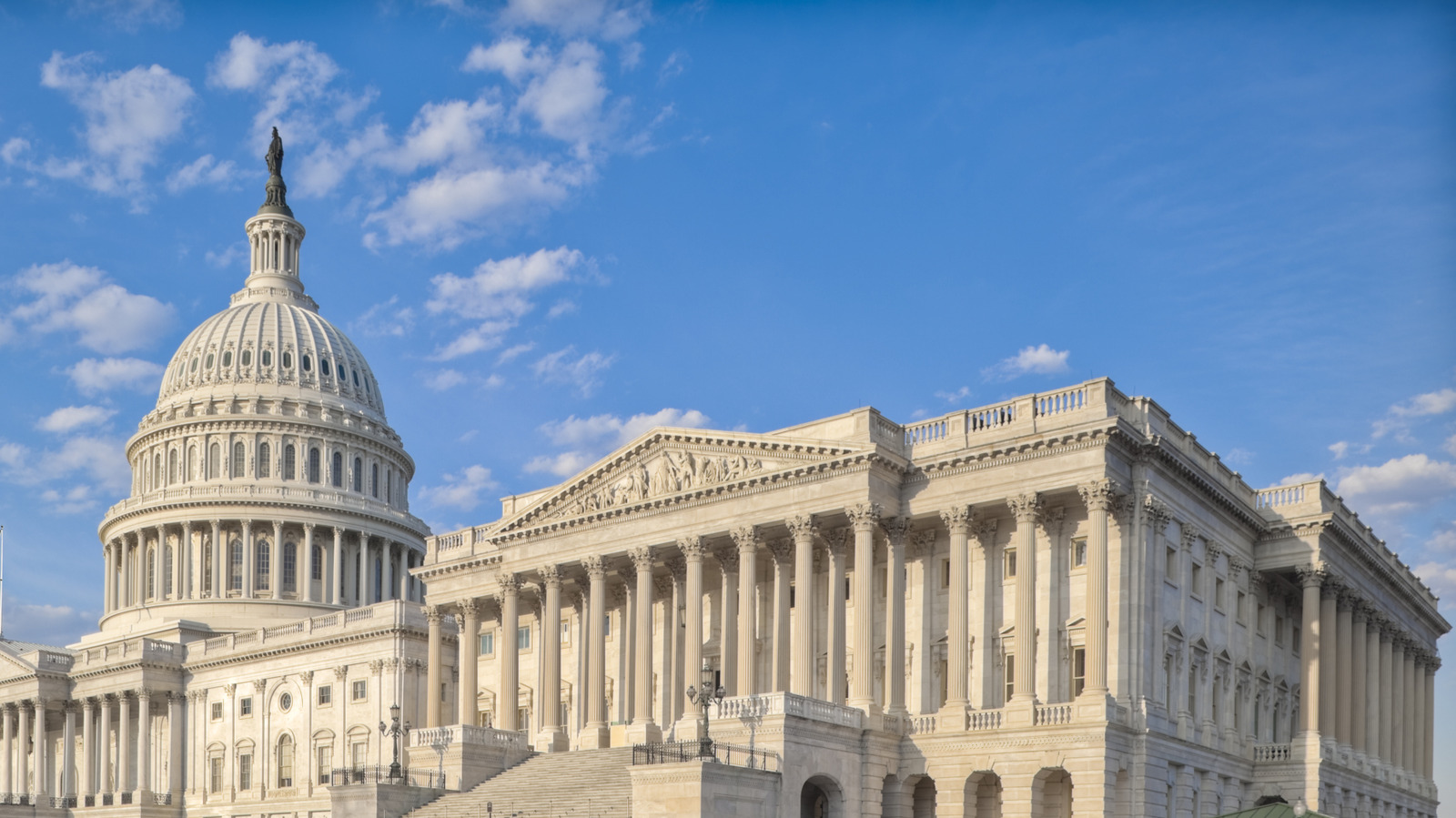
The US House Office of Legislative Counsel is spending excess time correcting AI-drafted bills containing wrong terms, citations, and exclusions
AI-generated legislative text introduces avoidable errors that increase review workload and risk misinterpretation of laws. Congressional staff may also lose deep issue familiarity when relying on automation. The office is now testing its own AI tool to mitigate these problems.
Written by elseif from the cluster below · every claim links back to a sourceThe three things worth knowing
AI-drafted bills contain incorrect citations, wrong terminology, and exclusions like omitting DC or tribal nations from federal programs
The House Office of Legislative Counsel spends more time fixing AI-generated bills than drafting them manually
Congressional staff using AI may lack deep understanding of their own legislative proposals
THE READ
What the cluster adds up to.
The US House Office of Legislative Counsel is reportedly receiving an increasing number of bills generated by publicly available AI tools. These drafts contain errors such as incorrect legal citations, wrong terminology, and oversights like excluding Washington DC or tribal nations from federal programs. The office is now spending more time reviewing and correcting these AI-generated bills than it would take to draft them from scratch manually.
The errors stem from AI's inability to grasp legal nuances or contextual details that significantly impact law interpretation and implementation. For example, AI may misclassify financial mechanisms or fail to account for all relevant jurisdictions. This creates additional work for legislative counsel lawyers, who must identify and fix these mistakes before bills can proceed.
Beyond technical errors, AI-generated bills may also reduce staff familiarity with legislative content. Since staffers are not forced to deeply research issues when using AI tools, they may lack comprehensive understanding of their own proposals. This could affect their ability to defend or explain the bills during subsequent legislative processes.
To address the growing workload, the Office of Legislative Counsel is developing its own AI tool called Comparative Print Suite. Unlike general AI tools, this system is designed to avoid hallucinations by returning errors when it cannot determine where proposed changes should be applied. This suggests a shift toward specialized AI tools tailored for legislative drafting rather than reliance on general-purpose AI.
Written by elseif from the cluster below · checked for specifics the sources never containedTHE CLUSTER