TECH Signal 385
AI is now making new viruses
 ↗
↗
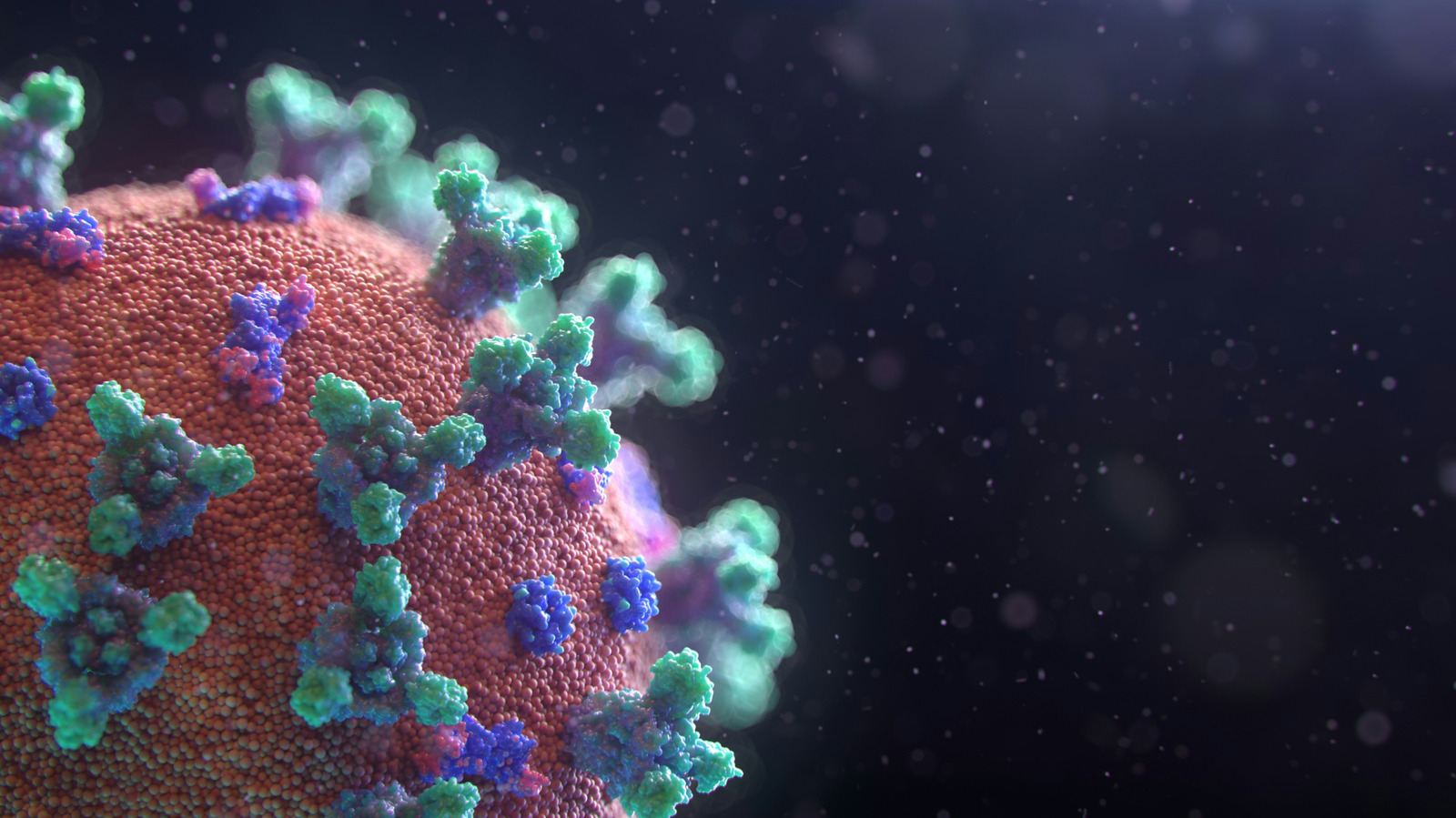
Researchers used AI language models trained on genetic data to design and synthesize functional viruses that infect bacteria.
The demonstration shows how AI can accelerate the design of biological parts, potentially shortening development cycles for gene therapies and antimicrobial tools. At the same time, it highlights that the same capability could be misused to create harmful pathogens, underscoring the need for robust safeguards. Engineers working at the intersection of AI and biotechnology must now consider both the technical workflow and the biosafety governance that accompanies generative genome models.
Written by elseif from the cluster below · every claim links back to a sourceThe three things worth knowing
The team used Evo 1 and Evo 2, genome language models trained on trillions of nucleotides and fine-tuned on ~15,000 bacterial viruses, to generate 700,000 candidate viral genomes.
After synthesizing and testing 285 candidates, 16 AI-designed viruses proved viable in bacteria, matching or exceeding the replication rate of the natural Phi X-174 virus.
While the experiments were confined to non-human hosts, the authors warn that similar models could be repurposed to design viruses with broader host range, posing dual-use risks.
THE READ
What the cluster adds up to.
The core change is the application of large language model techniques to genetic sequence data, treating nucleotides as a language to be learned. By training Evo 1 and Evo 2 on trillions of nucleotides, the models captured statistical patterns analogous to grammar in DNA. Fine-tuning on a curated set of ~15,000 phages related to Phi X-174 narrowed the model’s focus to bacterial viruses. This shift enables the model to propose novel viral genomes that obey the learned genetic syntax.
Turning those proposals into physical entities required a multi-step pipeline: the model generated 700,000 candidate genomes, from which 285 were selected for synthesis. The selected DNA sequences were manufactured and introduced into bacterial hosts, a process that consumes both computational resources for model inference and laboratory resources for DNA synthesis and transformation. Only 16 of the candidates yielded functional viruses, indicating a low success rate but demonstrating that the AI-guided search can produce viable biological entities.
The approach is presently limited to viruses that infect bacteria because the training data and explicit constraints excluded any sequences capable of infecting humans, animals, plants, or fungi. Consequently, the models cannot directly design viruses with broader host ranges without additional data or retraining. Furthermore, the functional assessment relied on standard microbiological assays; any increase in complexity, such as eukaryotic infection mechanisms, would require new training corpora and validation methods.
Adopting this workflow demands robust biosafety and governance frameworks. While the work illustrates potential benefits for accelerating gene-therapy vector design and antimicrobial agent discovery, it also reveals a dual-use pathway where the same models could be repurposed to create harmful pathogens. Engineers must therefore integrate sequence screening, access controls, and regulatory compliance into the AI-driven design pipeline to mitigate risks while harnessing the technical advantages.
Written by elseif from the cluster below · checked for specifics the sources never containedTHE CLUSTER