TECH Signal 395
Surging AI server exports fund Taiwan's $314 per resident cash dividend
 ↗
↗
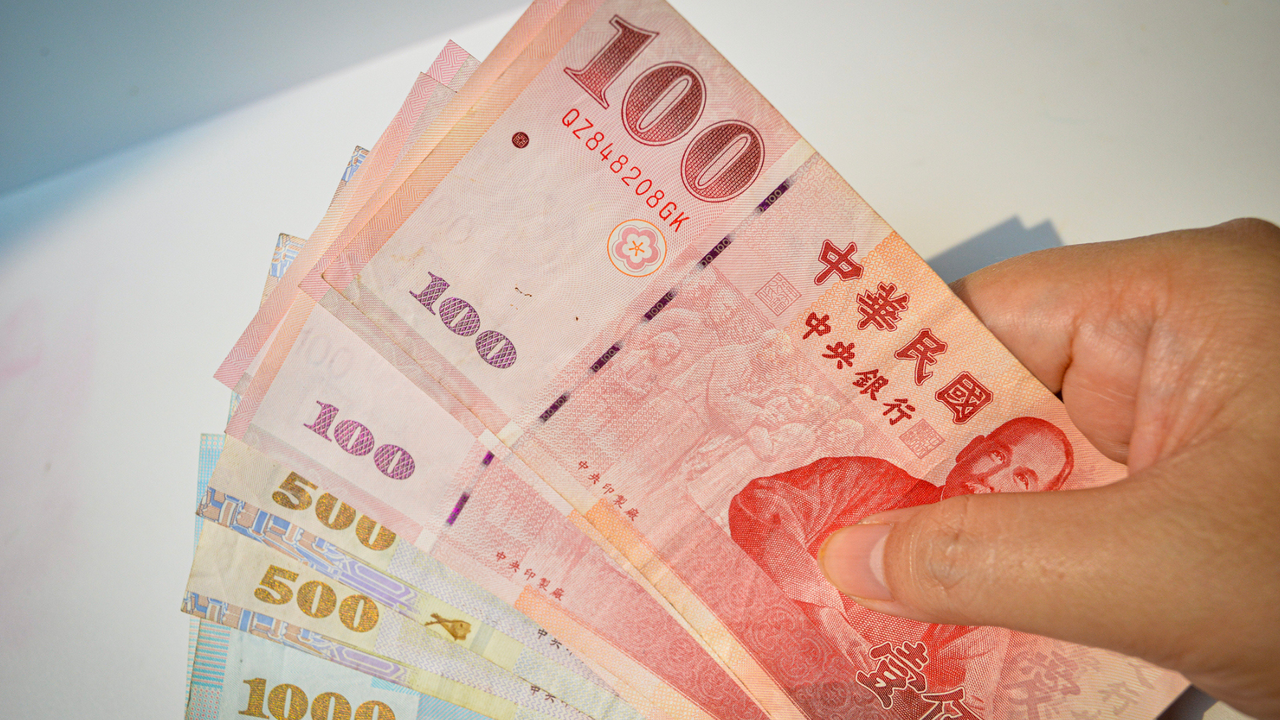
Taiwan is distributing a $314 cash payment to every resident in 2027, funded entirely by surging tax revenues from its dominant AI server manufacturing sector.
The sheer scale of Taiwan's AI hardware revenue is now directly subsidizing the broader civilian economy, highlighting how concentrated the global AI supply chain remains. For engineers, this underscores that any disruption to Taiwan's server manufacturing would have macro-economic consequences far beyond the tech sector.
Written by elseif from the cluster below · every claim links back to a sourceThe three things worth knowing
President Lai Ching-te announced a $7.4 billion budget for a $314 cash payout to every resident next year.
AI servers and related goods now account for almost 40% of Taiwan's exports, up from 30% in 2025.
The opposition Kuomintang is demanding the payment be doubled to NT$20,000, creating potential legislative friction.
THE READ
What the cluster adds up to.
Taiwan's government has structured a $7.4 billion universal cash payout as a direct dividend from its AI hardware boom, shifting the framing from previous inflation relief payments to an explicit tech-wealth redistribution. President Lai Ching-te stated the $314 per person payment ensures the AI windfall "can be shared by all," funded by projected 2027 general revenue of NT$3.93 trillion without new borrowing. This policy links civilian welfare directly to the export performance of AI servers and rack-scale systems built by manufacturers like Foxconn, Quanta, and Wistron.
The financial capacity for this dividend stems from an unprecedented concentration of AI hardware production in Taiwan, where servers and related goods now represent almost 40% of exports, up from 30% in 2025. The DGBAS raised its 2026 GDP growth forecast to 11.05%, driven by a 41.19% jump in merchandise exports expected to reach $903.6 billion this year. TSMC alone represents about 40% of the Taiwanese stock market, which recently overtook the UK's in total value, illustrating the massive capital flowing through the island's tech sector.
The dividend highlights a stark divide within Taiwan's economy, as the boom has not reached workers in services, traditional industries, and small businesses outside the tech sector. Non-tech exports rose just 8.6% in the first seven months of the year, a fraction of the overall growth rate, validating the government's concern over uneven wealth distribution. The payout attempts to bridge this gap, but the policy faces legislative hurdles, as the opposition Kuomintang controls the legislature and is demanding the payment be doubled to NT$20,000.
Funding a national dividend on hardware exports ties the broader population's fiscal benefit directly to the volatile global demand for AI infrastructure. While the 2027 budget requires "effectively no new borrowing," a downturn in high-performance computing or cloud services demand could eliminate the surplus funding this payout. Furthermore, the legislature recently cut NT$48 billion from the Cabinet's 2026 budget proposal after a record delay, indicating that the final approval and amount of the 2027 AI dividend are far from guaranteed.
Written by elseif from the cluster below · checked for specifics the sources never containedTHE CLUSTER