TECH Signal 391
German consumer group exposes Epicooler air conditioner as a PC fan with heating element
 ↗
↗
Stiftung Warentest dismantled an Epicooler 'air conditioner' and found only a PC fan and a small heating coil inside
Engineers need to recognize that low-cost, high-claim cooling devices may lack core components like compressors. Misleading hardware can waste resources and damage trust in legitimate cooling solutions. Regulatory gaps in direct-from-China sales complicate consumer protection.
Written by elseif from the cluster below · every claim links back to a sourceThe three things worth knowing
The Epicooler device contains no compressor or refrigerant system, only a PC fan and heating element
Stiftung Warentest found the unit ineffective for cooling and potentially hazardous when heating
The product is marketed aggressively online at a fraction of the price of real air conditioners
THE READ
What the cluster adds up to.
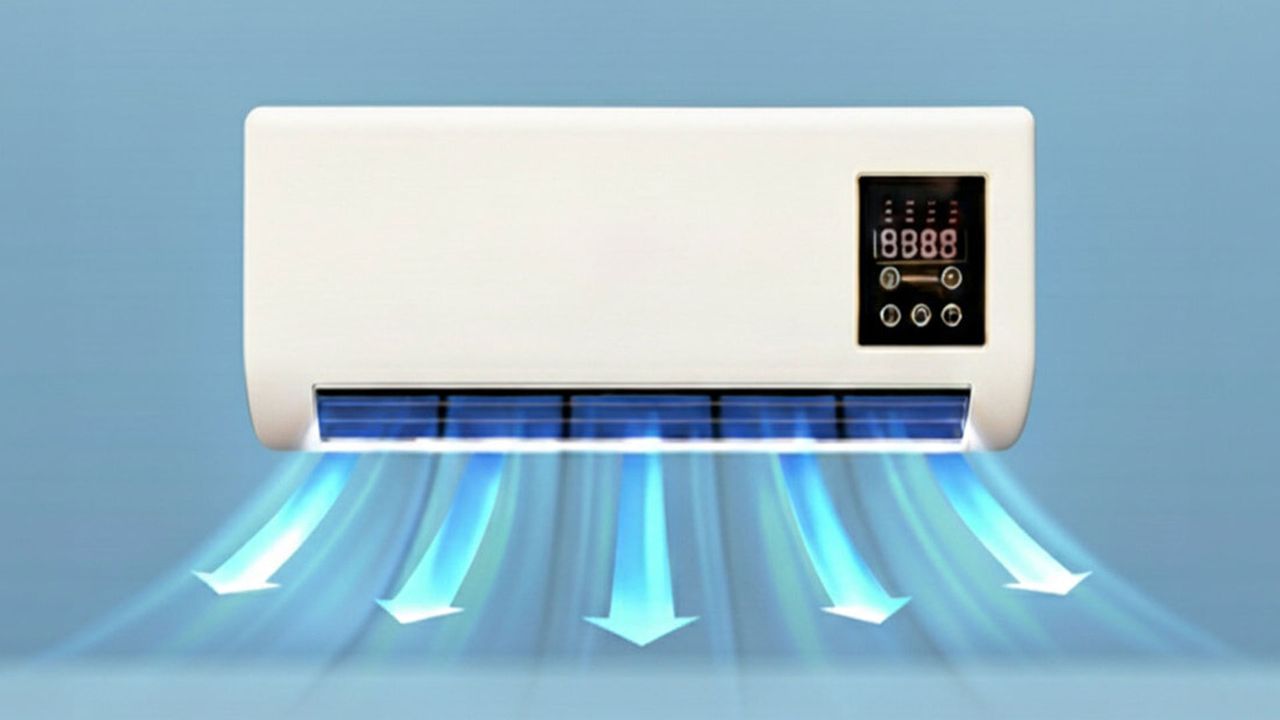
The Epicooler device marketed as an air conditioner was dismantled by Germany’s Stiftung Warentest. Inside they found only a standard PC fan and a small heating coil. No compressor, condenser, or refrigerant circuit was present. This explains why the unit failed to lower room temperature in tests. The absence of core cooling components makes the device incapable of actual air conditioning.
The product’s low weight, under 3 kg, contrasts sharply with genuine air conditioners, which typically weigh over 10 kg for the indoor unit alone. A sticker on the Epicooler even labeled it a 'Wall Mounted Heater.' When operated in heating mode, the device became dangerously hot. Stiftung Warentest had to switch it off to avoid overheating. This raises safety concerns beyond mere ineffectiveness.
Epicooler sells the device for around €163, far below the cost of real air conditioners. Stiftung Warentest noted that high-quality fans cost half as much. The product is shipped directly from China, even when local stock is advertised. This shipping method may help the company evade local consumer protection laws. The operation appears designed to dissolve and rebrand quickly if regulators intervene.
The device is promoted through AI-generated videos and social media ads, targeting consumers during heatwaves. Its appearance mimics real air conditioners, misleading buyers. Stiftung Warentest’s exposure highlights the risks of unverified online purchases. Engineers should be cautious of hardware that promises performance without the expected components or weight. Regulatory oversight remains weak for direct-from-China sales.
Written by elseif from the cluster below · checked for specifics the sources never containedTHE CLUSTER