TECH Signal 542
AI's debt binge can't last, hidden borrowing reaches $1.65T
 ↗
↗
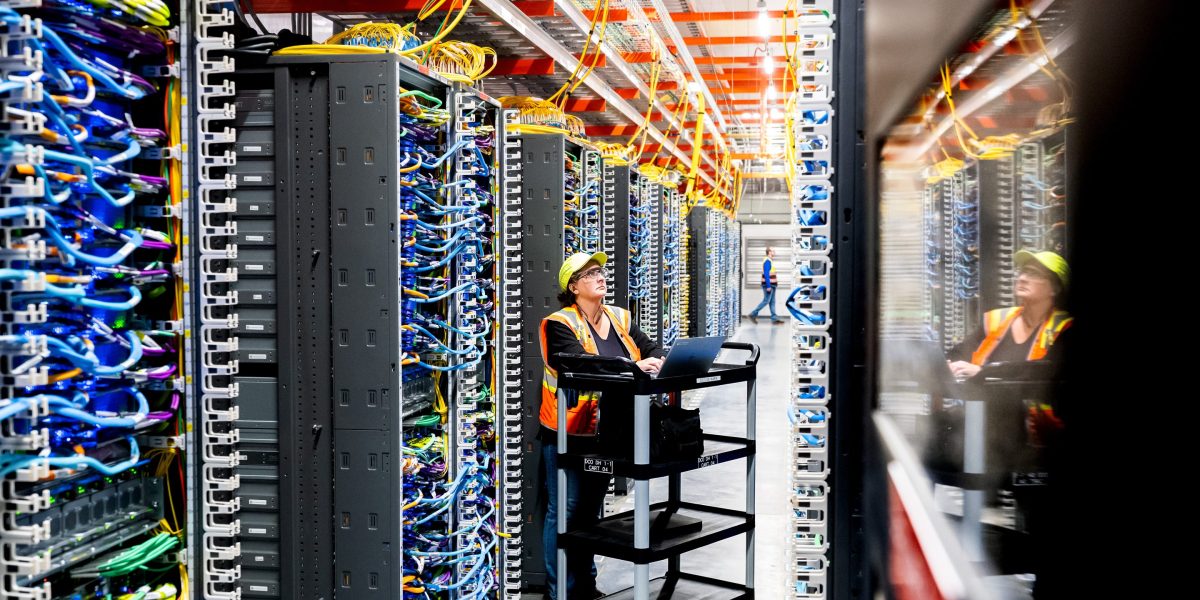
Engineers building or operating AI infrastructure will face higher financing costs as lenders demand a premium for the growing leverage. The shift from asset‑light to asset‑heavy models means more capital‑intensive projects, longer‑term rent or lease obligations, and potential constraints on future spending if debt markets tighten. Monitoring these financing trends helps anticipate changes in hardware availability, data‑center expansion, and operational budgets.
Written by elseif from the cluster below · every claim links back to a sourceThe three things worth knowing
Visible bond issuance by U.S. tech hyperscalers and related entities reached $225 billion in the first half of 2026, on track for a full‑year total near $400 billion.
Off‑balance‑sheet or "hidden" debt at the five largest U.S. tech firms has grown eight‑fold over four years to $1.65 trillion, largely from long‑term GPU purchase agreements and data‑center leases.
Rating agencies warn that the surge in leverage is raising borrowing costs and that, while current balance sheets remain strong, continued debt expansion could eventually limit the companies’ ability to fund new AI infrastructure.
THE CLUSTER