INFRA Signal 267
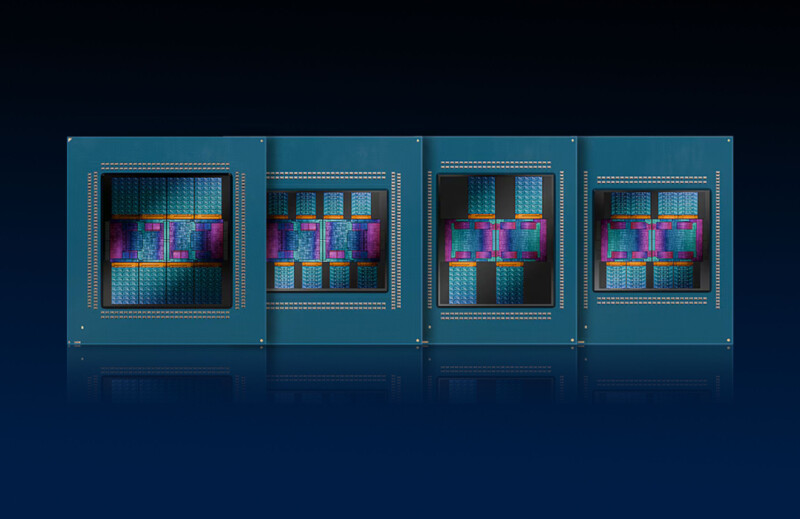
AMD's Venice Epyc chip features up to 256 cores and 16 DDR5 channels
 ↗
↗
16 channels of DDR5, 5 GHz clock speeds, and support for CXL 3.1 memory god boxes? What's not to like?
AMD's Venice Epyc represents a significant evolution in CPU architecture, particularly with its increased core counts and memory capabilities. The introduction of 256-core configurations and enhanced cache hierarchies could influence performance in data-intensive applications and cloud computing environments.
Written by elseif from the cluster below · every claim links back to a sourceThe three things worth knowing
The Venice Epyc chip supports up to 256 cores and 16 channels of DDR5 memory.
It includes a new cache hierarchy that optimizes performance across different core configurations.
AMD's architecture aims to compete with high-performance competitors in the CPU market.
THE READ
What the cluster adds up to.
AMD's Venice Epyc chip introduces a significant upgrade with its 256-core capability, allowing for improved parallel processing in data centers and enterprise applications. The architecture also incorporates 16 channels of DDR5, which can enhance memory bandwidth and reduce latency, crucial for performance-intensive workloads.
The chip's design features two distinct types: density-optimized and frequency-optimized, catering to different market needs. The density-optimized version focuses on maximizing core counts while the frequency-optimized variant aims for higher clock speeds, giving users options depending on their specific performance requirements.
A notable enhancement in this generation is the improved cache hierarchy. The increase to 128 MB of shared L3 cache per chip and the uniformity in cache allocation across core types can lead to more efficient data access, which is vital for applications that require quick data retrieval and processing.
Despite the advancements, the Venice Epyc chip's performance will depend on the software and workloads it runs, particularly those designed to leverage such high core counts and advanced memory configurations. Applications in AI, HPC, and cloud services will benefit the most, but traditional workloads may not see the same level of improvement.
In summary, while the Venice Epyc chip promises significant advancements, the adoption cost and potential expertise required to optimize existing infrastructures for such technology should be carefully considered. Organizations may need to evaluate their current systems to fully leverage the benefits of this new architecture.
Written by elseif from the cluster below · checked for specifics the sources never containedTHE CLUSTER