TECH Signal 442
Raymond Chen recounts how stickered Tetris boxes and shirtless-baby Windows 95 holograms became Microsoft rarities
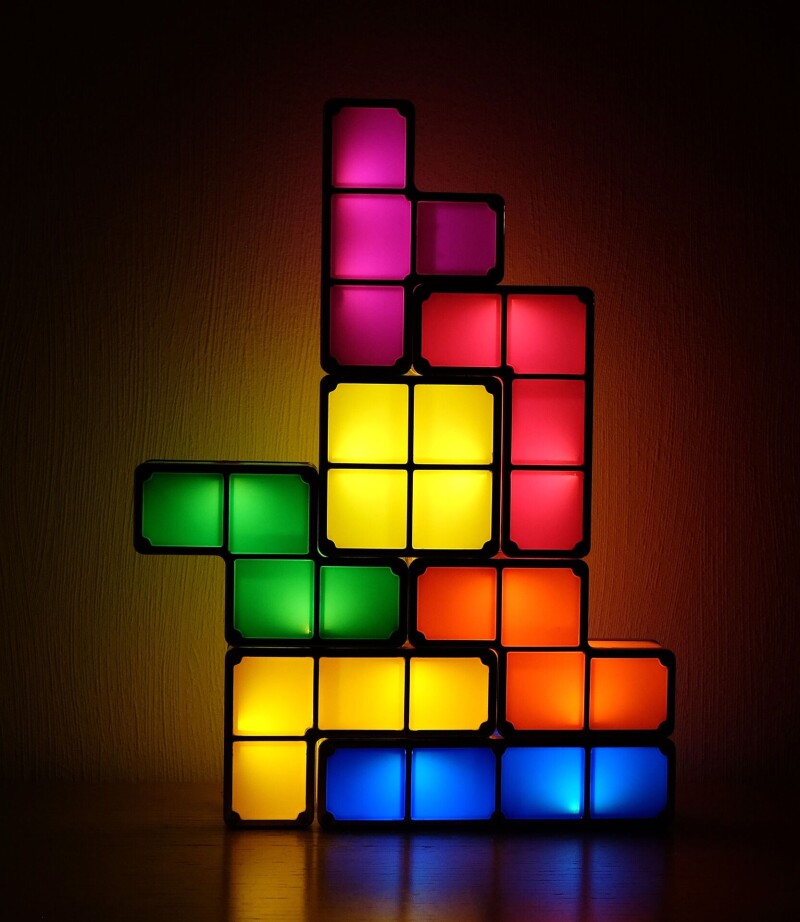 ↗
↗
A blog post by veteran Microsoft engineer Raymond Chen explains why two early physical products, a stickered Tetris promotion on the Microsoft Entertainment Pack for Windows and a shirtless-baby anti-piracy hologram on Windows 95, are now treated as accidental collectibles.
For practising engineers, the post is a reminder that physical-product pipelines intersect with licensing and marketing review in ways that can leave a permanent tail of one-off units long after the software they shipped with has been retired. There is no new tool, version, or platform to adopt here; the value is in seeing how a 1990s Microsoft team shipped around an unfinished Tetris licence and how a hologram design ended up triggering an in-production re-spin. The article is also a useful illustration of how decisions that look small at print time, sticker versus printed artwork, clothed versus unclothed mascot, become part of a product's historical footprint.
Written by elseif from the cluster below · every claim links back to a sourceThe three things worth knowing
Chen's Old New Thing blog post explains that the first run of Microsoft Entertainment Pack for Windows boxes shipped with a sticker promoting Tetris because the licence deal had not closed in time for printing.
The same post recounts that Windows 95's original anti-piracy hologram depicted a shirtless child, which Microsoft later replaced with a clothed version after complaints, leaving any unaltered boxes in circulation as one-off units.
Both items, sticker-only Entertainment Pack boxes and unaltered Windows 95 holograms, are now framed as rare collectibles rather than as functional software, and the source for the framing is a single Register piece summarising Chen's blog post.
THE CLUSTER