TECH Signal 311
Animals across multiple phyla produce enzymes that degrade microbial PHAs
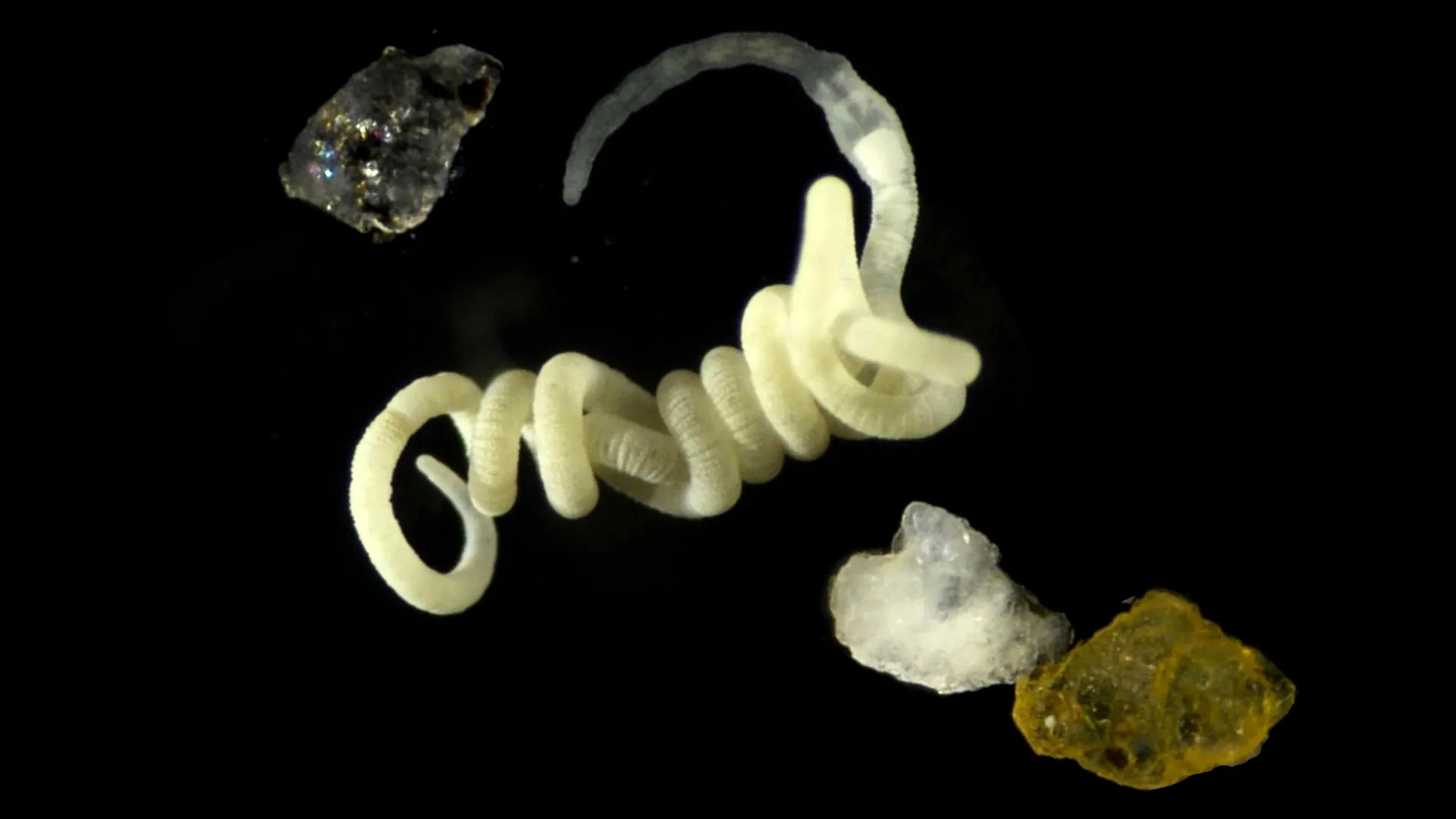 ↗
↗
Engineers designing biodegradable products now know that animal enzymes can break down PHAs, affecting end-of-life scenarios
The discovery reveals a previously unknown pathway for carbon stored in microbial bioplastics to enter animal food webs, reshaping views on natural plastic degradation. It shows that the ability to degrade PHAs is widespread across animal lineages, not limited to microbes. This insight can inform the design of truly biodegradable materials and waste management strategies.
Written by elseif from the cluster below · every claim links back to a sourceThe three things worth knowing
Researchers identified PHA-degrading enzymes in more than 66 animal species spanning nine different phyla.
The enzymes were found in diverse animals such as marine worms, starfish, earthworms, sponges, and springtails.
Laboratory tests confirmed that these animal enzymes can break down microbial PHAs into usable smaller molecules.
THE READ
What the cluster adds up to.
The study shifts the understanding of PHA degradation from a microbial-only process to one that includes animal metabolism. Previously, scientists assumed only microorganisms could break down these bioplastics, which influenced models of carbon cycling in ecosystems. Now, the presence of animal enzymes suggests that carbon stored in PHAs can be transferred directly to higher trophic levels.
For engineers working on biodegradable plastics, this means that product lifespan predictions must consider animal activity in addition to microbial action. Environments with high animal density, such as soil or marine sediments, may experience faster PHA breakdown than predicted by microbe-only models. This could affect the design of items like agricultural mulch films or medical implants where controlled degradation is desired.
However, the practical impact depends on the concentration and activity of the enzymes in vivo, which the study did not quantify. The research shows enzymatic capability in extracted samples, but actual degradation rates in natural settings remain uncertain. Therefore, while the discovery opens new avenues for material design, it does not yet provide a definitive rule for predicting product lifespan in all environments.
Written by elseif from the cluster below · checked for specifics the sources never containedTHE CLUSTER