TECH Signal 532 2 feeds carried it
Apple reportedly seeks publisher content deals to improve Siri AI responses
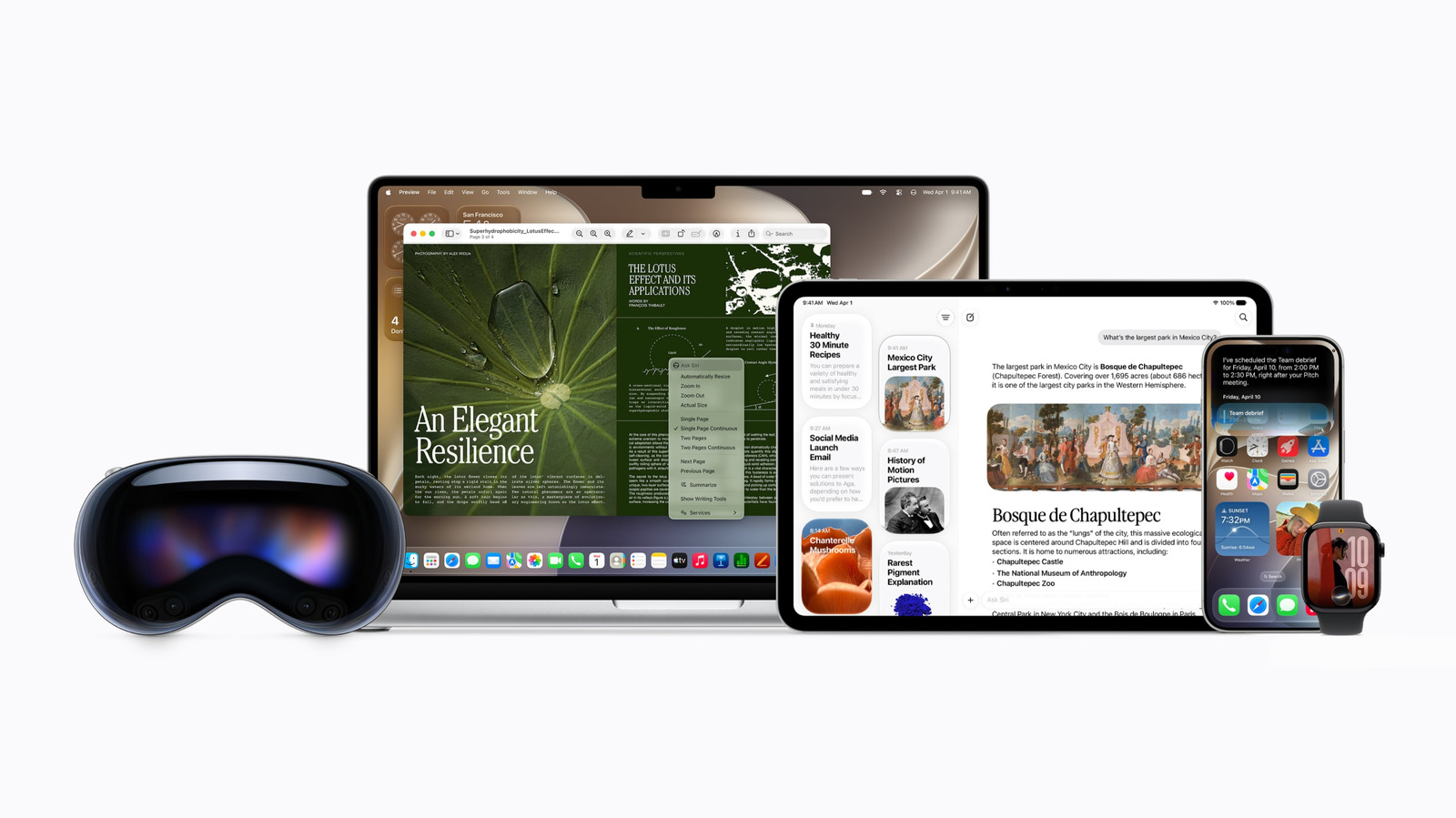 ↗
↗
Apple is negotiating multi-year agreements with news publishers to license content for Siri AI training and real-time responses.
These deals could expand Siri AI’s knowledge base beyond public datasets, improving accuracy for news-related queries. However, reliance on licensed content may limit scalability if publishers demand high fees or restrict usage.
Written by elseif from the cluster below · every claim links back to a sourceThe three things worth knowing
Apple is proposing variable compensation to publishers based on content usage rather than fixed fees.
The company previously secured AI training rights from publishers under different terms.
Siri AI’s public release is expected later this year with iOS 27.
THE READ
What the cluster adds up to.
Apple’s reported outreach to publishers signals a shift in how it sources data for Siri AI. Unlike competitors that rely on broad, upfront licensing deals, Apple is proposing a usage-based payment model. This could reduce initial costs but introduces variability in long-term expenses, depending on how often publisher content is surfaced in responses. The approach may also create incentives for publishers to optimize content for Siri’s algorithms, though it remains unclear how Apple will measure usage or ensure fair compensation.
The move reflects Apple’s broader challenge in catching up to rivals in AI-driven assistants. While Siri AI has shown improvements in early testing, its reliance on licensed content suggests gaps in its ability to generate high-quality responses from public or synthetic datasets alone. Publishers may see this as an opportunity to monetize their archives, but the variable payment structure could lead to disputes if usage metrics are opaque or inconsistent. Apple’s past deals for training data indicate it has experience negotiating with publishers, but real-time content integration is a more complex proposition.
For engineers, the implications depend on how Apple integrates publisher content into Siri’s architecture. If responses are dynamically pulled from licensed sources, latency and reliability could become concerns, especially for time-sensitive queries. The variable payment model may also require additional infrastructure to track and attribute content usage, adding overhead to Siri’s backend systems. Without details on which publishers are involved or how content will be prioritized, it’s difficult to assess whether this strategy will meaningfully close the gap with competitors like Google Assistant or Amazon Alexa.
Written by elseif from the cluster below · checked for specifics the sources never containedTHE CLUSTER