TECH Signal 413
iPhone Duo apps require iOS 27 recompile, risking black bars for developers
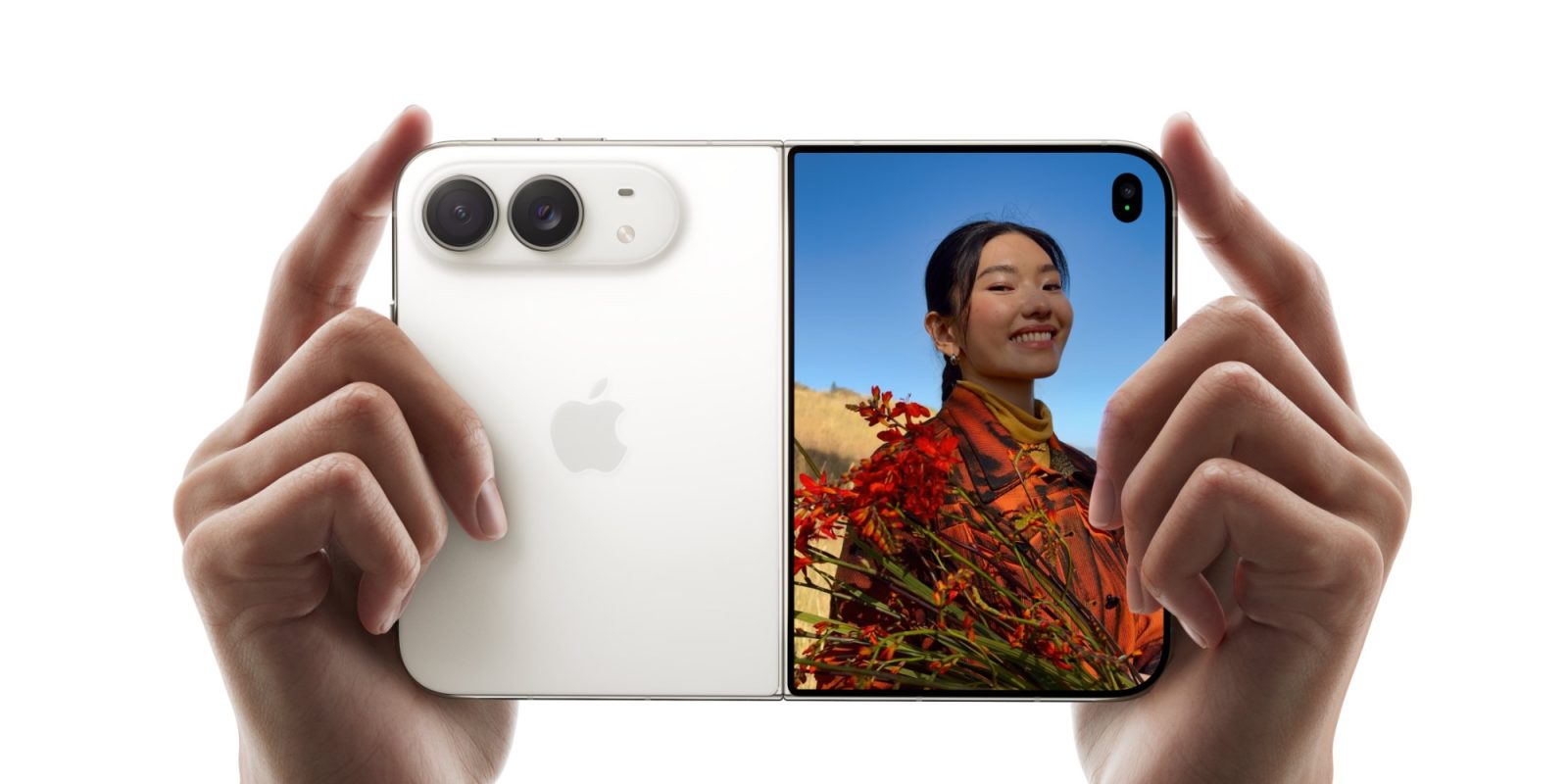 ↗
↗
Apple requires apps to be recompiled for iOS 27.0 to use the iPhone Duo's inner display, with iOS 27.1 needed for new UI components, creating a potential gap in app support.
Developers face a forced migration to iOS 27, which also mandates support for Liquid Glass, potentially delaying Duo-specific updates. Users may encounter apps with black bars or limited functionality on the larger screen if developers delay recompilation.
Written by elseif from the cluster below · every claim links back to a sourceThe three things worth knowing
Apps must be recompiled for iOS 27.0 to utilize the iPhone Duo's larger inner display.
Using the Duo's unique tab bar and UI components requires iOS 27.1.
The lack of an iPad compatibility layer means unsupported apps may display with black bars.
THE READ
What the cluster adds up to.
Apple has chosen a strict native approach for the iPhone Duo, requiring all apps to be recompiled for iOS 27.0 to access the larger inner display. This decision rejects a potential compatibility layer that would have allowed resizable iPad binaries to run on the device. The trade-off is a cleaner, more intuitive interface that distinguishes the Duo from Android foldables, but it places the burden of adaptation entirely on third-party developers.
The requirement to target iOS 27.1 for specific UI components like the new tab bar adds another layer of complexity for developers. This versioning strategy means that even if an app is updated for the base display size, it may lack the full interface experience until a subsequent update is deployed. For developers who have not yet prepared for the broader iOS 27 changes, this creates a significant hurdle to immediate full support.
A major friction point is that compiling for iOS 27 removes the option to opt out of supporting Liquid Glass. Developers who are hesitant to adopt this new design language may delay their iPhone Duo updates, leading to a period where many apps do not fully utilize the hardware. This coupling of UI design mandates with hardware support could slow down the ecosystem's adaptation to the new form factor.
The practical consequence for users is that unsupported apps may appear with black bars on the inner display, particularly affecting mobile gaming where a full-screen experience is critical. While split-screen functionality might mitigate this for productivity apps, the lack of native full-screen support remains a significant deterrent for entertainment use cases. Apple may eventually introduce an iPad compatibility mode in iOS 28 to address these gaps, but the initial launch experience relies heavily on developer responsiveness.
The strategy represents a calculated risk by Apple, betting that the quality of the native interface will incentivize developers to prioritize recompilation. If developers drag their feet due to the combined workload of Liquid Glass and Duo support, the device's unique selling point may be undermined by a fragmented app experience. The success of this approach will depend on how quickly the developer community adapts to the new requirements in the months following launch.
Written by elseif from the cluster below · checked for specifics the sources never containedTHE CLUSTER