TECH Signal 209
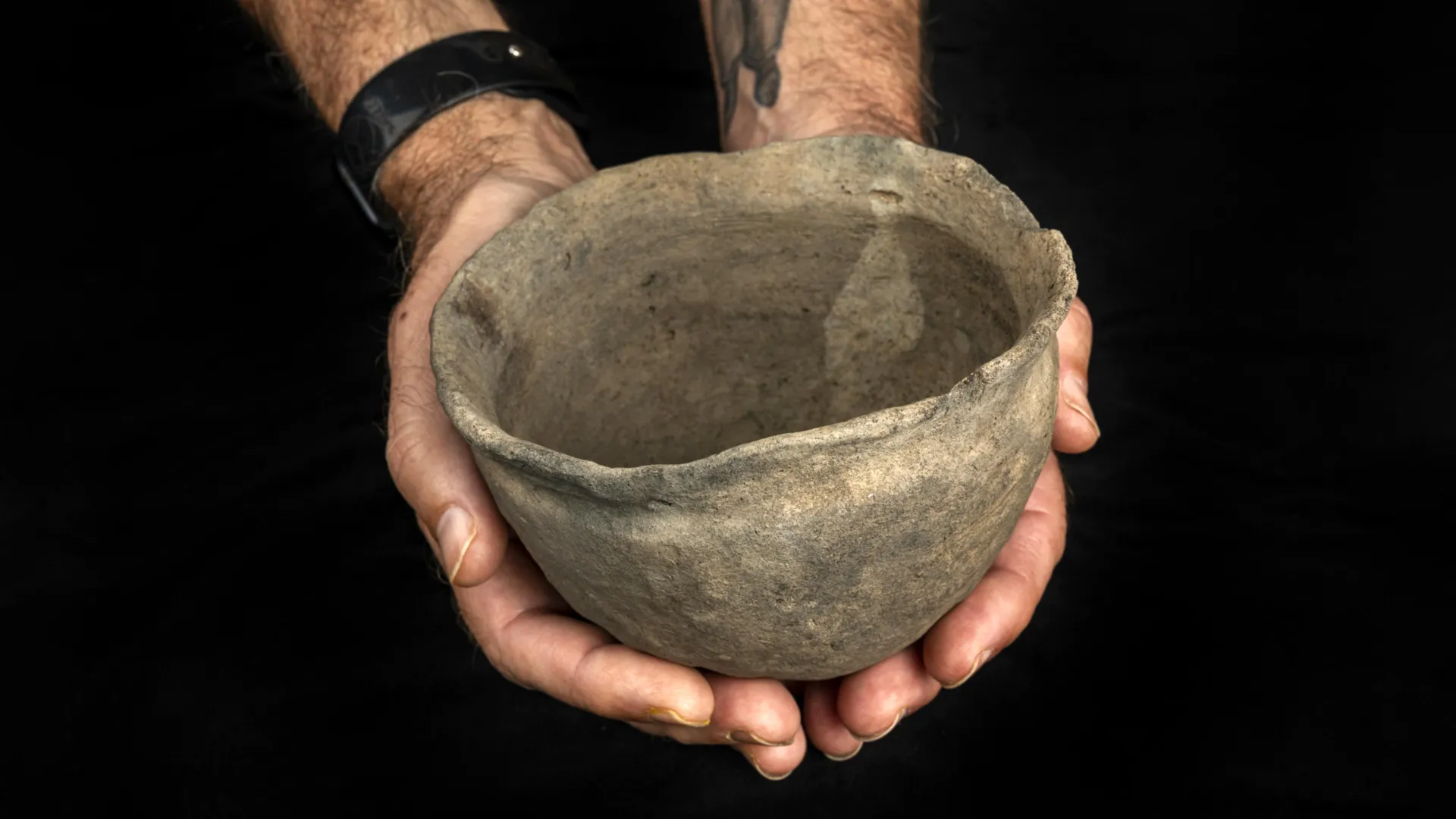
Archaeologists reportedly uncover intact 400-year-old Indigenous pot in Florida mission site
 ↗
↗
A fully preserved clay vessel from a 17th-century Potano-Timucua village was excavated, defying typical finds of broken artifacts.
This discovery is not directly relevant to engineering practice. The event provides archaeological context for historical site analysis but does not introduce technical methods, tools, or implications for software or systems development. If the excavation techniques or preservation methods were novel, those details might matter, but the material does not describe them.
Written by elseif from the cluster below · every claim links back to a sourceThe three things worth knowing
The pot is unusually intact, contrasting with most recovered artifacts which are fragmented.
It was found in a Spanish mission site linked to Indigenous Potano-Timucua communities in 17th-century Florida.
Archaeologists are investigating why a usable object was deliberately buried rather than reused or discarded broken
THE READ
What the cluster adds up to.
A small, undecorated clay pot was excavated in full form from a historic site in Florida. Most artifacts recovered from terrestrial archaeological sites are broken fragments, making this discovery notable for its preservation. The pot’s intact state suggests it was intentionally placed underground, rather than lost or discarded after use. Its location within a Spanish-built structure at the Mission San Francisco de Potano site adds to the mystery, as the function of that structure remains unidentified.
The pot was found during a student field course led by archaeologists from the Florida Museum of Natural History. The excavation site, a former mission and Indigenous village, has yielded over 7,000 artifacts since 2006, primarily Native American pottery shards. The intact vessel stands out among these fragments, which typically result from centuries of soil movement, human activity, and environmental pressure. Its survival challenges assumptions about how usable objects were treated in the past.
Archaeologists are now focused on contextual clues rather than the pot itself. The vessel’s placement within a specific structure and its association with other artifacts may help reconstruct daily life at the mission. Historical records indicate the site was abandoned in 1706, but the pot’s burial predates that event. Without additional excavation, the reasons for its abandonment, and its original use, remain speculative. The discovery underscores how isolated intact objects can complicate, rather than clarify, historical narratives.
Written by elseif from the cluster below · checked for specifics the sources never containedTHE CLUSTER