TECH Signal 362
Digital cameras still surpass smartphones for sensor size and manual control despite higher cost and workflow overhead
 ↗
↗
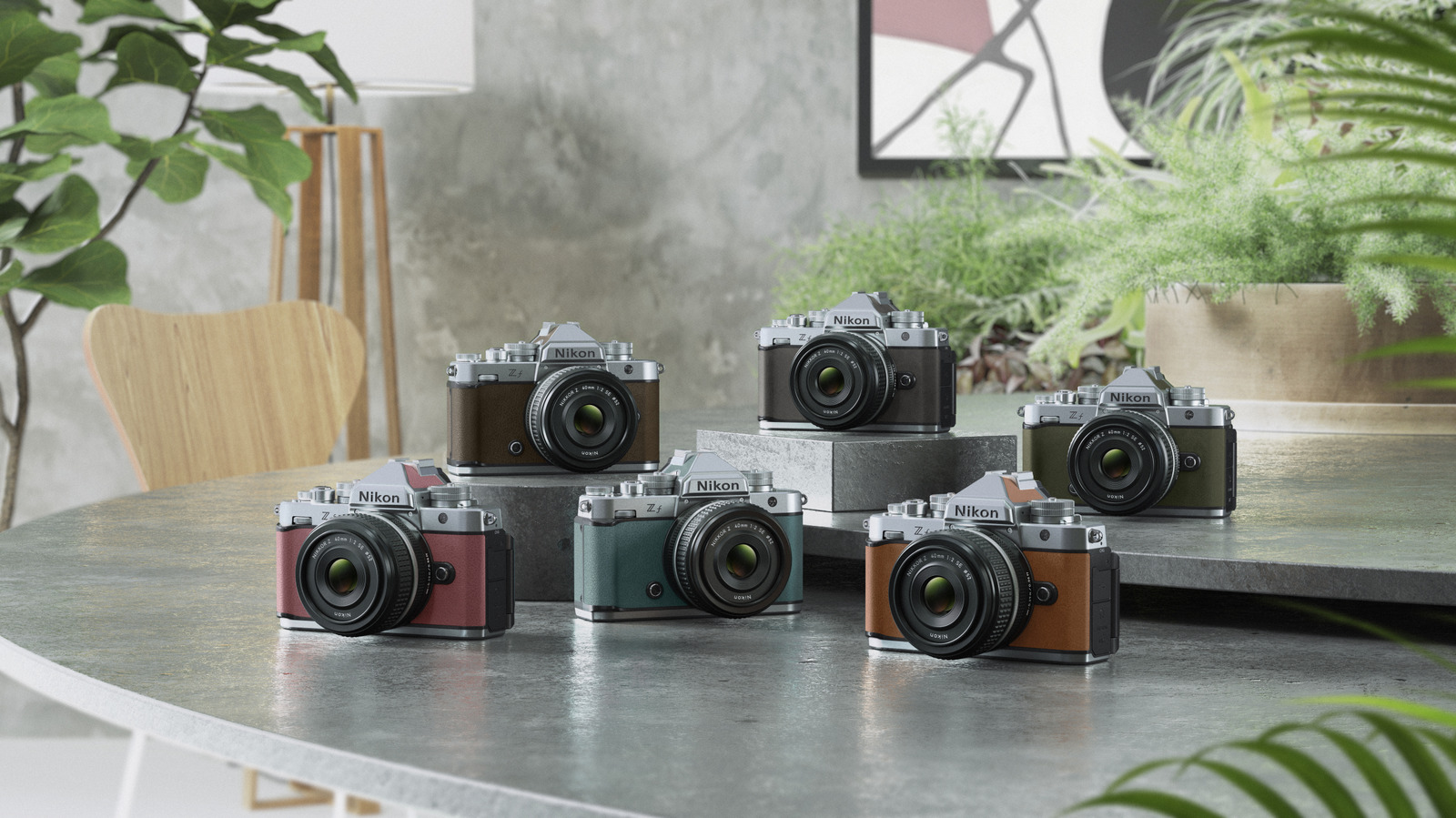
An Engadget editorial assesses whether dedicated digital cameras remain worthwhile in 2026, concluding they do for users willing to pay more and accept a manual editing workflow.
This is a single-feed opinion piece, not a product launch or policy change, so its engineering relevance is limited. The concrete takeaway is that larger sensors and interchangeable lenses still deliver optical advantages smartphones cannot match, but the cost and post-processing overhead remain real tradeoffs for anyone evaluating imaging hardware.
Written by elseif from the cluster below · every claim links back to a sourceThe three things worth knowing
Digital cameras offer larger sensors, more creative control, and specialized features like optical zoom ranges that smartphones cannot replicate.
Budget options like Canon's EOS R100 at around $500 deliver better image quality than a smartphone at a similar price point, while high-end mirrorless bodies cost around $5,000 before lenses.
The required workflow, offloading files from memory cards and manually editing on a computer, remains a significant friction point compared to smartphone computational photography.
THE CLUSTER