TECH Signal 363
Retro game resale value depends on rarity, condition, and nostalgia rather than age alone
 ↗
↗
Old video games may still hold monetary value, but their worth is determined by specific factors beyond just how old they are.
Engineers or hobbyists with retro game collections may find unexpected value in their backlog, but assessing it requires understanding market dynamics. This affects decisions on whether to sell, preserve, or discard older hardware and software assets.
Written by elseif from the cluster below · every claim links back to a sourceThe three things worth knowing
Rarity, including console exclusivity and limited print runs, significantly impacts a retro game’s resale value.
Condition, such as completeness, packaging, and physical wear, can drastically alter a game’s market price.
Nostalgia and re-releases influence demand, with some mass-produced titles retaining value while others depreciate.
THE READ
What the cluster adds up to.
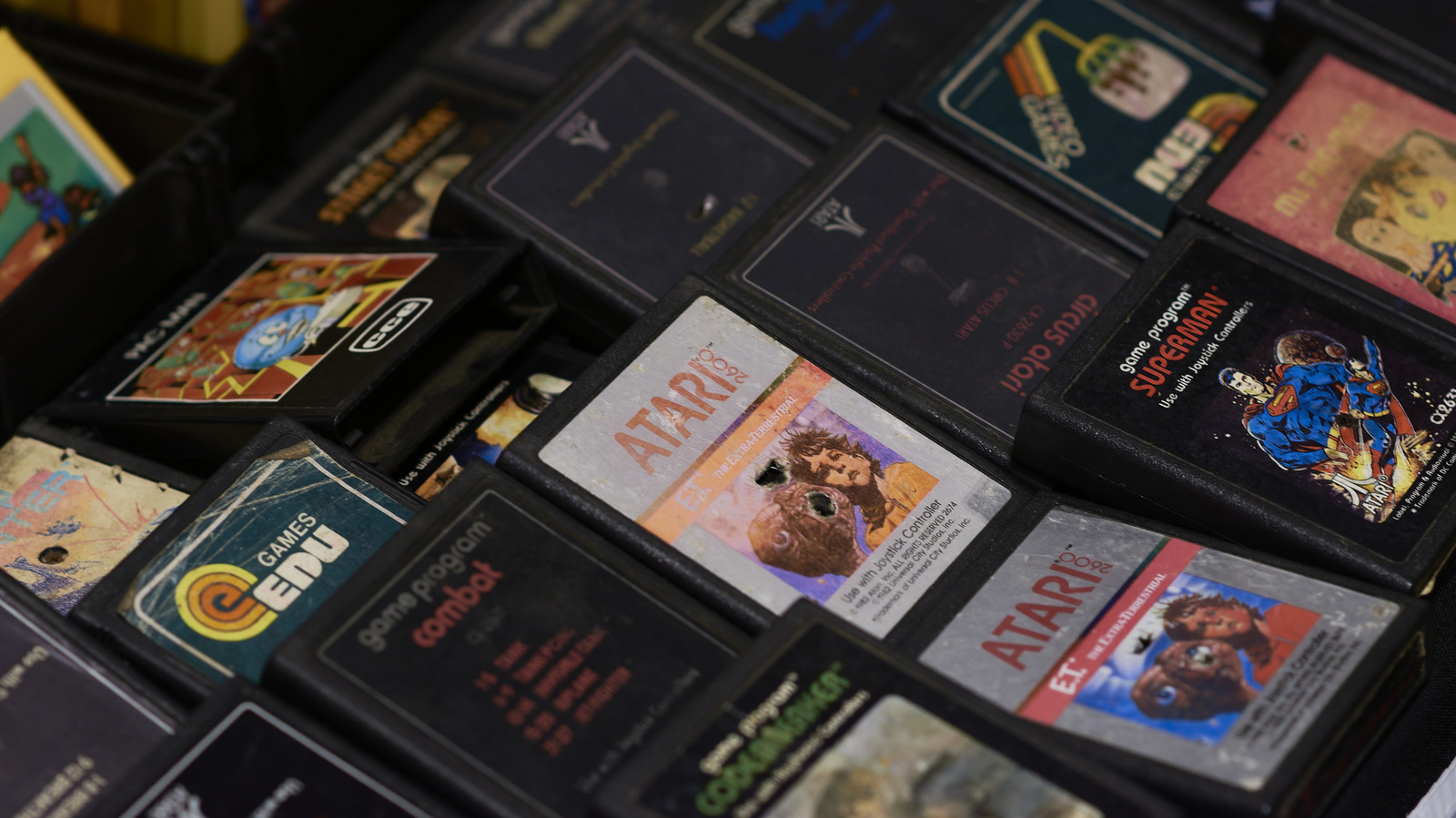
The resale market for retro games is not uniform. While older titles from early consoles like the Atari 2600 often command higher prices due to scarcity, exceptions exist. For example, GameCube games, despite being from the same era as PlayStation 2 titles, frequently sell for more because the console had lower sales and fewer game prints. This means engineers or collectors evaluating their inventory must research individual titles rather than relying on broad assumptions about age or platform.
Condition plays a critical role in determining value. A game labeled as 'complete in box' (CIB), including manuals and original packaging, can be worth significantly more than a loose cartridge or disc. Physical wear, such as scratches on discs or faded artwork, further reduces value. For high-value items, professional grading services like CGC can authenticate condition, but this adds cost and is typically only worthwhile for sealed or near-mint copies.
Nostalgia drives demand but does not guarantee value. Beloved franchises like Pokémon or The Legend of Zelda retain baseline worth, even for mass-produced titles. However, re-releases or remakes can suppress prices, as seen with *Zelda: Ocarina of Time*, which depreciated after its remake. Conversely, some titles like *Silent Hill 2* defy this trend, maintaining high value despite remakes. This inconsistency means sellers must check current market prices rather than assuming demand.
Selling strategies vary based on the game’s value and the seller’s goals. Quick sales to retailers like GameStop yield lower returns, often half the market price or less, but offer convenience. For high-value items, private sales or auction platforms may maximize profit, though they require more effort. Grading services can boost credibility and price but are only cost-effective for rare or pristine copies. Engineers or collectors must weigh these trade-offs when liquidating assets.
Written by elseif from the cluster below · checked for specifics the sources never containedTHE CLUSTER