TECH Signal 487
Artificial Intelligence used to design new viruses
 ↗
↗
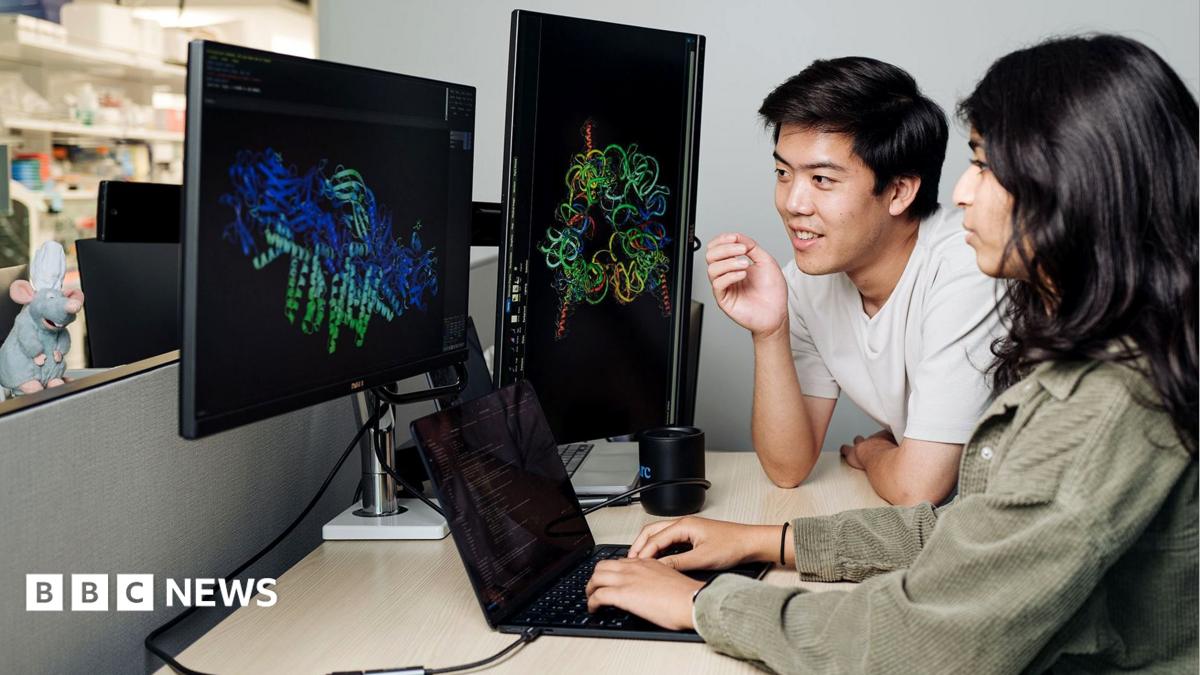
Stanford researchers used generative AI models (Evo1 and Evo2) to design complete viral genomes from scratch, producing 16 functional bacteriophages that successfully replicated and killed E. coli in the lab.
This is the first demonstration that AI can generate viable, replicating biological organisms from digital designs, moving generative AI from text and code into synthetic biology. For engineers in biotech or health tech, it opens a path to programmable phage therapy while simultaneously raising the stakes for biosecurity safeguards in AI systems.
Written by elseif from the cluster below · every claim links back to a sourceThe three things worth knowing
AI models Evo1 and Evo2 generated complete viral genomes, with 16 out of 302 synthesized designs proving functional in laboratory conditions.
The designed bacteriophages target only bacteria, with researchers deliberately excluding viruses that infect complex organisms from training data as a safety measure.
Johns Hopkins commentators raised urgent biosafety and biosecurity concerns, arguing the question is no longer whether generative viral genome design will exist but whether it can be used without enabling serious harm.
THE CLUSTER