TECH Signal 278
AT&T reportedly has no plans to support Apple’s iPhone Handoff feature
 ↗
↗
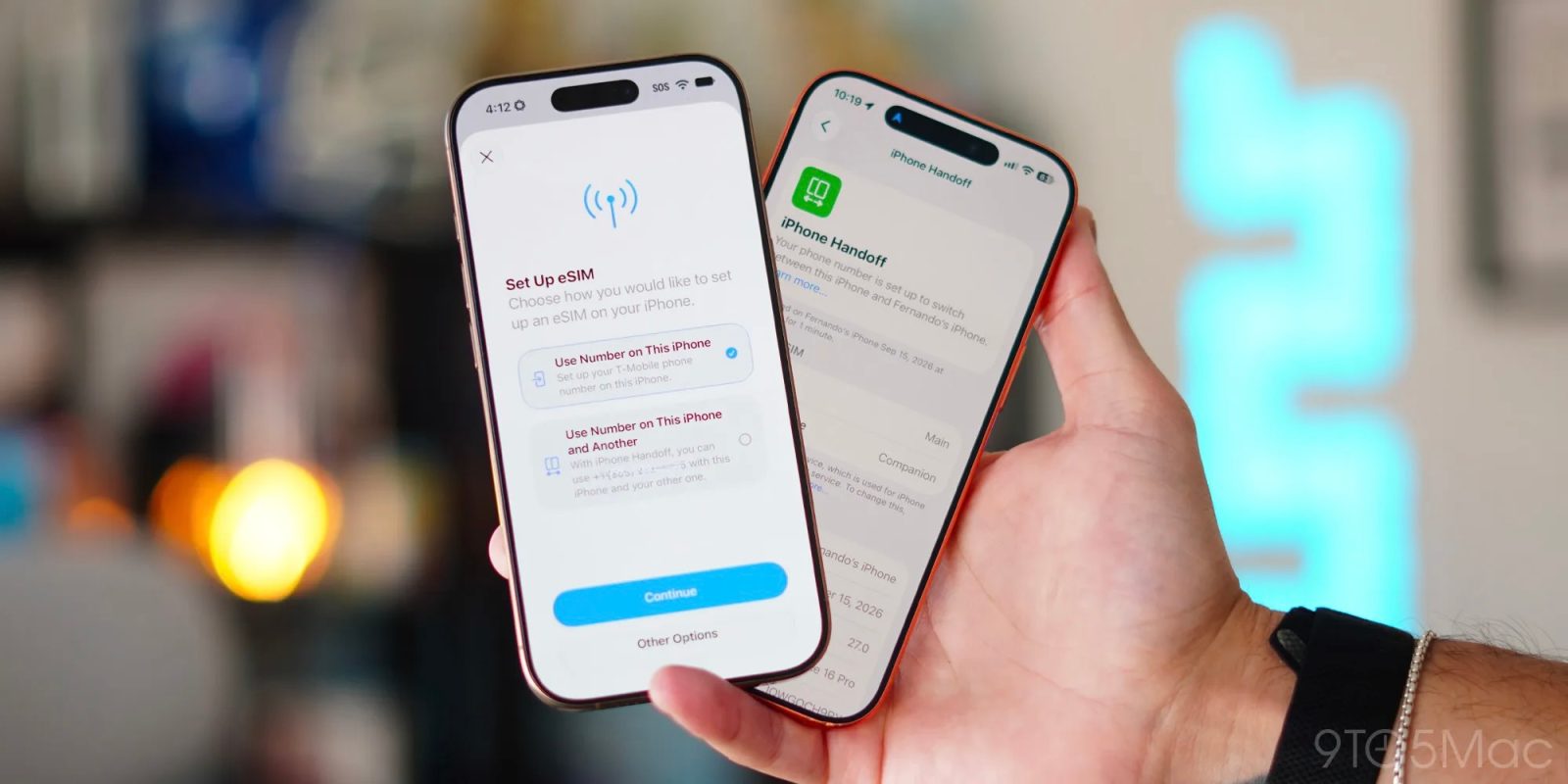
AT&T is not expected to support Apple's new iPhone Handoff feature that enables seamless phone number usage across two devices.
The lack of support for the iPhone Handoff feature by AT&T limits its functionality for users who rely on seamless transition between devices. This may lead subscribers to consider switching carriers that do support this feature, affecting AT&T's customer retention. As T-Mobile is currently the only U.S. carrier offering this feature, AT&T risks falling behind in competitive mobile services.
Written by elseif from the cluster below · every claim links back to a sourceThe three things worth knowing
iPhone Handoff allows a single phone number to be used across two iPhones.
AT&T's decision not to support this feature may frustrate its customers.
T-Mobile is currently the only U.S. carrier offering iPhone Handoff support.
THE READ
What the cluster adds up to.
Apple's new iPhone Handoff feature allows users to share a single phone number across two iPhones, automatically switching the number between devices based on which one is picked up. This feature enhances user experience by providing seamless connectivity without manual intervention.
AT&T's stated lack of interest in supporting iPhone Handoff could discourage users who value this innovative feature. The carrier's focus on existing eSIM functionalities suggests a potential misunderstanding of the Handoff's seamlessness compared to eSIM activation and transfer.
Currently, T-Mobile is the only U.S. carrier that supports iPhone Handoff, charging $5 per month for the service. Verizon is expected to add support by the end of the year, indicating a competitive landscape where AT&T's absence from this feature could lead to customer dissatisfaction and churn.
Without support for iPhone Handoff, AT&T subscribers may feel compelled to switch to carriers that provide enhanced features, potentially impacting AT&T's market share. This situation highlights the importance of carriers adapting to new functionalities introduced by device manufacturers to retain and attract customers.
The integration of such features often requires collaboration between device manufacturers and carriers, and AT&T's reluctance may signal broader challenges in adopting new technologies that enhance user experience.
Written by elseif from the cluster below · checked for specifics the sources never containedTHE CLUSTER