DEV TOOLS Signal 51
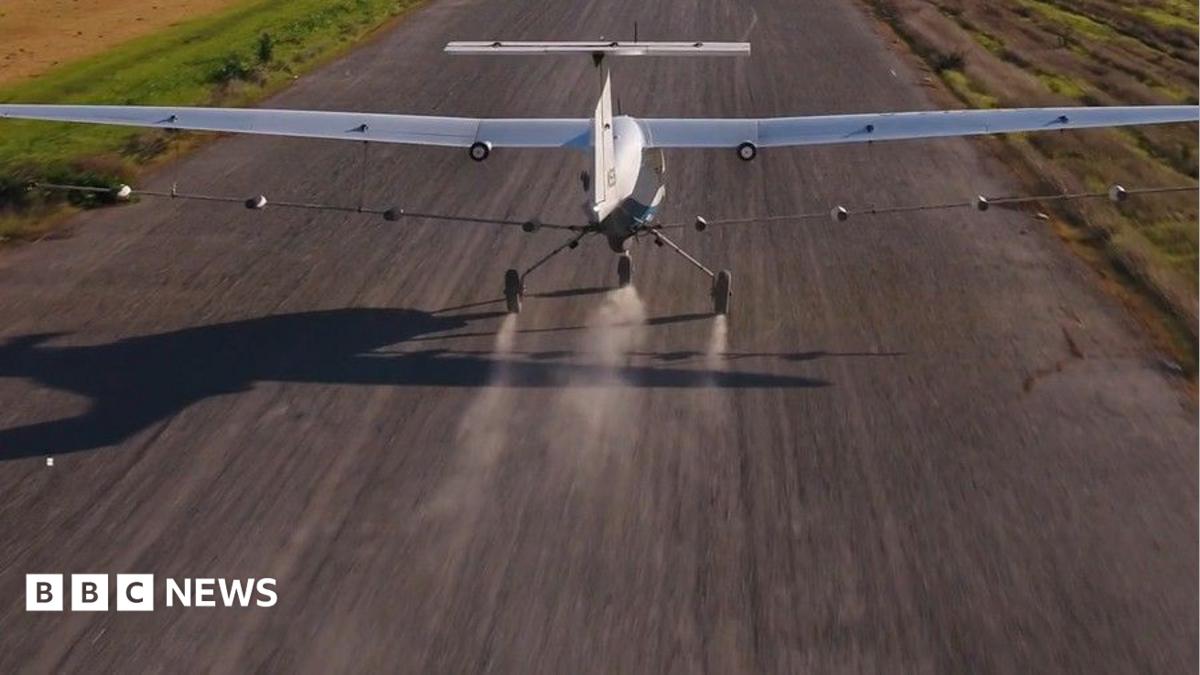
Autonomous fixed-wing aircraft expand from crop spraying to cargo operations
 ↗
↗
Pilotless planes designed for agriculture are now being tested for cargo transport, with regulatory and operational hurdles limiting near-term passenger use
Autonomous aircraft could reduce labor costs and risks in cargo transport, but certification and airspace rules remain barriers. Engineers building or integrating these systems must account for varying regulatory environments and the trade-offs between autonomy levels and human oversight requirements.
Written by elseif from the cluster below · every claim links back to a sourceThe three things worth knowing
Autonomous fixed-wing aircraft are already operational in agriculture, with companies like Pyka deploying them for crop spraying in the US and Brazil
Cargo transport is the next target market, with Windracers seeking approval for autonomous flights in remote UK regions and military logistics in Ukraine
Regulatory approvals currently require human oversight, such as ground operators or visual observers, limiting full autonomy in commercial operations
THE READ
What the cluster adds up to.
Autonomous fixed-wing aircraft are transitioning from niche agricultural applications to broader cargo transport. Companies like Pyka and Windracers are leading this shift, with Pyka’s electric crop-spraying planes already in use in the US and Brazil, and Windracers testing cargo flights in remote UK regions and Ukraine. The move into cargo reflects a logical next step: cargo operations often involve predictable routes and lower risk tolerance than passenger flights, making them a more feasible proving ground for autonomy. However, the regulatory environment remains fragmented, with different countries imposing varying requirements for human oversight, airspace access, and operational limits.
The technical approaches to autonomy vary significantly across companies, influencing both certification timelines and operational flexibility. Pyka’s system relies on lidar for obstacle detection and avoids AI for now, while Merlin Labs is testing AI-powered cameras and generative AI for air-traffic-control communications. These choices affect how much human supervision is required: Pyka’s current US approval mandates a ground operator and visual observer, whereas Merlin Labs’ AI-driven approach could eventually reduce reliance on human oversight. Engineers integrating these systems must weigh the trade-offs between faster certification (by minimizing AI) and long-term scalability (by leveraging AI for more complex tasks).
The commercial viability of autonomous cargo aircraft hinges on labor savings outweighing the costs of human oversight and regulatory compliance. Pyka’s current model requires manual refills and battery swaps, and its US operations demand ground personnel, limiting the labor savings. Windracers’ proposed cargo service in the Shetland and Orkney islands faces similar constraints, as UK regulators have not yet approved unattended operations. The economic case for autonomy will depend on whether these systems can reduce the number of personnel needed per aircraft while maintaining safety and reliability. For now, the technology is better suited to repetitive, high-risk, or remote operations where human pilots are scarce or expensive.
Regulatory hurdles remain the biggest barrier to scaling autonomous aircraft beyond agriculture. The US and Brazil have granted approvals for tightly defined agricultural use cases, but cargo and passenger operations face stricter scrutiny. The UK’s cautious approach to Windracers’ cargo proposal highlights the challenges of expanding into new markets. Engineers must design systems that can adapt to evolving regulations, such as requirements for remote pilots, air-traffic-control integration, and fail-safe mechanisms. The lack of standardized global rules means that a system approved in one country may need significant modifications to operate elsewhere, adding complexity to deployment and maintenance.
Written by elseif from the cluster below · checked for specifics the sources never containedTHE CLUSTER