SECURITY Signal 52
Balatro fan reportedly trains Google fruit fly brain simulation to play game with 20% success rate
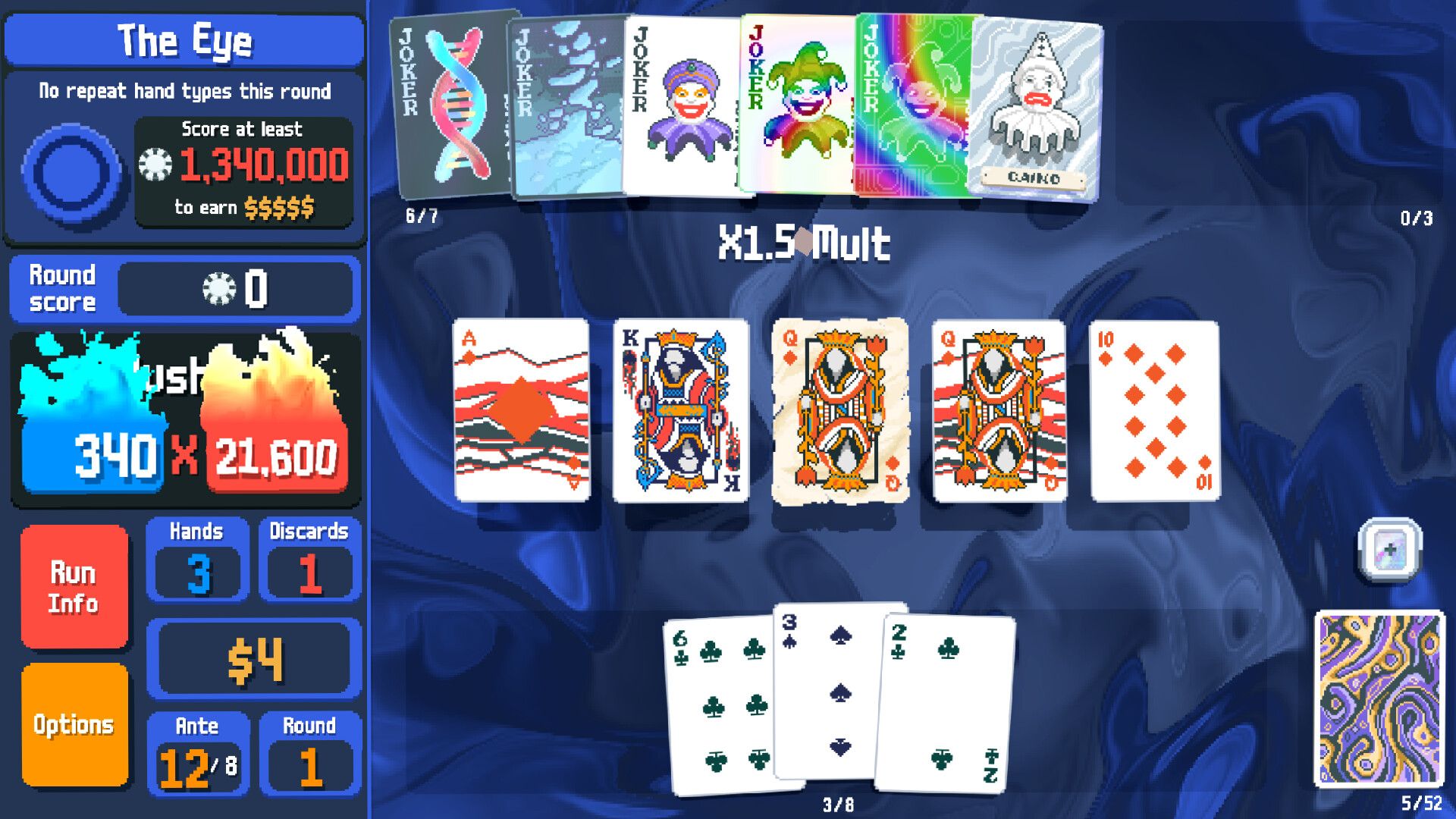 ↗
↗
One Balatro player says they've taken Google's mapped fruit fly brain and trained it to play Balatro, currently at a 20% success rate with plans for further refinement.
This event showcases how advanced simulations of biological systems can be adapted for gaming applications. The 20% success rate indicates initial progress in training AI using biological models, but the project's credibility hinges on the reproducibility and transparency of the training methods employed.
Written by elseif from the cluster below · every claim links back to a sourceThe three things worth knowing
The fruit fly brain simulation has achieved a 20% success rate in playing Balatro using a custom training algorithm.
Training involves comparing the model's performance on random game seeds and adjusting based on outcomes.
Skepticism exists regarding the project's details and reproducibility, as not much information has been shared from the developer.
THE READ
What the cluster adds up to.
A Balatro player claims to have trained a Google-mapped fruit fly brain simulation to play the game, achieving a 20% success rate. This marks an interesting intersection of neuroscience and gaming, where a biological model is leveraged to interact with a digital environment. However, the details of the training process remain vague, raising questions about the validity and reproducibility of the results.
The reported success rate of 20% suggests that while the model has made strides, significant challenges remain in improving its performance. Training AI models, especially those based on biological systems, often requires extensive data and fine-tuning, particularly in complex environments like Balatro, where randomness and strategy combine.
The project may face limitations due to the lack of transparency in the training methodology. Without a clear understanding of the algorithms used or access to the training data, external validation of the results could be difficult. This could hinder wider acceptance and potential applications of similar biological simulations in gaming or other fields.
Written by elseif from the cluster below · checked for specifics the sources never containedTHE CLUSTER