INFRA Signal 255
Beltrunner: Game Design Postmortem
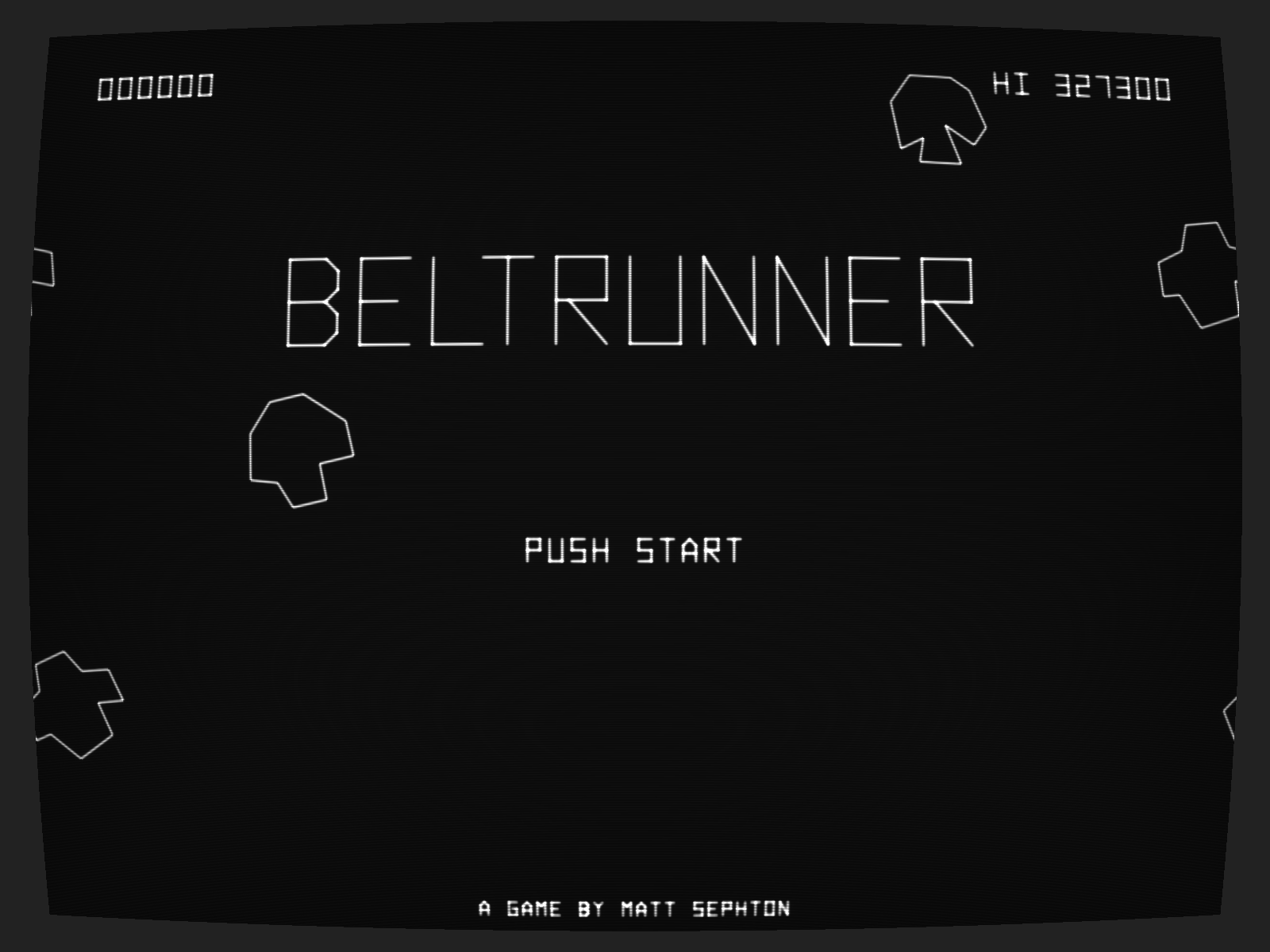 ↗
↗
The postmortem explains how the Beltrunner game was built with the experimental Jinks engine, evolving from an orbital shooter prototype to a timed, gate-based Asteroids variant with a fixed wave structure.
Engine developers see a concrete example of rapid iteration using a lightweight, evolving toolchain, highlighting both speed and volatility. Game designers get a clear case study of replacing traditional lives with a single time resource and structuring difficulty in teach-practice-close cycles. The approach shows how minimal code changes per level can drive content without heavy scripting, but also signals the risk of relying on a still-changing language.
Written by elseif from the cluster below · every claim links back to a sourceThe three things worth knowing
Jinks enables fast prototyping, but its language and tooling are still in flux, requiring developers to monitor ongoing changes.
Beltrunner replaces lives with a dual-countdown system, making time the sole player resource and simplifying UI feedback.
Difficulty is delivered in sixteen fixed waves grouped into four acts, each introducing and reinforcing a new gate mechanic before moving on.
THE READ
What the cluster adds up to.
The author describes an early prototype that behaved more like a space duel with static orbits, which proved unfun and was abandoned. By switching back toward an Asteroids-style core, the design retained only the numbered pickups and added gate mechanics, illustrating how rapid iteration can prune entire gameplay concepts. This shift was possible because Jinks allowed the whole prototype to be rebuilt quickly, a benefit for teams experimenting with core loops.
The final game introduces two synchronized countdowns: one driven by the player’s progress through numbered gates and another by a race clock that depletes on collisions. Removing lives in favor of a single time metric reduces the amount of state the engine must track and gives players a clear, at-a-glance objective. For developers, this design choice simplifies UI rendering and eliminates the need for life-based save logic.
Difficulty is organized into sixteen waves split into four acts, each act teaching a new gate behavior before repeating it for practice. This “introduce-practice-practice-close” cadence mirrors classic Nintendo pacing, ensuring players have time to internalize mechanics before they are combined. Implementing this structure required only recording the differences between successive waves, which keeps level data compact and eases maintenance.
From an engineering perspective, the Jinks workflow means developers write only the delta changes for each wave, avoiding redundant code and reducing the chance of bugs in repeated sections. However, the author notes that the engine’s language is still evolving daily, implying that any production code would need to accommodate breaking changes or lock down a stable version before release. Teams must weigh the speed gains against the overhead of tracking engine updates.
Adopting Jinks for a project would involve learning its succinct language and integrating its interactive development environment, which may have a modest onboarding cost. Because the engine is not yet finalized, projects that require long-term stability or extensive third-party integration might encounter limitations. Conversely, small teams or jam-style productions can exploit its rapid iteration capabilities to experiment with novel mechanics without heavy infrastructure.
Written by elseif from the cluster below · checked for specifics the sources never containedTHE CLUSTER