TECH Signal 364
Biden's Team Allegedly Sought War in Middle East While Evading Responsibility
 ↗
↗
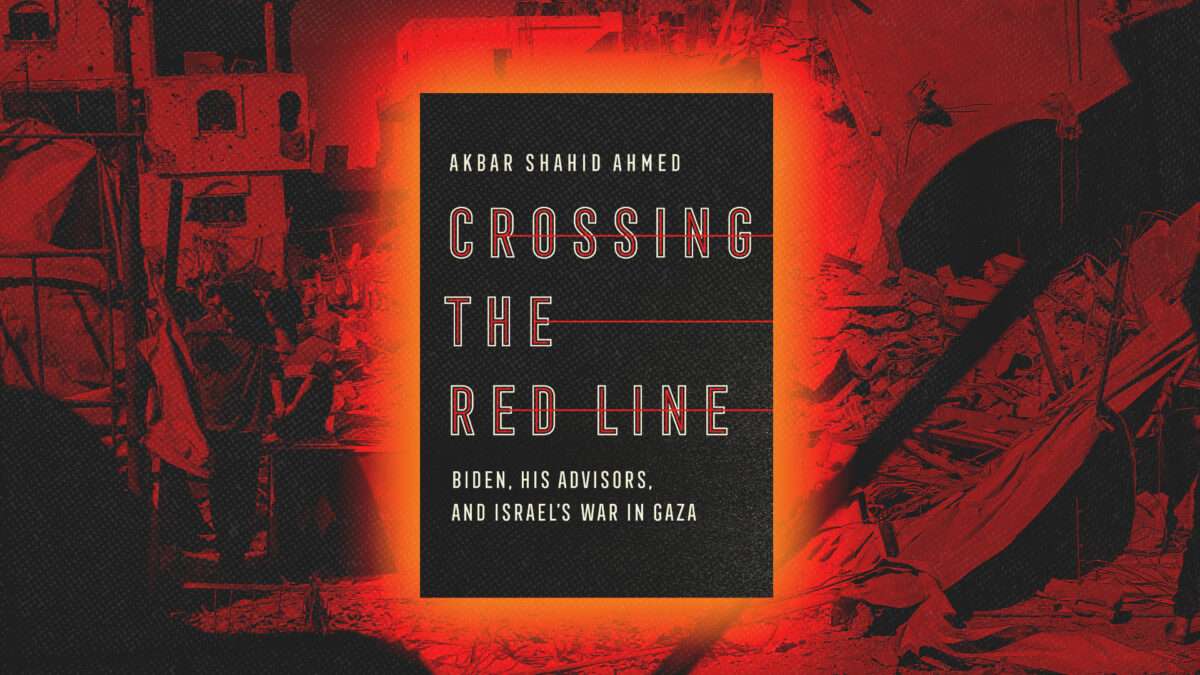
Crossing the Red Line reveals the U.S. administration's complex role in the Gaza conflict.
The U.S. government's involvement in foreign conflicts raises ethical concerns about decision-making processes. Understanding the bureaucratic dynamics can inform future policy and accountability measures. As engineers and professionals in various fields, awareness of these implications can guide responsible practice in international projects.
Written by elseif from the cluster below · every claim links back to a sourceThe three things worth knowing
The Biden administration reportedly used bureaucratic tactics to engage in the Gaza conflict while distancing itself from responsibility.
Humanitarian concerns were allegedly overshadowed by strategic gains perceived by U.S. officials.
The book highlights a lack of transparency and accountability regarding U.S. military actions and their consequences.
THE READ
What the cluster adds up to.
The event reveals a complex narrative around the Biden administration's involvement in the Gaza conflict, suggesting that it was neither passive nor fully transparent. Instead, it indicates a calculated approach to maintain U.S. influence while avoiding direct accountability for the humanitarian fallout.
The costs of such a strategy could be significant, not just in terms of human lives but also in international standing and relations. By employing bureaucratic maneuvers to distance itself from direct consequences, the administration risks further complicating U.S. foreign policy and its ethical implications.
This scenario also illustrates the limitations of U.S. interventionist strategies, as the administration's perceived gains may not align with the realities on the ground. The potential for backlash or increased hostility from affected regions could undermine long-term U.S. interests, making it crucial to evaluate the effectiveness of such approaches.
Furthermore, the narrative suggests that the administration's actions may have been driven by a desire to maintain strategic advantages rather than to genuinely address humanitarian needs. This raises questions about the priorities in U.S. foreign policy and how they affect both domestic and international perceptions of justice and morality.
Overall, the insights from Ahmed's book shed light on the complexities of modern warfare and diplomacy, underscoring the need for engineers and decision-makers to consider the broader implications of their actions within international contexts.
Written by elseif from the cluster below · checked for specifics the sources never containedTHE CLUSTER