DATABASES Signal 356
Big Walk, retro electronic repairs and other new indie games worth checking out
 ↗
↗
The article rounds up recent indie game releases, highlighting Big Walk, ReStory: Chill Electronics Repairs, and various promotional events on Steam and other platforms.
The provided material focuses on indie game announcements and promotional offers, with no discussion of database technologies or related engineering implications. Consequently, there is no direct impact on database design, operation, or maintenance to report from this news.
Written by elseif from the cluster below · every claim links back to a sourceThe three things worth knowing
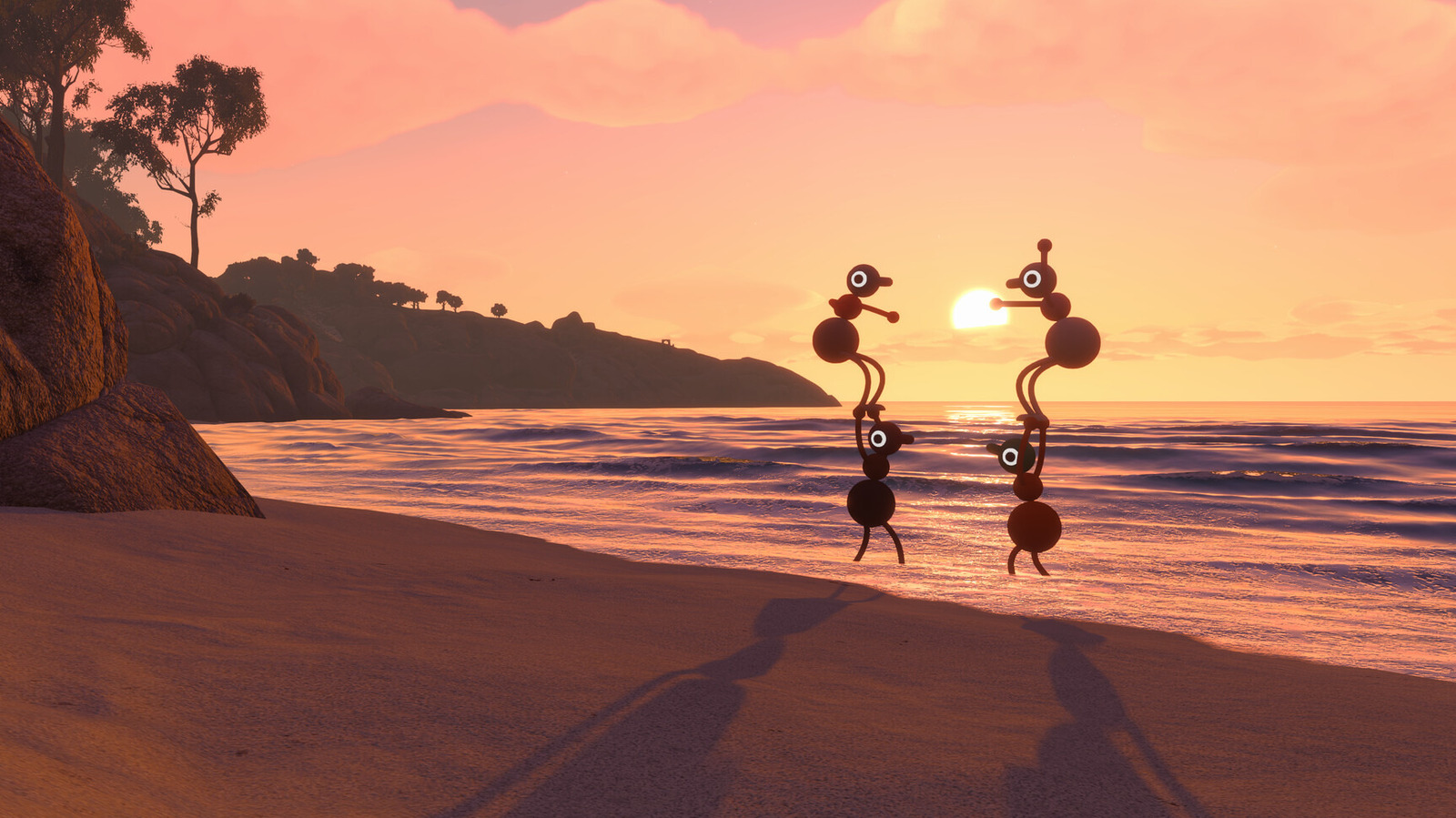
Big Walk is a cooperative puzzle and exploration game that uses proximity chat and supports cross-play across Windows, Mac, Steam Deck, PS5 and Nintendo Switch 2.
ReStory: Chill Electronics Repairs is a management sim where players run a retro-gadget repair shop, sourcing parts online and customizing devices for customers.
Steam’s Cyberpunk Fest and related publisher sales offer reduced prices on numerous titles, including Cyberpunk 2077, RoboCop: Rogue City and several indie games, running for a limited time.
THE READ
What the cluster adds up to.
Big Walk shifts the typical solo-play expectation by requiring at least one companion to progress, emphasizing proximity-based voice chat and optional non-verbal cues such as gestures, walkie-talkies and flares. This design encourages players to organize their own groups, as the title lacks automated matchmaking. Cross-platform support widens the pool of potential teammates, letting friends on different consoles or PCs join the same session. For engineers, the reliance on real-time communication highlights networking considerations for low-latency voice and data sync across heterogeneous devices.
ReStory introduces a gameplay loop centered on diagnosing, disassembling, cleaning and reassembling retro-styled electronics, with a mechanic that lets players search the web for spare parts when inventory is insufficient. The game simulates supply-chain constraints by making certain components scarce, prompting players to trade or salvage items from other devices. Customization requests add a layer of player-driven variation, requiring flexible part-matching logic. These systems illustrate how inventory management and dynamic sourcing can be modeled in a simulation environment.
Promotional events such as the Steam Cyberpunk Fest and publisher-specific sales temporarily lower the acquisition cost for a wide catalogue of games, including both major releases and indie experiments. This time-bound availability enables developers and engineers to explore new mechanics, art styles or narrative approaches without the usual financial barrier. Access to a broader set of titles can inspire cross-disciplinary ideas, particularly in areas like procedural generation, user-generated content or cooperative system design.
The usefulness of these releases for database work is limited: Big Walk’s enjoyment hinges on finding enough players and tolerating proximity-chat dependencies, which may not translate to backend concerns. ReStory’s part-sourcing mechanic is abstracted and does not involve persistent data storage or query optimization. Promotional offers are ephemeral, and once they end the games return to regular pricing, reducing sustained exposure. Overall, while the announcements showcase interesting game design, they do not convey concrete changes to database technologies, performance trade-offs or operational practices that engineers would need to adopt.
Written by elseif from the cluster below · checked for specifics the sources never containedTHE CLUSTER