TECH Signal 510
Bioengineered chewing gum may offer a way to fight microbes linked to cancers
 ↗
↗
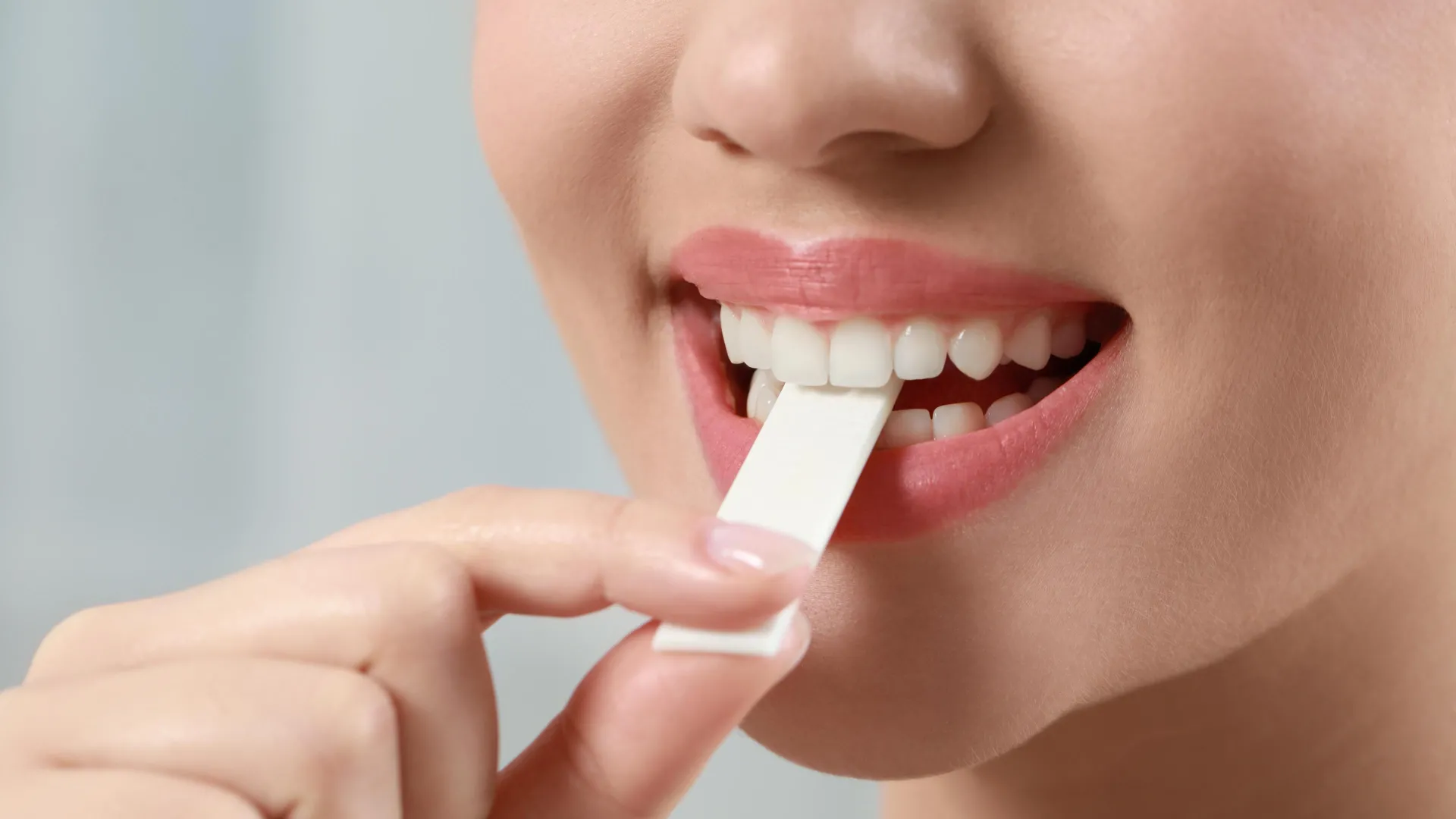
A bioengineered chewing gum reduces cancer-linked microbes in oral samples by up to 93% without harming beneficial mouth bacteria.
For engineers in biotech or medical device fields, this introduces a low-cost, non-invasive adjunct to existing cancer therapies. If validated in trials, the gum could shift microbial risk management from systemic drugs to localized, patient-administered delivery. The preservation of the oral microbiome also sets a benchmark for future antimicrobial designs.
Written by elseif from the cluster below · every claim links back to a sourceThe three things worth knowing
The gum uses a naturally occurring antiviral protein and an engineered antimicrobial peptide to target HPV and two cancer-associated bacteria.
A single dose reduced harmful microbes by 80 to 93% in patient samples while sparing beneficial oral bacteria.
Researchers propose the gum as an affordable, adjunctive therapy or preventive measure alongside conventional cancer treatments.
THE READ
What the cluster adds up to.
The event marks a shift from broad-spectrum antimicrobials to precision targeting of cancer-linked microbes. The gum’s active ingredients, FRIL and protegrin, are delivered via a familiar, non-invasive format. This contrasts with radiation or systemic drugs that often disrupt the entire oral microbiome. Engineers should note the specificity: the gum spares beneficial bacteria, a feature that could reduce secondary infections like Candida overgrowth.
Adoption costs appear low for patients but may require regulatory and manufacturing hurdles. The gum is derived from lablab beans, a scalable crop, and avoids complex synthesis. However, clinical trials will determine efficacy in real-world settings, particularly for long-term use. Engineers in drug delivery or medical devices might explore how to integrate such localized treatments into existing cancer care workflows without adding complexity.
The gum’s effectiveness stops where systemic disease begins. It targets microbes in saliva and oral rinses, not metastatic or deep-tissue infections. This limits its role to adjunctive or preventive therapy rather than a standalone cure. The material also does not address potential resistance mechanisms in bacteria or viruses, a critical consideration for long-term deployment. Engineers should weigh these constraints when evaluating its place in cancer treatment protocols.
Written by elseif from the cluster below · checked for specifics the sources never containedTHE CLUSTER