TECH Signal 384
BMW is forcing a weird Spider-Man ad onto its dashboard displays
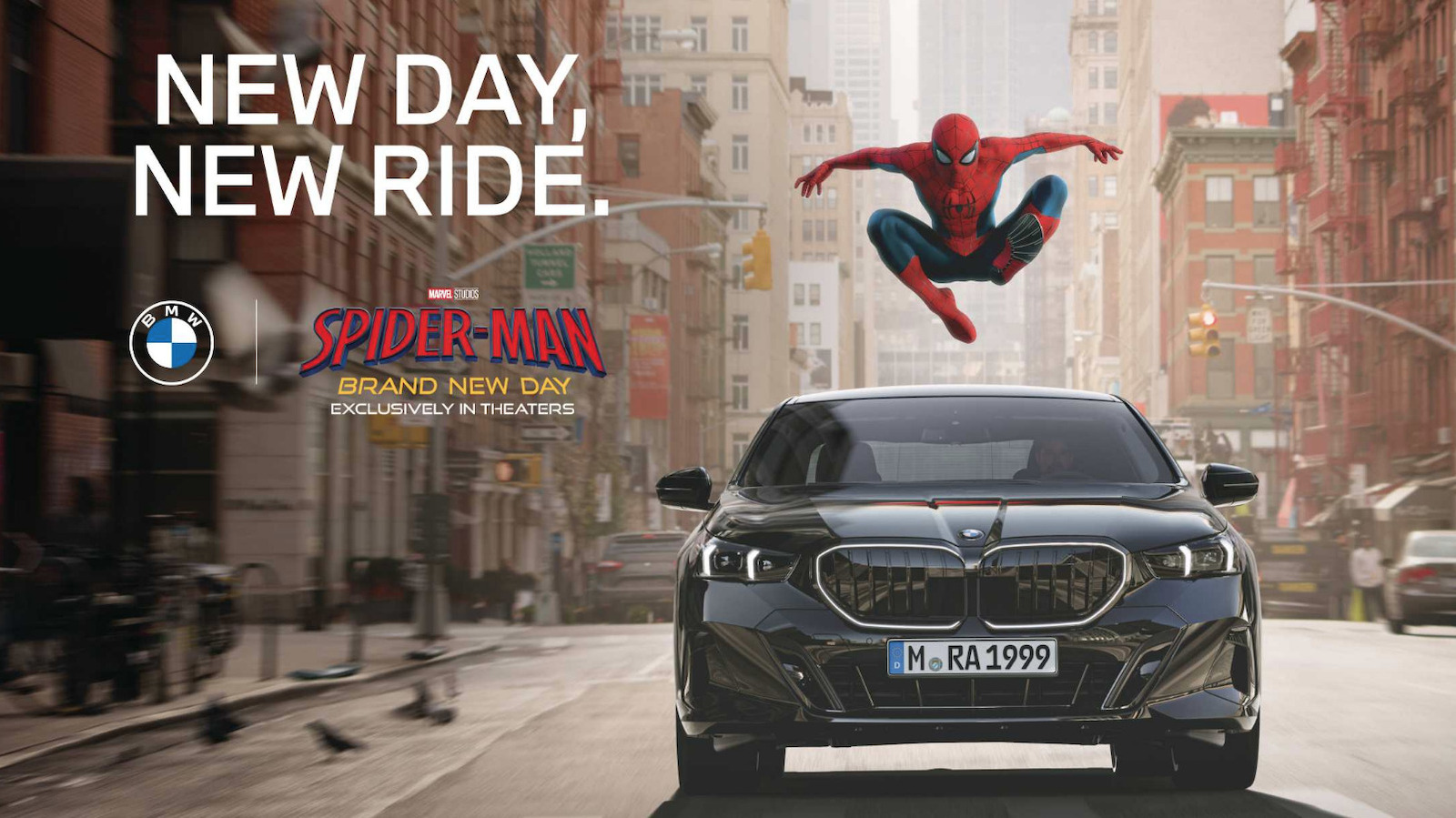 ↗
↗
BMW is facing backlash after pushing a Spider-Man movie advertisement that appears as a banner on its dashboard displays when the car starts.
For engineers building connected vehicle software, this incident shows that automakers can remotely push promotional content to in-car screens, potentially eroding user trust. The backlash suggests that even temporary, opt-out ads in luxury vehicles may be unacceptable to customers, setting a precedent for future in-vehicle monetization strategies.
Written by elseif from the cluster below · every claim links back to a sourceThe three things worth knowing
A Spider-Man-themed banner appears automatically on startup, and tapping it triggers an animation using the car's audio and ambient lighting systems.
The promotion runs from July 27 to August 10 in over 70 countries on BMW vehicles made after 2020.
BMW previously faced similar backlash for a subscription service that charged for already-installed heated seats, highlighting a pattern of controversial monetization attempts.
THE READ
What elseif makes of it.
BMW has deployed a software-driven advertisement that appears on the dashboard display of many of its vehicles when the engine starts. The banner promotes the movie Spider-Man: Brand New Day and, if tapped, expands into a full animation that uses the car's audio system and ambient lighting. This is a cross-promotion with Sony/Marvel that also features a concept vehicle, the BMW iX3 Flow. The ad is not a static image but an interactive experience that leverages the car's built-in hardware.
The cost of this move is primarily reputational. BMW's senior vice president had previously stated that the company would not sell ad space on its screens, calling the car a private space. Now customers who paid tens of thousands of dollars for a luxury vehicle are seeing an unsolicited advertisement. The backlash on social media and forums indicates that many owners feel their ownership experience has been cheapened. For engineers, this demonstrates that the technical capability to push content to in-car displays exists and can be activated remotely, but the business decision to do so may alienate users.
The ad campaign is limited in scope: it runs for about two weeks and only on vehicles manufactured after 2020. However, the banner appears automatically, contradicting BMW's statement that the animation is only visible to drivers who proactively initiate it. This discrepancy undermines trust in the company's communication. The promotion is global, affecting drivers in more than 70 countries, which amplifies the scale of the backlash. The temporary nature of the campaign does not erase the precedent it sets for future in-vehicle advertising.
This incident echoes BMW's earlier attempt to charge a monthly fee for heated seats that were already installed in the car. That subscription model was quickly reversed after negative press. The current ad push suggests that BMW is still exploring ways to monetize the software and hardware in its vehicles. For engineers working on connected car platforms, this highlights the tension between creating new revenue streams and respecting the user's expectation of a private, ad-free environment. The technical infrastructure that enables over-the-air updates and in-car app stores can also be used for promotional content, and the industry will need to decide where to draw the line.
Written by elseif from the cluster below · checked for specifics the sources never containedTHE CLUSTER