TECH Signal 498
Open-source AI on $150 underwater recorders detects over 8,500 bomb-fishing blasts per year in Indonesia's coral reefs
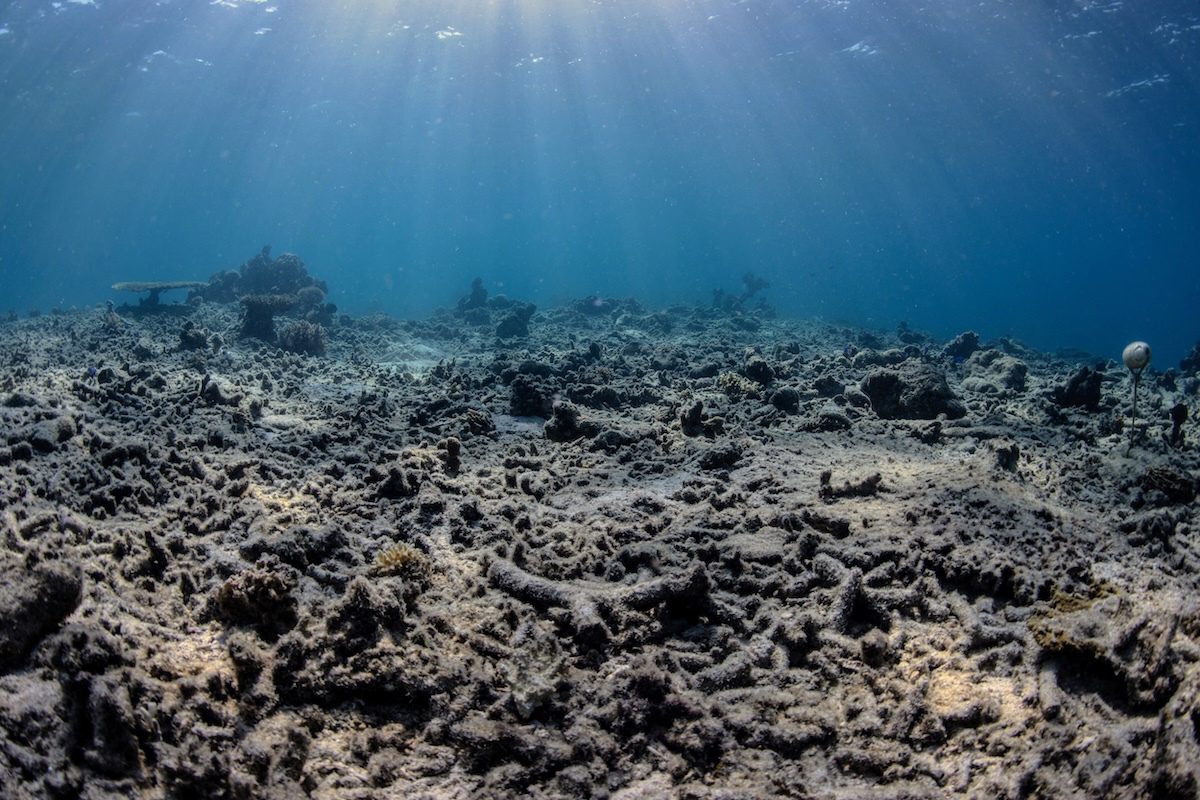 ↗
↗
Researchers from the Zoological Society of London used low-cost underwater audio recorders and open-source AI software to detect and quantify illegal blast fishing off Indonesia's Spermonde Archipelago, estimating over 8,500 explosions per year across a 350-square-mile area.
The open-source AI pipeline makes large-scale acoustic monitoring of illegal fishing feasible where traditional patrols fail across vast marine areas. The methodology could be replicated in any of the 34-plus countries where blast fishing has been documented, turning a detection problem that was previously intractable into a data-processing one.
Written by elseif from the cluster below · every claim links back to a sourceThe three things worth knowing
Researchers anchored $150 audio recorders to seafloor stakes in 2023 and used open-source AI to scan 16 months of audio in hours, with each suspected detonation manually verified against misfiring boat engines.
The study estimated over 8,500 blasts per year in a 350-square-mile area, with a bomb dropped every 62 minutes and the equivalent of three football fields of reef destroyed annually.
Sound traveling over four times faster through water than air allowed detection of detonations from over 10 miles away, a range that makes surface-based visual interception largely irrelevant.
THE CLUSTER