TECH Signal 502
Linux mini-PC with user-replaceable components and hot-swappable key switches launched
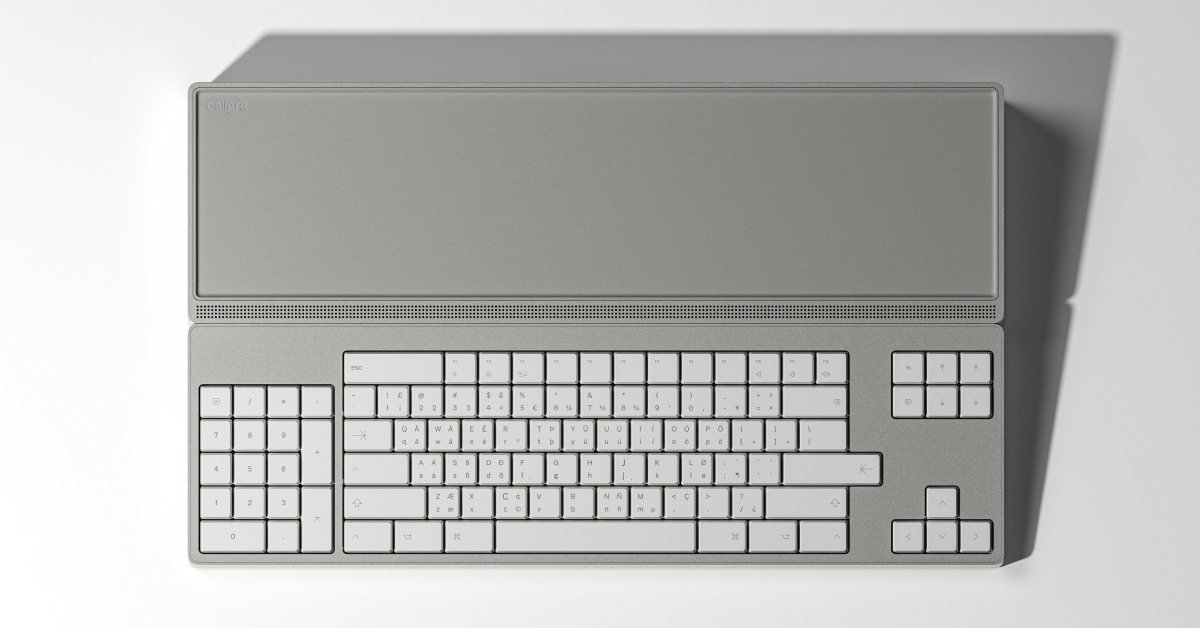 ↗
↗
A new Linux-based mini-PC targets workplace productivity with modular hardware and customizable input.
This device challenges the disposable-PC trend by allowing in-field repairs and upgrades. For engineers, it offers a rare combination of repairability and performance in a compact form factor. The focus on user-serviceable parts may influence future hardware design expectations.
Written by elseif from the cluster below · every claim links back to a sourceThe three things worth knowing
Device runs Linux on an AMD Ryzen 7940HS with 8 cores and 16 threads
Features user-replaceable RAM, SSD, wireless modules, and hot-swappable mechanical key switches
Includes USB4, HDMI, USB-A, Ethernet, and 3.5mm audio ports in a milled aluminium enclosure
THE READ
What the cluster adds up to.
The mini-PC introduces a modular approach to hardware design that contrasts with most modern compact PCs. By making RAM, SSD, Wi-Fi, and Bluetooth modules user-replaceable, it reduces e-waste and extends the device's usable lifespan. This repairability comes at the cost of potential size and weight trade-offs, though the material provided does not specify exact dimensions or weight penalties.
The inclusion of hot-swappable Kailh key switches suggests a focus on customization for power users. This feature allows engineers to adapt the input method to their workflow without replacing the entire device. However, the reliance on proprietary low-profile switches may limit aftermarket options compared to standard mechanical keyboards. The material does not clarify whether the switches are socketed or require soldering for replacement.
The hardware configuration targets productivity workloads with an AMD Ryzen 7940HS processor and multiple high-speed ports. The dual USB4 Type-C and HDMI ports enable multi-monitor setups, while USB-A and Ethernet provide legacy connectivity. The Linux compatibility ensures software flexibility, though the material does not specify which distributions or drivers are officially supported.
The emphasis on a premium aluminium enclosure and a wired mouse hints at a niche market positioning. While the device may appeal to engineers seeking repairable hardware, its success depends on balancing modularity with performance and cost. The material does not provide pricing or availability details, leaving questions about its competitiveness against established mini-PC offerings.
Written by elseif from the cluster below · checked for specifics the sources never containedTHE CLUSTER