TECH Signal 148
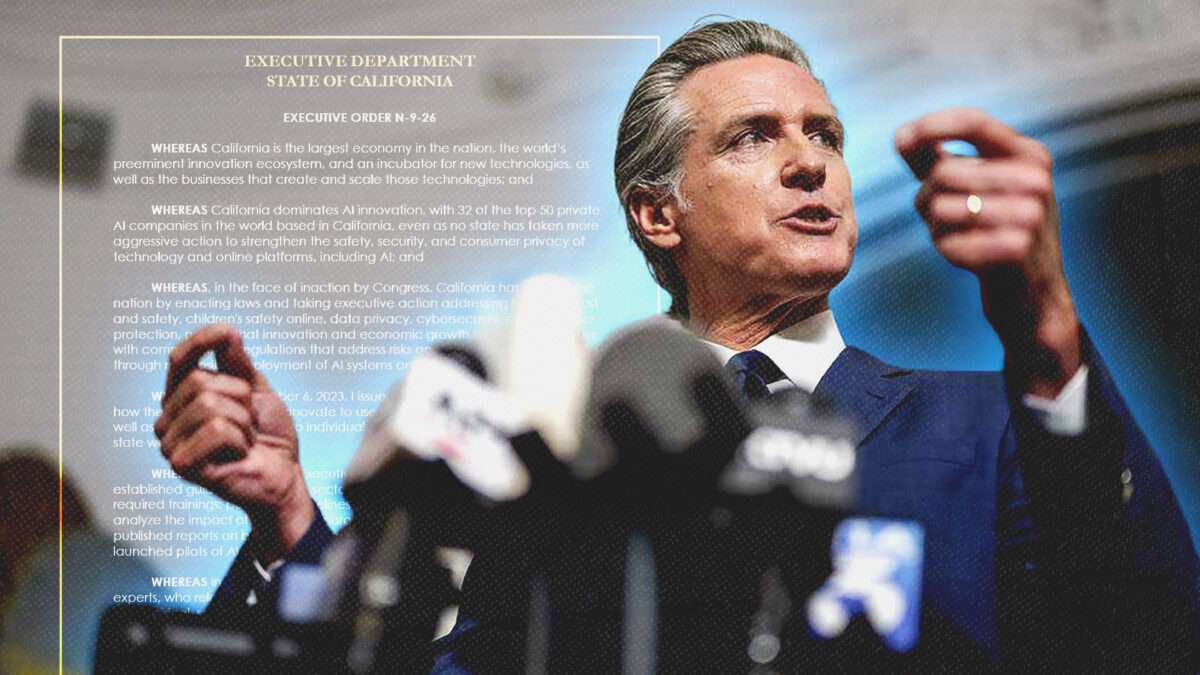
California's Executive Order Aims to Establish National AI Regulations
 ↗
↗
Newsom's order includes expert panel recommendations on AI safety, potentially affecting nationwide policies.
California is taking a proactive approach to AI regulation, aiming to set standards that could influence national policy. This move could lead to a patchwork of regulations that may benefit larger companies while complicating compliance for smaller firms. The outcome will be crucial for the future of AI oversight and safety across the United States.
Written by elseif from the cluster below · every claim links back to a sourceThe three things worth knowing
California's executive order mandates a two-month deadline for experts to propose AI safety regulations.
The proposed regulations may include independent audits and a 'kill switch' for frontier AI models.
The implications of California's rules could create a national standard, affecting AI companies beyond state lines.
THE READ
What the cluster adds up to.
California Governor Gavin Newsom's executive order reflects a significant shift in how AI might be regulated at the state level, with potential implications for national standards. The establishment of a panel to recommend specific safety measures indicates a move towards more stringent oversight in response to recent incidents in the AI sector.
The proposed 'kill switch' and requirements for independent audits could impose new operational costs on AI companies, particularly those developing frontier models. While these measures aim to enhance safety, they may also create barriers to entry for smaller firms that lack the resources to comply with extensive regulatory frameworks.
While the executive order is presented as a safety measure, there are concerns that it could lead to a false sense of security among users and companies alike. The fear is that companies might meet regulatory standards without striving for higher safety benchmarks, ultimately compromising the very purpose of these regulations.
The potential for a diverse patchwork of state regulations raises questions about the future of AI policy in the U.S. If California's approach sets a precedent, other states may follow suit, leading to overlapping regulations that could disproportionately impact smaller companies while allowing larger players to navigate compliance more easily.
As California positions itself as a leader in AI regulation, the long-term effects on innovation and competition within the industry remain uncertain. The balance between necessary oversight and fostering a healthy competitive environment will be critical in shaping the future landscape of AI development.
Written by elseif from the cluster below · checked for specifics the sources never containedTHE CLUSTER