TECH Signal 408
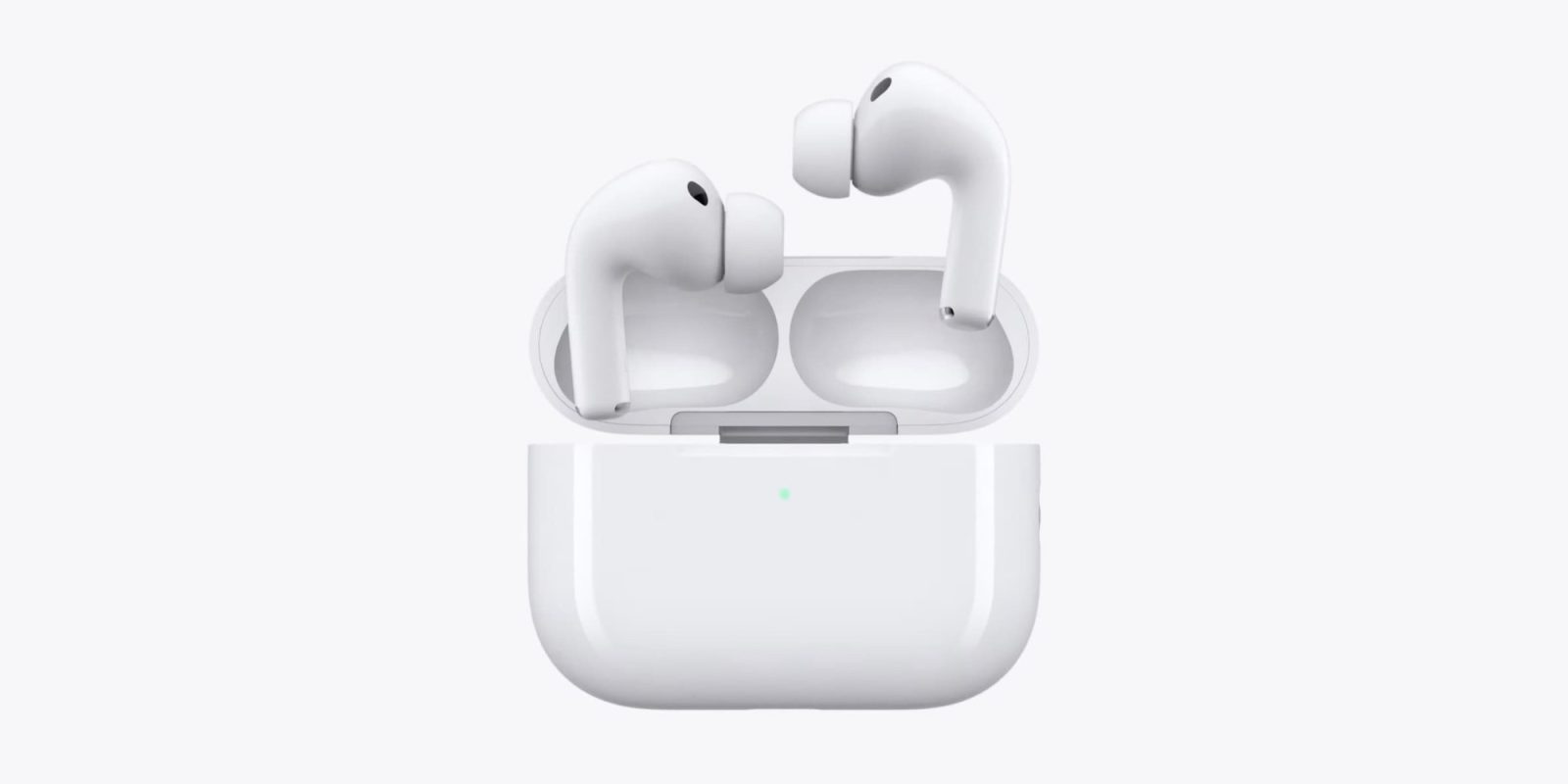
Camera-equipped AirPods reportedly won’t launch in 2026, despite demo video leak
 ↗
↗
Apple’s camera-equipped AirPods are now expected to launch in 2027, despite a leaked demo video suggesting an earlier release.
The leak originated from a macOS 26.7 Release Candidate that inadvertently included a demo of Visual Intelligence running on the AirPods hardware. Engineers should note that the cameras are low-resolution sensors intended for environmental scanning to aid Siri, not for photo or video capture, which affects privacy considerations and potential use cases.
Written by elseif from the cluster below · every claim links back to a sourceThe three things worth knowing
Apple internally developed two camera-AirPods variants: B798 (new generation) and B790 (modified AirPods Pro 3).
The B790 version appears in iOS 27 code and was on the internal roadmap for a possible 2026 debut before being shifted to 2027.
Despite the leaked demo, Bloomberg reports the camera AirPods effort remains on track for a 2027 launch, with privacy concerns persisting over the low-resolution sensors.
THE READ
What the cluster adds up to.
The demo video that appeared in the macOS 26.7 Release Candidate showed Visual Intelligence running on camera-equipped AirPods hardware. That leak suggested an imminent release, but Bloomberg’s Mark Gurman notes the project remains scheduled for 2027. The earlier internal roadmap had placed the B790 variant for a 2026 debut, which has now been moved. This shift indicates that product challenges are still being resolved before launch.
Apple is developing two distinct camera-AirPods efforts under the code names B798 and B790. The B798 effort represents a new generation of AirPods Pro that also includes cameras. The B790 effort modifies the existing AirPods Pro 3 design by adding sensors and AI capabilities. References to B790 have already surfaced in iOS 27 code, indicating a more advanced internal status.
The cameras described in the leak are low-resolution sensors that do not capture photos or video. Their purpose is to scan the surrounding environment and provide context to Siri and other AI tools. For engineers, this means the hardware can support situational awareness features but not imaging-based applications. Consequently, any use case requiring high-resolution visual input would not be feasible with this iteration.
Privacy concerns have arisen from users who fear the devices could be used for covert recording, a criticism Gurman references. Apple’s positioning of the sensors as low-resolution and non-imaging aims to mitigate those worries. Addressing these concerns may require additional software safeguards and clear user communication, adding to development cost. Until those measures are in place, widespread adoption could be limited by trust issues.
Written by elseif from the cluster below · checked for specifics the sources never containedTHE CLUSTER