TECH Signal 372
Satellite dishes cannot receive terrestrial TV broadcasts, but their mounts and coax can support OTA antennas
 ↗
↗
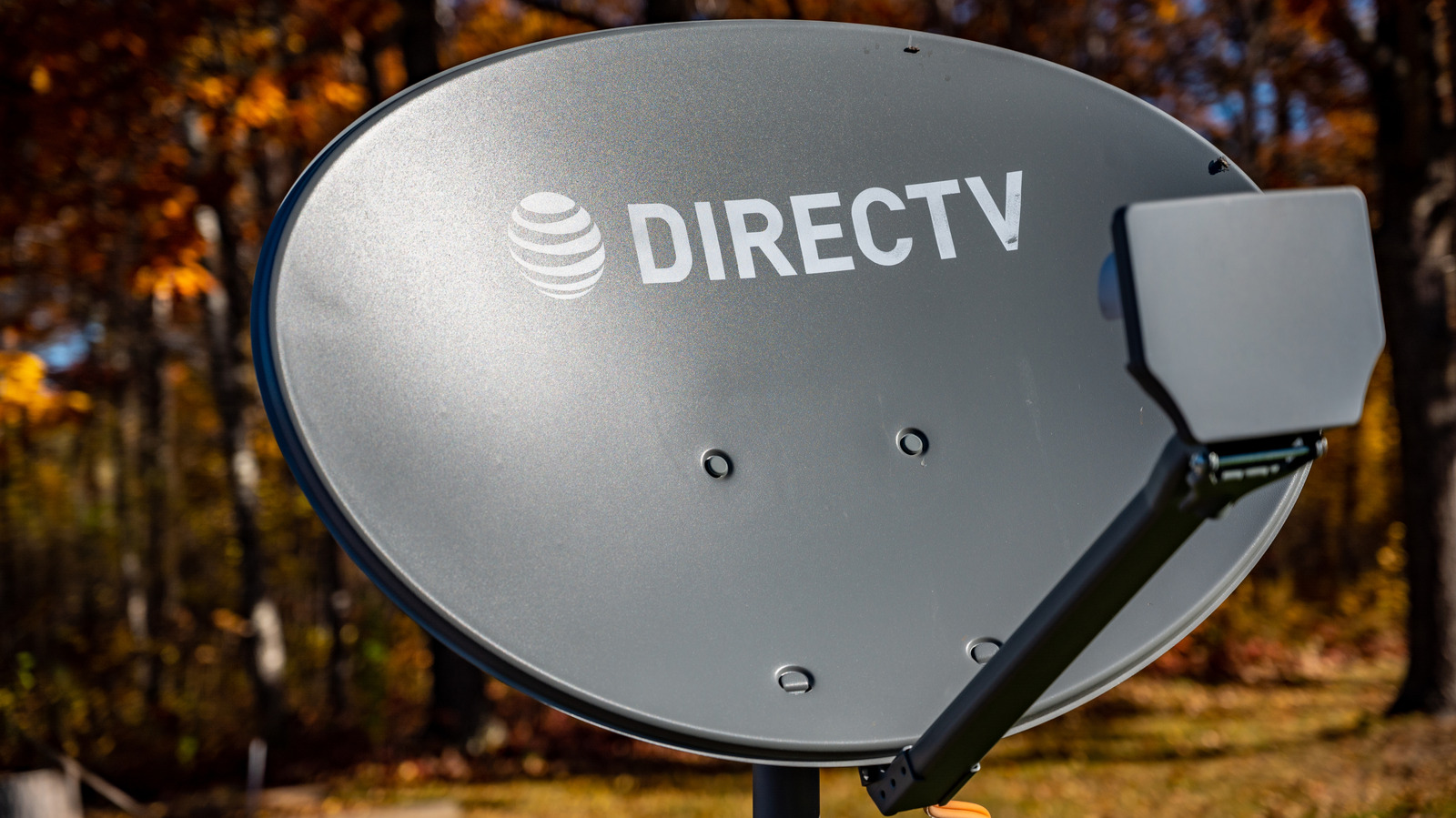
A satellite dish cannot receive terrestrial VHF and UHF TV signals, but its mounting pole and coaxial cable can be repurposed for a proper outdoor antenna.
Repurposing existing satellite installation hardware can save time and effort when adding an outdoor OTA antenna. However, the dish itself is useless for local broadcasts, and free-to-air satellite TV viability depends entirely on your geographic region.
Written by elseif from the cluster below · every claim links back to a sourceThe three things worth knowing
A satellite dish reflector and LNB are designed for space signals and cannot meaningfully receive terrestrial VHF or UHF broadcasts.
The existing mounting pole and coaxial cable can be reused for an outdoor OTA antenna, provided satellite-specific splitters are removed.
In regions like the UK, free-to-air satellite services like Freesat allow existing dish installations to receive over 100 channels.
THE READ
What the cluster adds up to.
A satellite dish cannot be used as a terrestrial TV antenna because its curved reflector and low-noise block downconverter (LNB) are designed to focus high-frequency signals from space, not the lower-frequency VHF and UHF signals used by local broadcast towers. Attaching a conventional terrestrial antenna to the dish reflector does not improve reception because the reflector's geometry does not align with terrestrial signal paths. The only usable parts of the installation are the mounting pole and the existing coaxial cable, which can support a proper outdoor antenna if positioned correctly relative to local towers. Any satellite-specific splitters or diplexers in the cable run must be removed to allow the terrestrial signal to pass through.
The utility of an old satellite dish depends heavily on geography. In the US, free-to-air satellite programming exists on satellites like Galaxy 19 at 97.0°W, but it requires specific dish, LNB, and receiver hardware and primarily targets multicultural and faith-based viewers rather than mainstream local channels. Conversely, in the UK, subscription-free satellite television services like Freesat offer over 100 channels, and existing installations, including Sky Q and Sky+, can often be reused. However, the specific LNB attached to the dish may limit features such as simultaneous recording, and not all old installations are guaranteed to be compatible.
For most users seeking local mainstream television in the US, installing a dedicated over-the-air antenna remains the simpler and more reliable path. While a smart TV with a built-in tuner can decode OTA television, it still requires a proper antenna to provide the signal. Terrain, nearby buildings, and antenna height all impact digital TV reception, making outdoor antennas generally superior to indoor ones. Repurposing the existing coaxial cable and mounting pole from a discarded satellite dish can reduce the installation effort for a new outdoor antenna, but the dish itself should be replaced rather than adapted.
Written by elseif from the cluster below · checked for specifics the sources never containedTHE CLUSTER