TECH Signal 417
Breakthroughs in Cancer Vaccines and Anti-Aging Treatments Reportedly Transform Biomedicine
 ↗
↗
Research in cancer vaccines and anti-aging treatments is advancing rapidly, promising significant improvements in health outcomes.
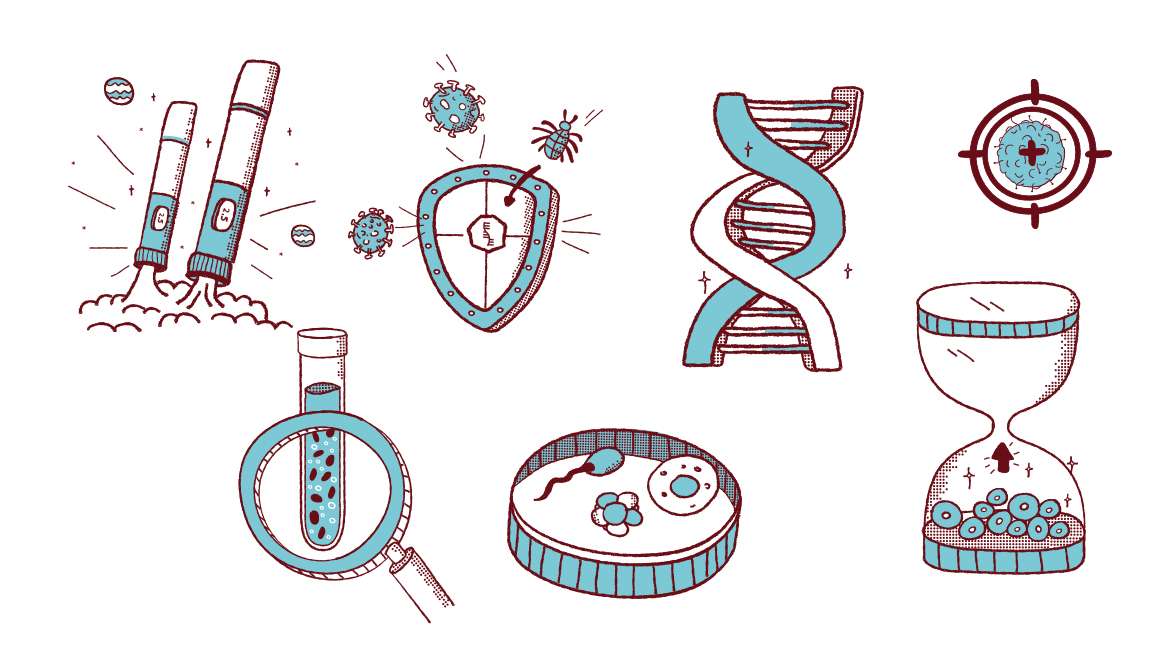
This wave of biomedical advances could lead to more effective cancer treatments and improved quality of life as aging populations seek solutions to age-related diseases. The developments in mRNA vaccines and gene editing techniques represent a shift in how we approach treatment strategies, potentially reducing the burden of chronic diseases.
Written by elseif from the cluster below · every claim links back to a sourceThe three things worth knowing
Therapeutic mRNA vaccines are being developed to enhance the immune response against cancers.
Research on Yamanaka factors may provide insights into reversing cellular aging.
A new preventive cancer vaccine trial shows promise in preventing pancreatic cancer in genetically predisposed patients.
THE READ
What the cluster adds up to.
The advances in cancer vaccines, particularly those that utilize mRNA technology, represent a significant shift in treatment paradigms. These vaccines are designed to activate the immune system to specifically target cancer cells, which could lead to better patient outcomes compared to traditional therapies. The reported success in preliminary trials offers hope for more effective cancer prevention and treatment strategies.
In addition to cancer vaccines, the exploration of Yamanaka factors indicates a potential pathway to reverse aging at the cellular level. By reprogramming old cells, researchers aim to mitigate age-associated diseases, which could revolutionize geriatric medicine. However, practical applications in humans will require extensive research and ethical considerations.
The combination of these breakthroughs highlights the growing integration of molecular biology in clinical applications. As these therapies advance through clinical trials, the associated costs and regulatory hurdles will be critical factors in their adoption. Moreover, the implications for healthcare systems and patient management strategies are profound, as they may significantly alter treatment landscapes for chronic conditions.
Written by elseif from the cluster below · checked for specifics the sources never containedTHE CLUSTER