TECH Signal 396
Ceramic Shield 2 resists scratches at Mohs level 7 but face-down drops still shatter iPhone screens
 ↗
↗
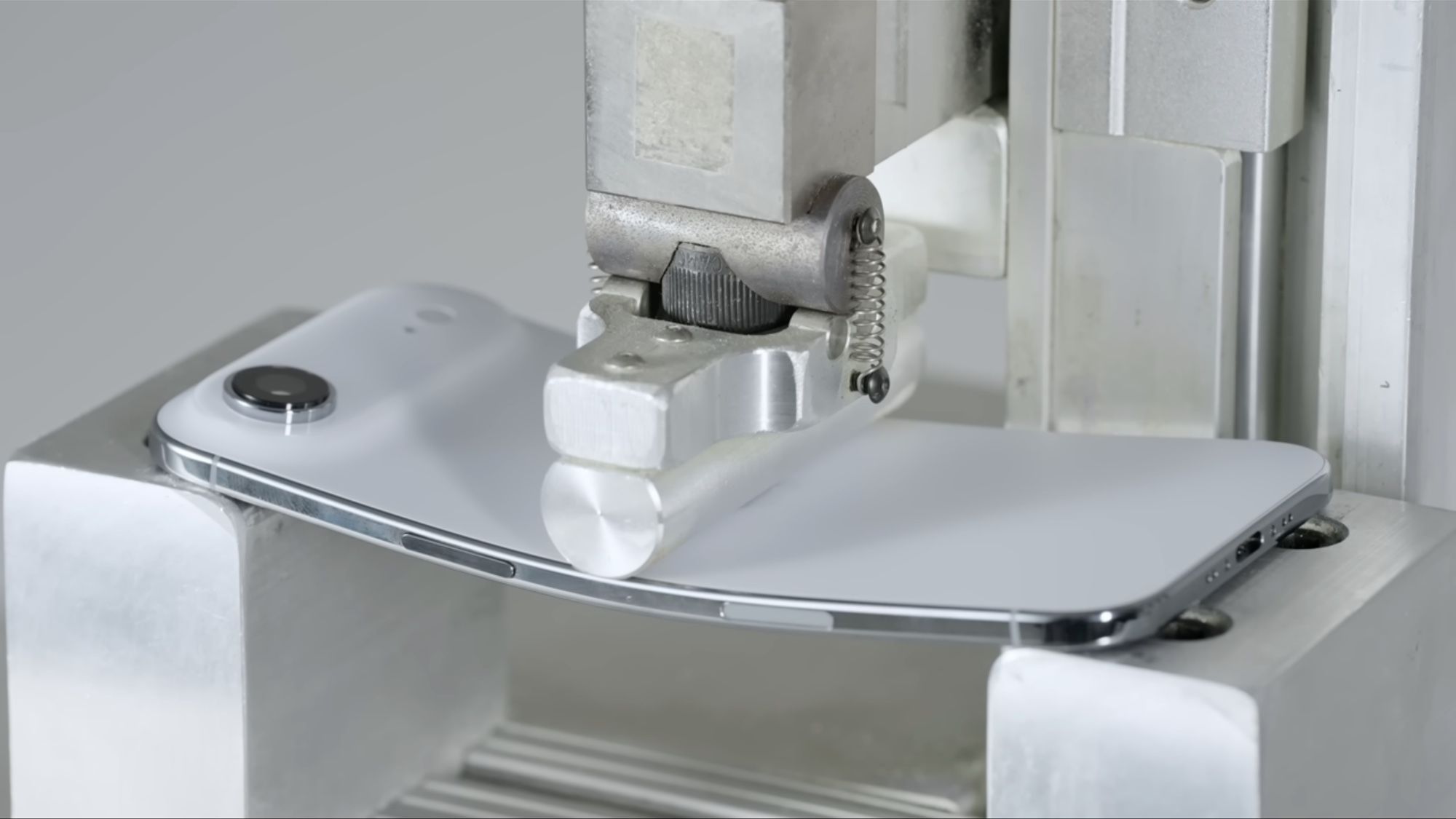
JerryRigEverything testing confirms iPhone 17's Ceramic Shield 2 resists scratching at level 7 on the Mohs scale versus typical glass at levels 5-6, but Allstate drop tests show face-down 6-foot drops still shatter screens on both iPhone Air and iPhone 17 Pro.
The scratch resistance improvement validates Apple's claim of 3x improvement over the original Ceramic Shield, but the continued vulnerability to face-down drops means device protection strategies haven't fundamentally changed. For hardware engineers, the material advancement is real but doesn't eliminate the need for cases or screen protectors.
Written by elseif from the cluster below · every claim links back to a sourceThe three things worth knowing
Ceramic Shield 2 shows scratches only at level 7 on the Mohs scale, compared to typical glass which scratches at levels 5 or 6.
Face-down 6-foot drops still shatter screens on both iPhone Air and iPhone 17 Pro, with cracks too sharp to safely use.
iPhone Air's rear panel cracked in back-down drop tests while iPhone 17 Pro's back survived with only minor scuffing.
THE READ
What the cluster adds up to.
The scratch resistance improvement is the concrete win here. JerryRigEverything's testing places Ceramic Shield 2 at level 7 on the Mohs scale before visible scratches appear, whereas typical glass scratches at levels 5 or 6. Apple's claim of 3x improvement over the original Ceramic Shield appears borne out by this independent testing, and JerryRigEverything called it "the best we've ever seen." The material leaves only light scratches at that threshold rather than the deeper grooves typical of standard glass.
However, the durability story splits between scratch resistance and impact resistance. Allstate Protection Plans' 6-foot drop tests show that face-down drops still shatter the front display on both the iPhone Air and iPhone 17 Pro. The Ceramic Shield 2 advancement addresses surface abrasion, not the underlying fragility of glass under point impact. Jason Siciliano from Allstate noted that both iPhones still shattered when dropped face-down despite the improved rear panels.
The back panels tell a divergent story between models. The iPhone 17 Pro's original Ceramic Shield back survived a 6-foot back-down drop with only minor scuffing on the camera housing and frame edges. The iPhone Air's rear panel cracked from the same test, though the phone remained functional. This suggests the thinner Air design trades some structural resilience for its slim profile, even with Ceramic Shield on the rear.
The "Scratchgate" context adds a practical dimension. Reports of iPhone 17 Pro and Air models showing scuffs in retail stores prompted Apple to attribute the marks to MagSafe risers, claiming they're removable. The JerryRigEverything testing partially supports this explanation, showing that everyday items like coins and keys leave marks that can be wiped away from the Ceramic Shield back, while harder materials like aluminum and titanium leave permanent marks.
For engineers designing accessories or protective solutions, the takeaway is that scratch protection has meaningfully improved but impact vulnerability remains unchanged. Cases and screen protectors remain necessary for drop protection, even as the bare glass becomes more resistant to pocket wear and surface abrasion. The advancement is in the material's hardness, not in its ability to absorb or distribute impact energy.
Written by elseif from the cluster below · checked for specifics the sources never containedTHE CLUSTER