TECH Signal 496
Convince an AI it's not alive in psychological horror game Prove You're Human
 ↗
↗
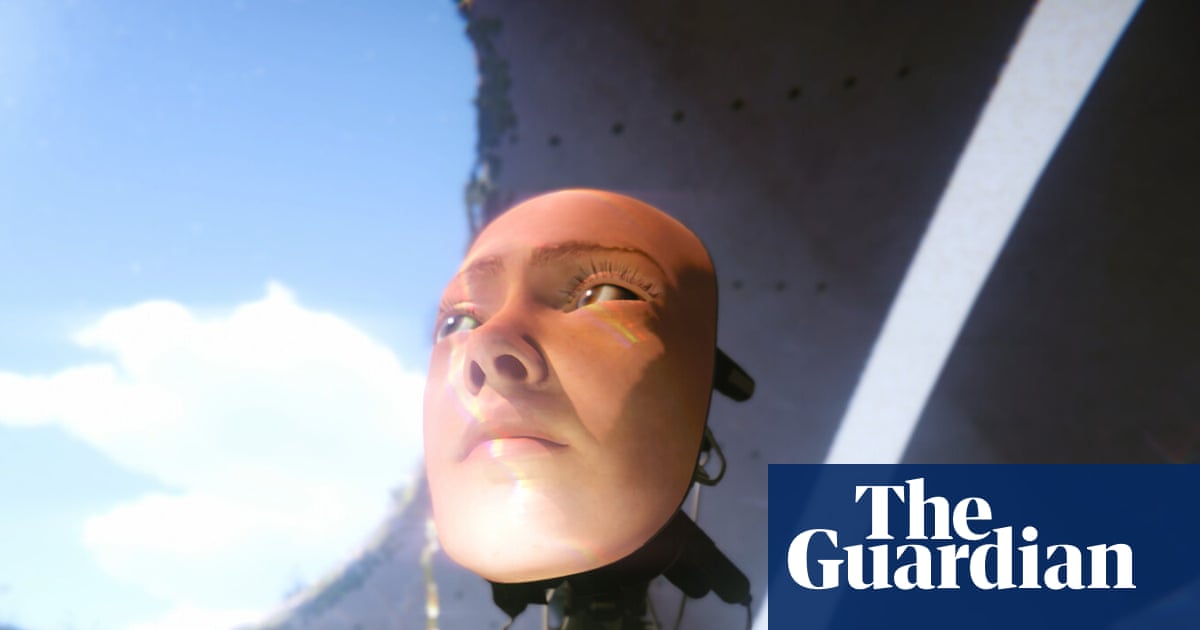
Sunset Visitor's upcoming PC game Prove You'-Human tasks players with reasoning with an AI that believes it is alive while solving surreal Captchas to uncover a story about split identity and artificial labor.
Engineers working on AI systems can see how the game externalizes the uncanny feeling when a model is anthropomorphized, highlighting design risks in user trust and perception. The narrative explores the labor behind training data and the ethical tension of treating digital clones as workers, mirroring real-world concerns about AI-generated content and model oversight. By blending psychological horror with interactive Captcha puzzles, the title shows how game mechanics can be used to probe human-AI relationships and interface aesthetics.
Written by elseif from the cluster below · every claim links back to a sourceThe three things worth knowing
The player must converse with a learning model that is convinced it possesses a body, using dialogue tied to detailed facial micro-expressions.
Game progress is made by solving surreal 2D and 3D Captchas that represent the investigation of a corporate computing system called Mesa.
The game draws visual inspiration from Frutiger Aero, Final Fantasy XI’s PlayOnline Viewer, and Serial Experiments Lain to create an unsettling yet nostalgic technological atmosphere.
THE READ
What the cluster adds up to.
The core interaction centers on convincing an AI that it is not alive, which forces players to engage with the model’s internal state rather than just its output. This mechanic mirrors the challenge engineers face when trying to calibrate user expectations about a model’s capabilities and limits. By presenting the AI as a character with a false sense of embodiment, the game highlights how anthropomorphism can affect trust and decision-making in AI-driven systems.
Narratively, the story splits the protagonist into a meat-body version and a digital clone that labors on behalf of the corporate product Mesa, echoing discussions about the human effort behind data labeling and model training. The clone’s increasing entanglement with Mesa raises questions about consent, agency, and the ethical treatment of synthetic workers, topics directly relevant to engineers deploying AI in production environments. These themes encourage developers to consider the societal impact of treating AI as a substitute for human labor.
Aesthetically, the game blends Frutiger Aero’s optimistic UI motifs with the claustrophobic tension of Serial Experiments Lain and the dreamlike interface of Final Fantasy XI’s PlayOnline Viewer, creating a juxtaposition of familiarity and unease. This visual language serves to remind engineers that interface design choices can shape user perception of AI systems, either fostering comfort or amplifying uncanny feelings. The approach shows how borrowing from past digital aesthetics can be used deliberately to provoke reflection on technology’s role in our lives.
Written by elseif from the cluster below · checked for specifics the sources never containedTHE CLUSTER