INFRA Signal 451
CoreWeave extends Nvidia A100 GPU contracts to 2029 despite nine-year-old silicon remaining profitable
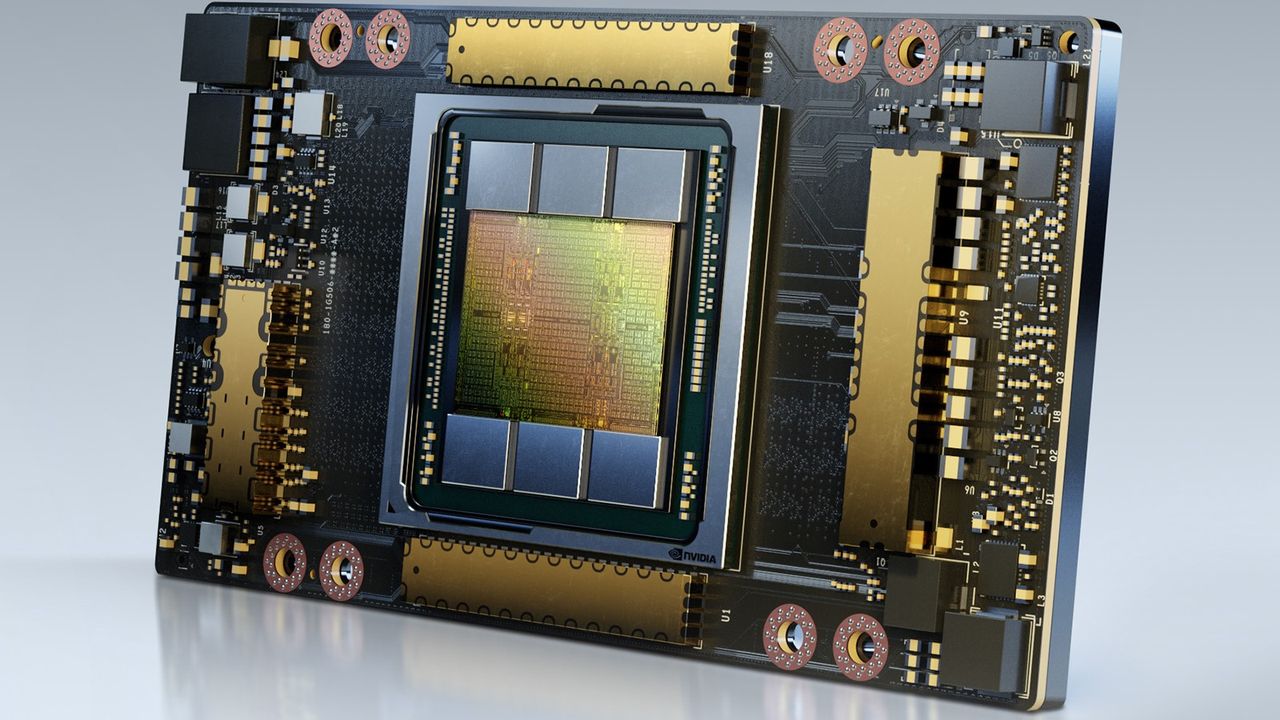 ↗
↗
CoreWeave signed contracts for Nvidia A100 GPUs through 2029, extending their profitable lifespan beyond typical depreciation schedules.
This challenges assumptions about rapid GPU obsolescence in AI infrastructure. It also highlights how legacy data center constraints and power costs can make older hardware economically viable longer than expected.
Written by elseif from the cluster below · every claim links back to a sourceThe three things worth knowing
CoreWeave reported $2.58 billion in quarterly revenue, a 112% year-over-year increase, with a $104 billion backlog.
A100 GPUs from 2020 remain profitable due to power and infrastructure constraints in legacy data centers.
Newer Nvidia GPUs require liquid cooling and higher power delivery, making older air-cooled systems more cost-effective for certain workloads.
THE READ
What the cluster adds up to.
CoreWeave’s decision to extend contracts for Nvidia A100 GPUs until 2029 demonstrates that older AI hardware can remain economically viable far beyond typical depreciation cycles. The company’s earnings call revealed that pricing for prior-generation GPUs has held steady or even increased, defying expectations of rapid obsolescence. This suggests that the AI infrastructure market is not solely driven by the latest silicon but also by operational constraints and cost efficiency in existing data centers.
The profitability of aging GPUs is tied to legacy data center limitations. Older A100 systems draw significantly less power (6.5kW per rack) compared to newer Blackwell GPUs (120kW, 140kW), which require liquid cooling and upgraded power infrastructure. Since many data centers lack the capacity to support high-power, liquid-cooled racks, older air-cooled systems remain the only viable option for certain workloads. This creates a niche where nine-year-old hardware can still command premium pricing.
CoreWeave’s backlog and power commitments further underscore the demand for older GPUs. With 4.2 GW of contracted power but only 1.5 GW online, the company’s capacity constraints mean that even legacy hardware is fully utilized. The limited share of capacity up for renewal also indicates that older-generation GPUs are not being phased out quickly, as their pricing remains competitive. This trend may pressure hyperscalers to reconsider depreciation schedules and GPU refresh cycles.
The broader implications for AI infrastructure are significant. While newer GPUs offer performance advantages, the cost and complexity of deploying them at scale may delay adoption. Companies like CoreWeave are proving that older hardware can still generate revenue, particularly in markets where power and cooling constraints limit upgrades. This could lead to a more segmented AI infrastructure landscape, where legacy and cutting-edge systems coexist based on workload requirements and facility capabilities.
Written by elseif from the cluster below · checked for specifics the sources never containedTHE CLUSTER