TECH Signal 481
Critic argues self-playing games automate core gameplay loops in favor of dopamine-driven upgrades
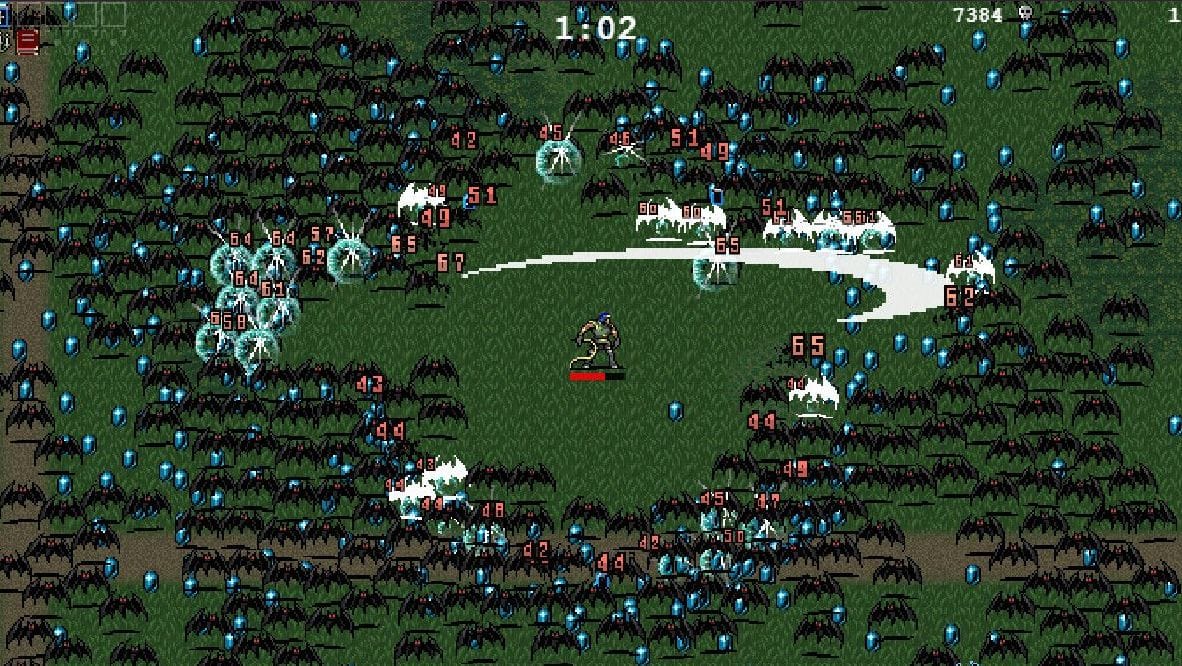 ↗
↗
A games journalist contends that titles like Vampire Survivors replace player agency with automated mechanics and incremental progression systems.
This trend shifts game design from skill-based interaction to passive reward structures, potentially altering expectations for player engagement. Engineers working on game mechanics or UI systems may need to weigh automation against preserving meaningful player input.
Written by elseif from the cluster below · every claim links back to a sourceThe three things worth knowing
Self-playing games like Vampire Survivors automate core actions (e.g., shooting) while emphasizing upgrade choices over micro-decisions.
Critics argue this approach prioritizes dopamine-driven progression over traditional gameplay feel and player skill.
The trend risks homogenizing genres by replacing genre-defining mechanics with incremental systems.
THE READ
What the cluster adds up to.
The article identifies a pattern in modern game design where core gameplay loops, such as shooting in bullet-hell games or brick-breaking in arcade titles, are automated. Instead of requiring player input for these actions, games like *Vampire Survivors* and *Ball X Pit* handle them internally, reducing the player’s role to selecting upgrades or managing resources. This shift moves the focus from skill-based interaction to passive progression, where the primary challenge is optimizing a meta-layer of abilities rather than executing real-time decisions.
For engineers, this trend raises questions about the trade-offs between accessibility and depth. Automating core mechanics can lower the barrier to entry, making games more approachable for casual players. However, it may also erode the nuanced feedback loops that define genres like shooters or puzzle games. The article suggests that some genres derive their identity from micro-decisions, e.g., aiming in *Devil Daggers* or block placement in *Tetris*, and automating these could strip away what makes them compelling. Developers may need to consider whether automation enhances or undermines the intended experience.
The critique highlights a tension between game design efficiency and player agency. Automated mechanics allow designers to sidestep the complexity of crafting responsive controls or balanced difficulty curves, instead relying on incremental systems to sustain engagement. While this can streamline development, it risks creating a homogenized experience where games across genres feel interchangeable. Engineers working on game systems or UI may need to evaluate whether automation serves the game’s core vision or merely replicates the dopamine-driven structures of idle games.
The article’s argument extends beyond niche titles, warning of a broader industry shift toward idlefication. If automation becomes the default for genres traditionally built on player skill, it could redefine expectations for what games are. For engineers, this means weighing the long-term consequences of design choices: Does automating a mechanic preserve the spirit of the genre, or does it pave the way for further erosion of player agency? The answer may shape how future games are built and experienced.
Written by elseif from the cluster below · checked for specifics the sources never containedTHE CLUSTER