TECH Signal 448
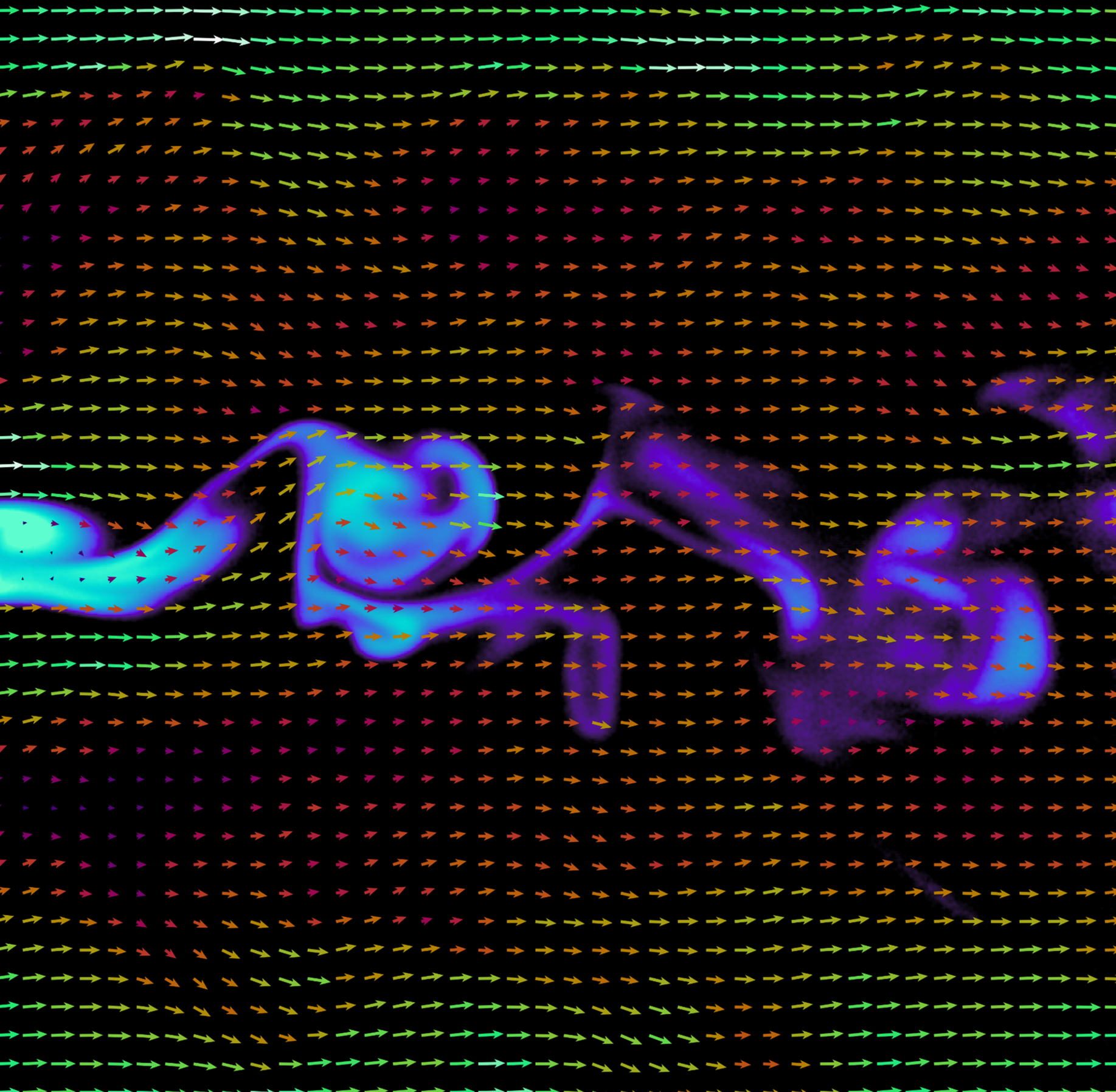
Study identifies three ways wind turbulence transforms odor signals
 ↗
↗
A CU Boulder study published in PRX Life finds that turbulence filters, spreads, and generates frequencies in odor plumes, offering a physical basis for olfactory navigation.
Understanding how wind transforms odor signals could inform artificial systems for search and rescue or chemical leak detection. However, the study only covers the physical transformation step, not active sensing or neural processing, so practical applications remain distant. The findings also provide a framework for studying how animals interpret complex odor plumes.
Written by elseif from the cluster below · every claim links back to a sourceThe three things worth knowing
The study identified three ways turbulence transforms odor signals: filtering some frequencies, spreading others, and generating new ones.
Researchers used wind tunnel experiments with laser visualization and computer simulations to quantify these changes.
The work is part of the Odor2Action network and bridges physics with neuroscience, but it does not yet account for active sensing or neural processing.
THE CLUSTER