TECH Signal 387
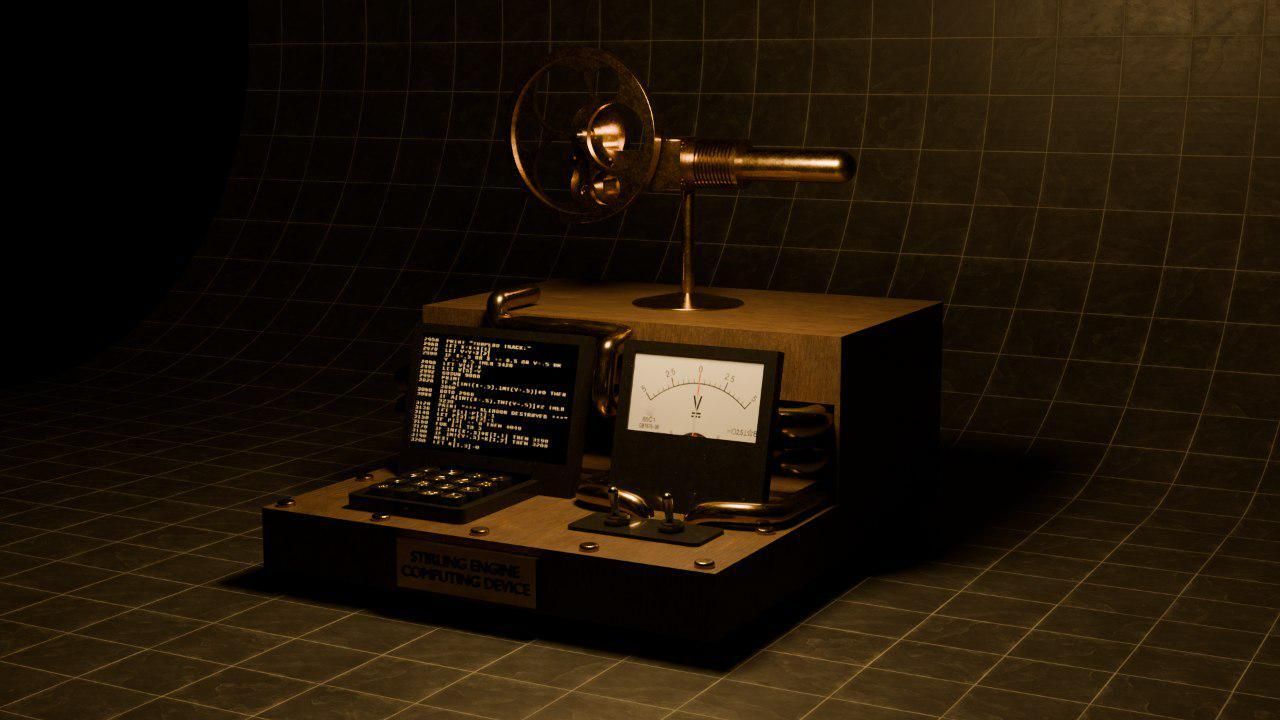
DIY modder creates 'heat engine computing device' powered by a Stirling engine, can run Tetris, Snake, and Pong — 80 MHz processor operates on just 150 milliwatts of power
 ↗
↗
A DIY builder created a wooden computing device powered by a miniature Stirling engine that runs retro games on an ESP32-C3 microcontroller within a 150 milliwatt power budget.
This project demonstrates the extreme end of low-power computing by running a functional microcontroller on thermal energy conversion rather than conventional power sources. The optimization techniques used, disabling wireless radios, dynamically scaling CPU frequency between 10 MHz and 80 MHz, and reducing screen brightness, show what's required when power budgets shrink by orders of magnitude. For engineers working on ultra-low-power or energy-harvesting applications, this is a working reference point for how little compute you can get away with.
Written by elseif from the cluster below · every claim links back to a sourceThe three things worth knowing
An ESP32-C3 microcontroller was made to run on just 150 milliwatts by disabling Wi-Fi/Bluetooth and dynamically scaling CPU frequency between 10 MHz idle and 80 MHz active.
The Stirling engine converts heat from a flame into mechanical energy, which spins a generator to produce electricity stabilized by small capacitors.
The system runs a custom CHIP-8 virtual machine capable of executing classic game ROMs and accepting hand-written opcodes via a built-in code editor.
THE CLUSTER