TECH Signal 78
Metadata Minder platform identifies common ancestors of inaccessible documents
 ↗
↗
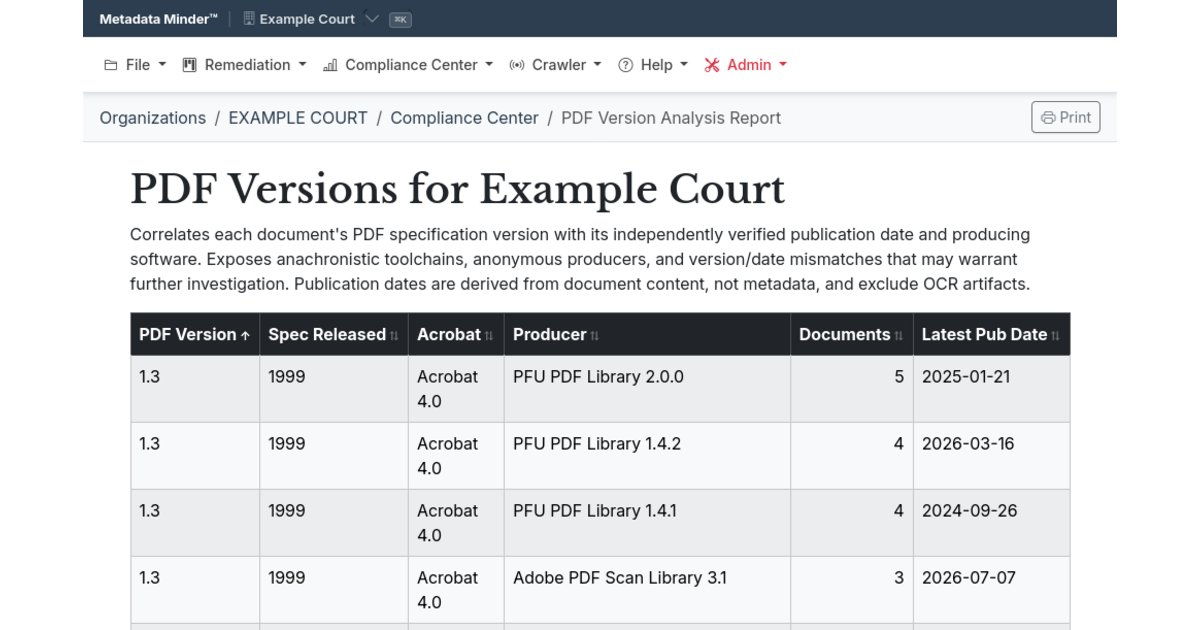
Rietta's Metadata Minder platform traces the origins of documents to enhance accessibility compliance.
This development addresses the persistent issue of document inaccessibility, often stemming from outdated workflows and templates. By identifying the common sources of these documents, organizations can implement more effective solutions for compliance with accessibility standards, ultimately benefiting both the public and the institutions involved.
Written by elseif from the cluster below · every claim links back to a sourceThe three things worth knowing
The Metadata Minder platform analyzes document metadata to identify accessibility deficiencies.
It highlights workflows and tools that produce inaccessible documents, enabling targeted remediation.
Organizations can implement accessible templates based on identified common sources to improve document compliance.
THE READ
What the cluster adds up to.
The introduction of the Metadata Minder platform represents a significant advancement in identifying the sources of inaccessible documents. By tracing document provenance, it reveals the underlying business processes and tools that contribute to non-compliance with accessibility standards like ADA/WCAG. This capability allows organizations to understand why certain documents continue to be produced in an inaccessible format.
Using this platform incurs costs related to implementing its findings, such as the need for staff training on newly identified workflows and the potential need to upgrade software used in document creation. Organizations may also need to invest in developing accessible templates and processes that align with modern standards, which can require both time and budget resources.
However, the effectiveness of this solution has limitations. It primarily addresses documents created through specific identified workflows and may not capture all instances of inaccessibility. For example, documents produced through ad-hoc processes or by individuals unaware of compliance standards may still elude detection. Therefore, while the platform is a step forward, it must be part of a broader strategy for achieving accessibility compliance.
The platform's focus on metadata and document analysis allows it to uncover patterns and commonalities among documents, which can be crucial for agencies that produce large volumes of paperwork. By highlighting the software and processes that lead to accessibility issues, it empowers organizations to make informed changes to their document creation practices, thus reducing the risk of ongoing compliance failures.
In conclusion, the Metadata Minder platform not only aids in identifying the sources of inaccessible documents but also encourages a cultural shift towards prioritizing accessibility in document production. As organizations recognize the importance of compliant documentation, they can enhance their reputation and service quality by ensuring that their outputs are accessible to all users.
Written by elseif from the cluster below · checked for specifics the sources never containedTHE CLUSTER