TECH Signal 603 2 feeds carried it
Scientists capture Cascadia subduction zone actively tearing apart beneath Pacific Northwest
 ↗
↗
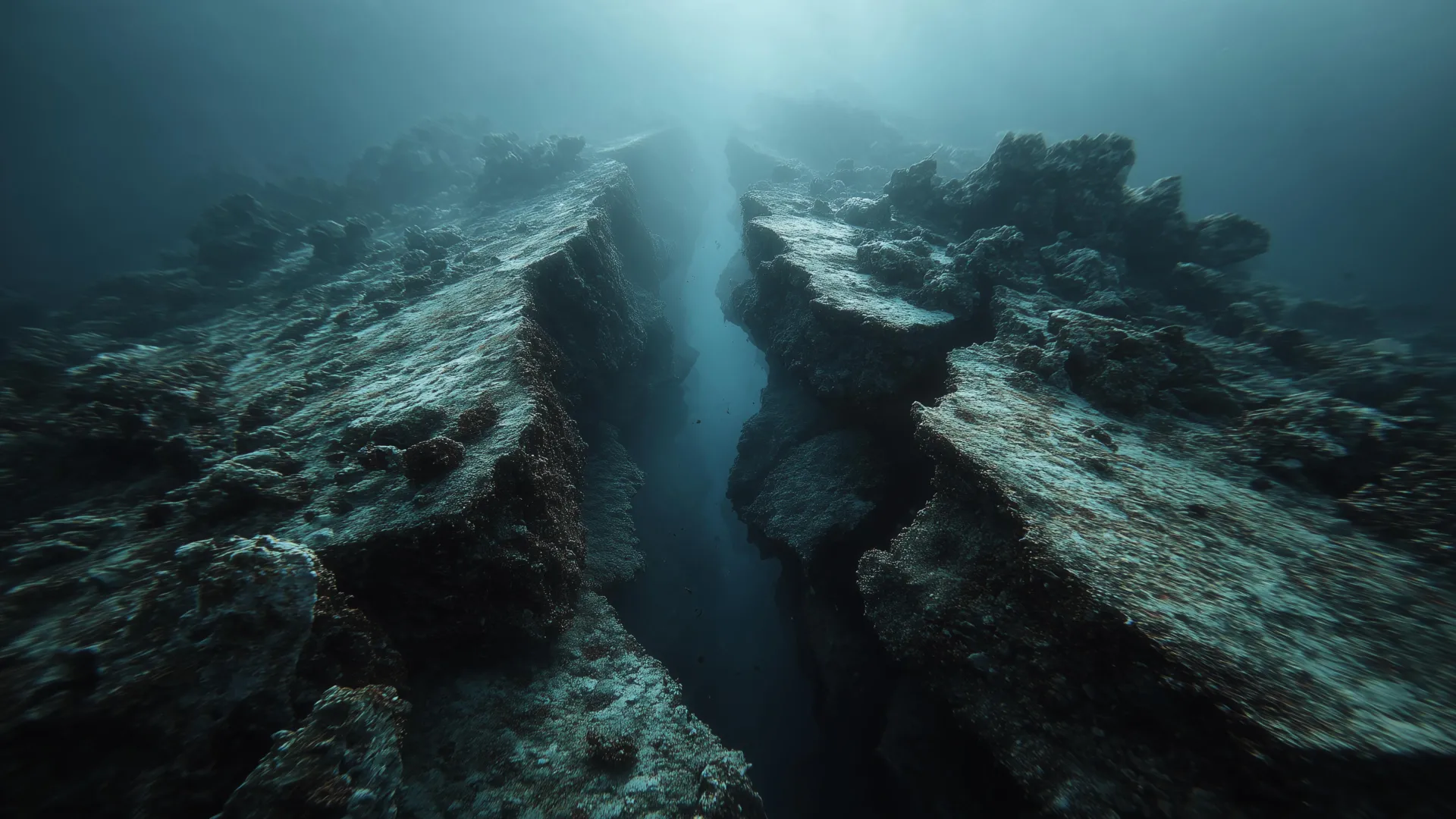
Researchers have observed the Cascadia subduction zone off Vancouver Island breaking into pieces, offering insights into tectonic plate behavior.
This discovery provides critical information about the life cycle of subduction zones, which are pivotal in understanding earthquake risks and geological changes. It may also help in predicting future seismic activity in the Pacific Northwest, enhancing preparedness for potential earthquakes.
Written by elseif from the cluster below · every claim links back to a sourceThe three things worth knowing
The Cascadia subduction zone is breaking apart, with researchers documenting the process in detail.
Seismic imaging reveals large faults and fractures, indicating a gradual disintegration of tectonic plates.
Earthquake activity varies along the tear, suggesting that some sections have already detached.
THE READ
What the cluster adds up to.
The new findings reveal that the Cascadia subduction zone is in the process of breaking apart, which challenges previous notions of how these geological systems fail. Instead of collapsing suddenly, this process involves a gradual disintegration, allowing for smaller microplates to form over time.
This research utilized advanced seismic imaging techniques, akin to medical ultrasounds, to analyze the subduction zone's internal structures. The study's insights into the active tearing of tectonic plates can significantly impact how scientists understand and predict seismic activity within the region.
The study highlights a 75-kilometer tear along the Juan de Fuca and Explorer plates, where some regions are still producing earthquakes while others have grown quiet. This duality in seismic activity suggests that certain sections have already detached, underlining the complex nature of tectonic interactions in the area.
Understanding this gradual process of plate disintegration is crucial for assessing the long-term geological stability of the Pacific Northwest. It will also inform preparedness strategies and risk assessments for potential earthquakes triggered by these tectonic changes.
Overall, the ongoing study of the Cascadia subduction zone may redefine geological models and enhance the understanding of tectonic plate dynamics, which has significant implications for engineering and infrastructure design in earthquake-prone regions.
Written by elseif from the cluster below · checked for specifics the sources never containedTHE CLUSTER