TECH Signal 227
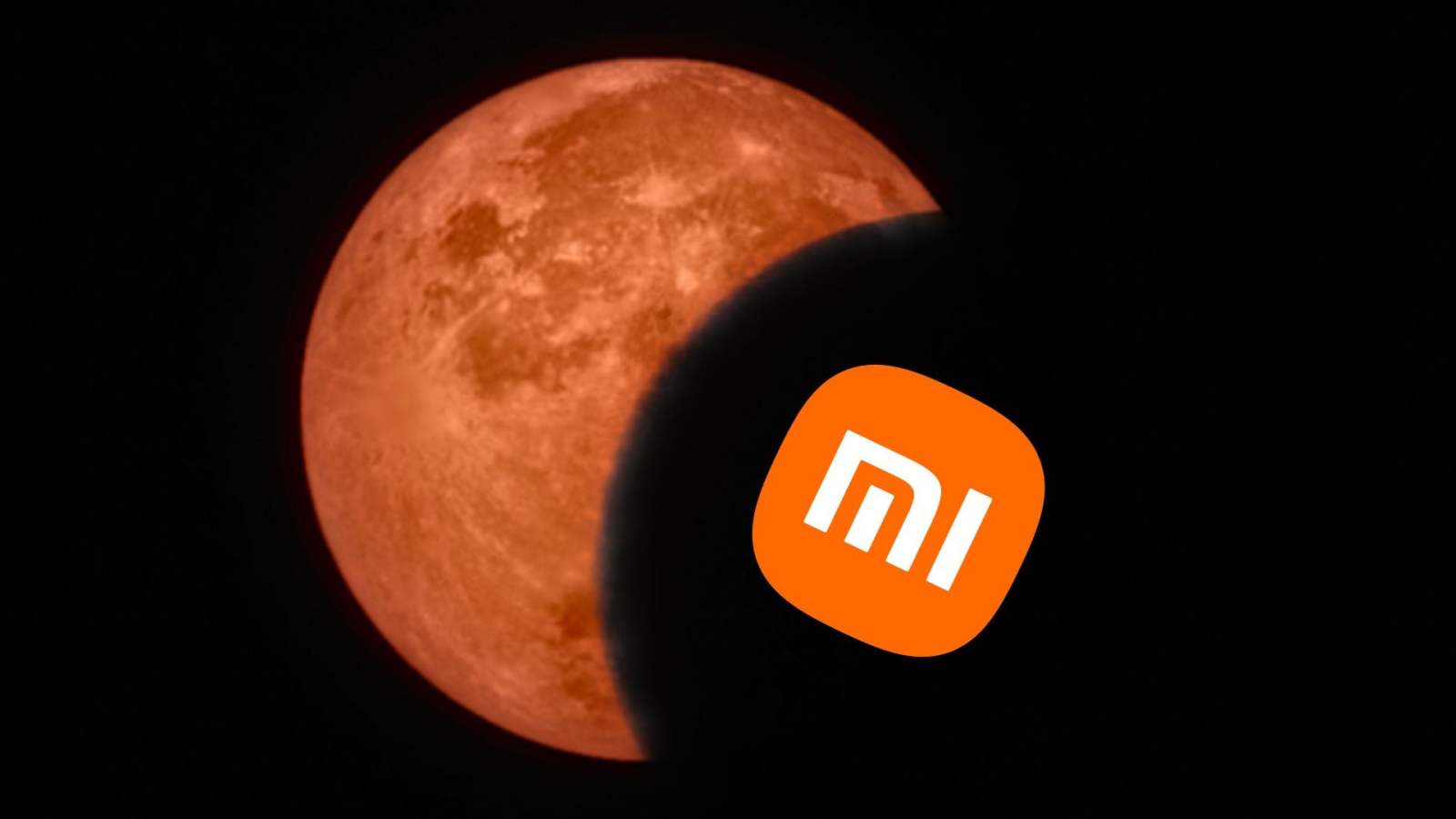
Xiaomi 17 Ultra AI applies lunar crater detail to eclipse photos of the Sun
 ↗
↗
During the August 12 eclipse, the Xiaomi 17 Ultra's camera AI mistakenly applied Moon-like surface details to photos of the Sun, exposing the computational photography trick smartphones use to enhance zoomed lunar shots.
The incident visibly demonstrates that high-zoom smartphone photography relies on AI reconstruction rather than optical capture, and that these systems can misfire when presented with unusual celestial conditions. For engineers working on computational imaging pipelines, it is a concrete case of an ML model over-applying its training distribution to an out-of-distribution input.
Written by elseif from the cluster below · every claim links back to a sourceThe three things worth knowing
The Xiaomi 17 Ultra applied crater and relief textures typical of Moon photos to the eclipsed Sun, confirmed by multiple users on social media.
Smartphone manufacturers use AI trained on Moon imagery to reconstruct details in telephoto zoom shots, a practice Samsung has also been criticized for.
Not all eclipse photos taken with the Xiaomi 17 Ultra exhibited the error, suggesting the misclassification is conditional on specific framing or zoom levels.
THE READ
What the cluster adds up to.
The Xiaomi 17 Ultra produced at least one eclipse photo where the Sun, appearing red-orange, was overlaid with craters, reliefs, and lines characteristic of lunar imagery. The publication Frandroid identified this as a failure of the AI-based enhancement that smartphone cameras apply when a telephoto lens is used at high zoom on the Moon. The system misidentified the eclipsed Sun as the Moon and applied its lunar detail reconstruction pipeline to the wrong celestial body.
This enhancement technique is not unique to Xiaomi. The article references a prior Samsung controversy around its Space Zoom mode, which similarly uses AI trained on Moon images to fabricate crater detail that the camera sensor cannot optically resolve at x100 or x120 zoom levels. The Xiaomi failure simply makes the mechanism unmistakable: the AI does not capture what the lens sees, it replaces it with a learned reconstruction, and in this case it triggered on the wrong target.
Multiple users on the social network X reported the same behavior, sharing photos where the Xiaomi 17 Ultra turned the solar eclipse into a Moon-like image. This corroboration indicates the misfire is reproducible rather than a one-off hardware fault. However, Frandroid notes that not every eclipse photo from the device exhibited the problem, which implies the AI pipeline activates only under certain zoom or scene-detection conditions that were met in some shots but not others.
For engineers building computational photography systems, the failure mode is a textbook example of an ML model applied outside its training distribution. The lunar-enhancement model was trained on Moon imagery and apparently lacks a guardrail to distinguish the Sun, even an eclipsed Sun, from the Moon. The cost of this particular shortcut is credibility: when the reconstruction is wrong, it is visibly wrong, and it exposes the gap between optical capture and algorithmic fabrication in a way that is hard to dismiss.
Written by elseif from the cluster below · checked for specifics the sources never containedTHE CLUSTER