TECH Signal 112
FCC allows Gulf state wealth funds to own nearly half of Paramount-Warner Bros.
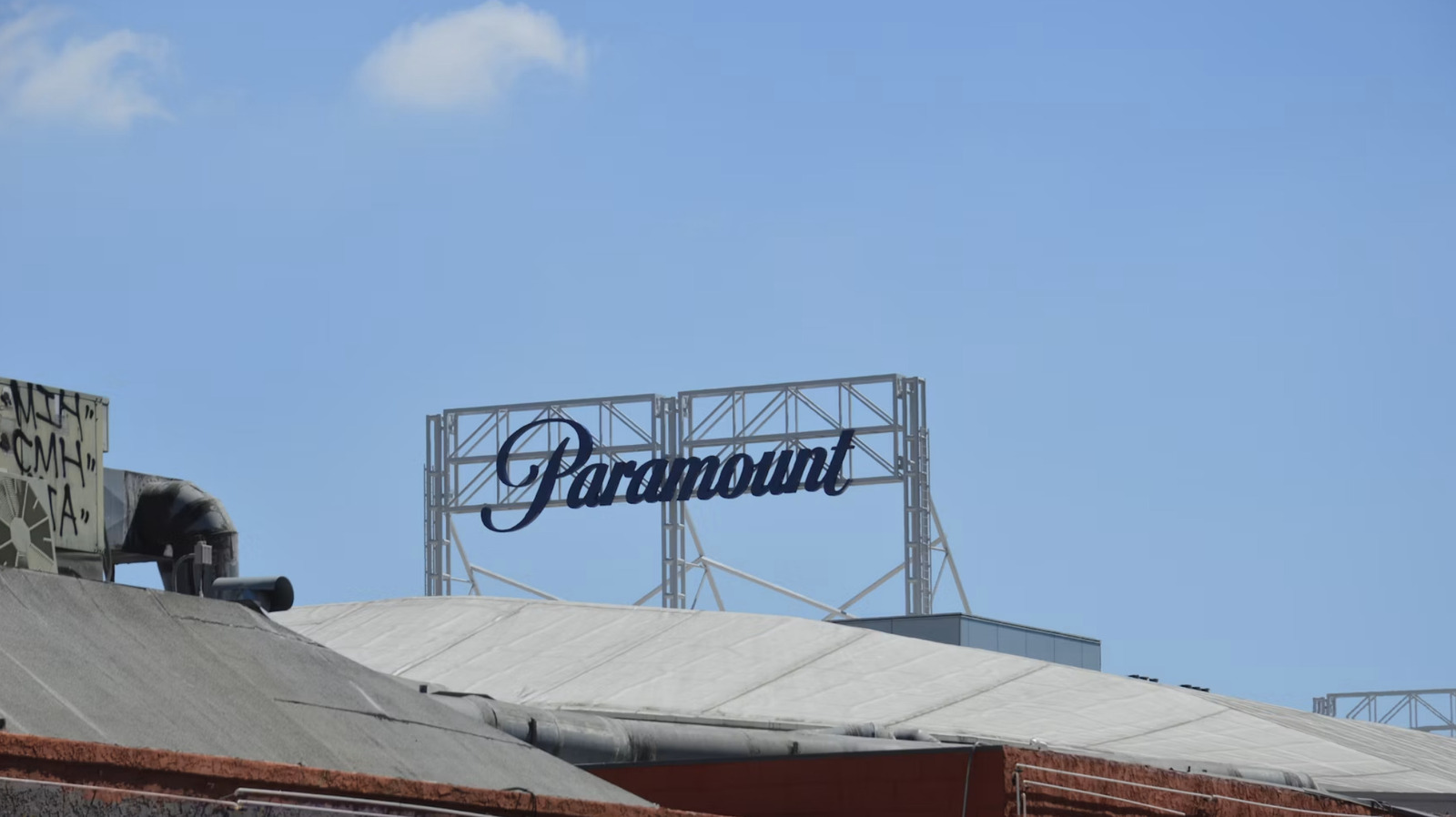 ↗
↗
Great news for the Ellisons and Saudi Arabia. Everyone else: not so much!
The FCC's decision raises concerns about foreign influence over U.S. media. Allowing nearly half ownership by foreign wealth funds could impact content and news reporting in significant ways. Critics argue this undermines media independence and could lead to propaganda.
Written by elseif from the cluster below · every claim links back to a sourceThe three things worth knowing
The FCC waived its own rules, allowing foreign ownership of up to 49.5 percent of Paramount-Warner Bros.
This decision comes despite concerns about influence from foreign governments over U.S. media content.
The merger is still subject to an antitrust suit, pending trial set for next March.
THE READ
What the cluster adds up to.
The FCC's recent decision permits Gulf state wealth funds to acquire nearly half of Paramount-Warner Bros., significantly exceeding the previous 25 percent foreign ownership limit. This change allows for a 49.5 percent stake by funds from Saudi Arabia, Qatar, and Abu Dhabi, which raises questions about the potential for foreign influence in U.S. media operations.
While the FCC claims that these funds will not have voting rights or control over company decisions, the sheer size of their investment may still grant them substantial influence. Critics argue that ownership alone can sway media narratives and public opinion, even without formal control over operations.
This ruling is part of a larger trend where regulatory bodies are relaxing foreign ownership rules, potentially leading to increased foreign influence in other sectors as well. The implications of such changes can create a precedent for further ownership stakes by foreign entities, complicating the landscape for domestic media.
The move has already sparked significant backlash from various advocacy groups and some lawmakers who view it as a threat to media independence. The ongoing antitrust lawsuit against the merger adds another layer of complexity, as it seeks to challenge the consolidation of media power into the hands of foreign interests.
As the trial date approaches, the outcome will not only determine the future of the Paramount-Warner Bros. merger but also set a critical precedent for how foreign investment in U.S. media is regulated. The implications of this ruling could resonate across the industry, affecting future mergers and acquisitions.
Written by elseif from the cluster below · checked for specifics the sources never containedTHE CLUSTER