TECH Signal 489
FCC moves to ban Lidar-equipped foreign drones from US
 ↗
↗
The FCC is proposing a retroactive ban on importing and selling foreign-made drones that include LiDAR or other listed capabilities, treating them as military-grade equipment.
Engineers who design, integrate, or operate drones will lose access to popular foreign models that rely on LiDAR for obstacle avoidance, forcing a shift to domestic alternatives or redesigns. Existing owners can keep their units, but spare-part availability and future firmware updates may disappear, affecting maintenance and long-term reliability.
Written by elseif from the cluster below · every claim links back to a sourceThe three things worth knowing
The FCC’s notice would strip FCC clearance from previously approved foreign drones that contain LiDAR, thermal imagers, heavy payloads, or swarm capabilities.
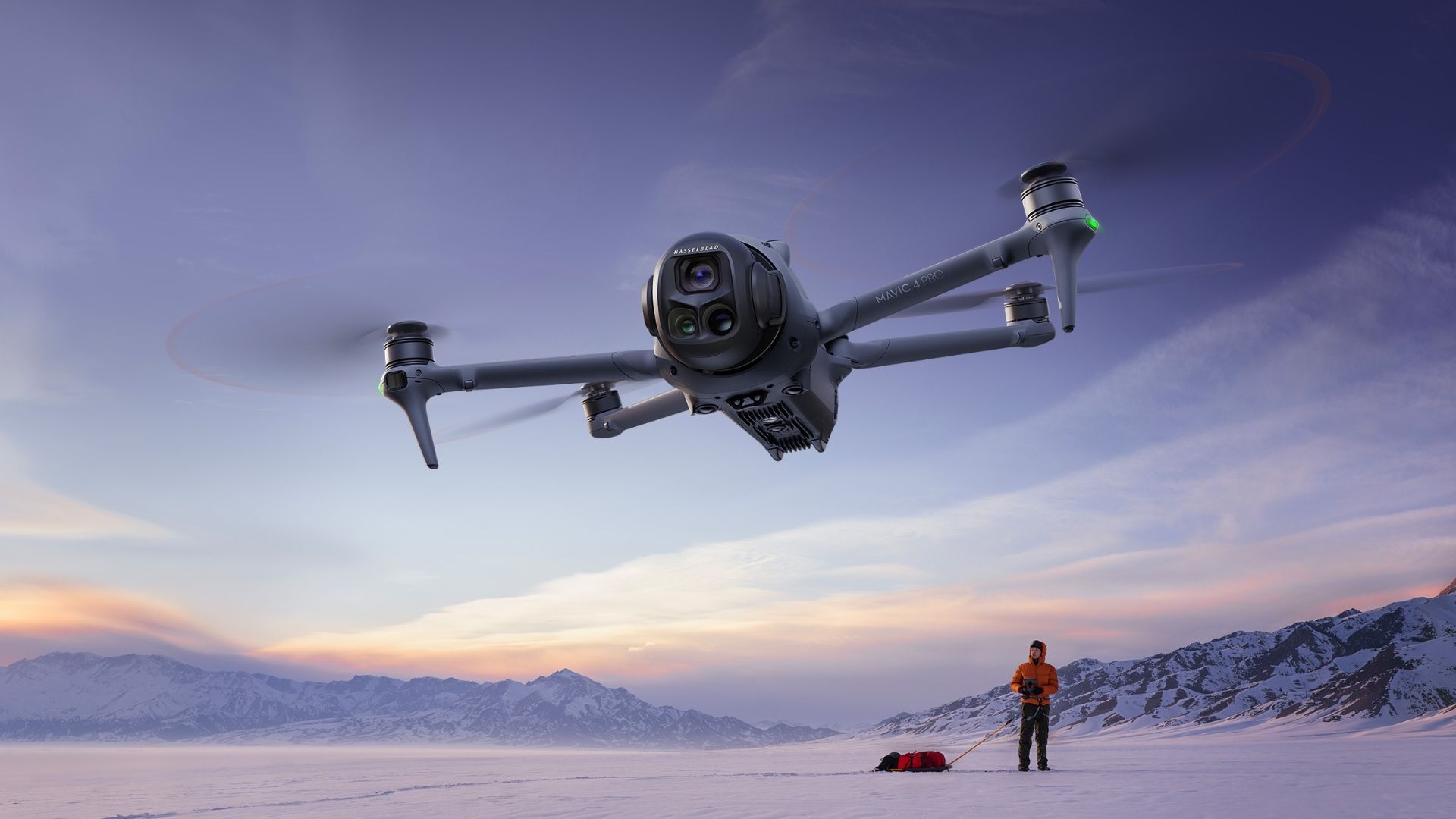
Models such as DJI’s Air 3S and Mini 5 Pro would no longer be importable or sellable in the United States, though current owners could still fly them.
U.S.-made drones are exempt, so manufacturers will need to source domestic hardware or redesign products to avoid the prohibited features.
THE READ
What the cluster adds up to.
The Federal Communications Commission issued a public notice that expands an earlier restriction on foreign drones by adding a clause that any device integrating LiDAR or other listed sensors is considered military-grade and therefore ineligible for import or sale. This move applies retroactively, meaning drones that previously cleared FCC authorization can lose that clearance if they fall under the new definition. The agency set a comment period that runs until early September and plans for the ban to become effective roughly six months after final publication.
For engineers and system integrators, the immediate effect is the loss of a supply chain for several high-profile consumer drones that use LiDAR for precise navigation. Popular models from a major foreign manufacturer would be removed from U.S. retail shelves, and new shipments would be blocked. Existing units can continue operating, but the notice warns that official spare parts may become scarce, potentially forcing owners to rely on third-party components or abandon maintenance.
The ban’s scope is broader than LiDAR alone; it also captures drones equipped with thermal imaging, agricultural spray systems, heavy payload capacities, docking stations, defense-related components, or coordinated swarm functionality. The language is deliberately wide, covering a range of capabilities that could appear in commercial, agricultural, or entertainment applications. Domestic drones that are not on the FCC’s Covered List are not affected, creating a clear regulatory divide between U.S. and foreign hardware.
From a development perspective, teams will need to audit any foreign-sourced drone or component for the listed features before procurement. If a product relies on LiDAR, engineers must either replace the sensor with an alternative that does not trigger the ban or switch to a U.S.-manufactured platform. This redesign incurs engineering effort, certification testing, and potentially higher component costs, while also requiring updates to software that expects LiDAR data streams.
The proposal follows a prior December action that added all foreign drones to a Covered List, effectively blocking new models but allowing previously cleared ones to continue. The current amendment seeks to close that loophole, and the agency frames it as a national-security measure, citing an executive determination of “unacceptable risk.” Legal challenges from affected manufacturers argue that the “military-grade” label mischaracterizes civilian safety features, indicating that the final outcome may still be contested.
Written by elseif from the cluster below · checked for specifics the sources never containedTHE CLUSTER