TECH Signal 501
Feds Target AI Critics as "Foreign Agents"
 ↗
↗
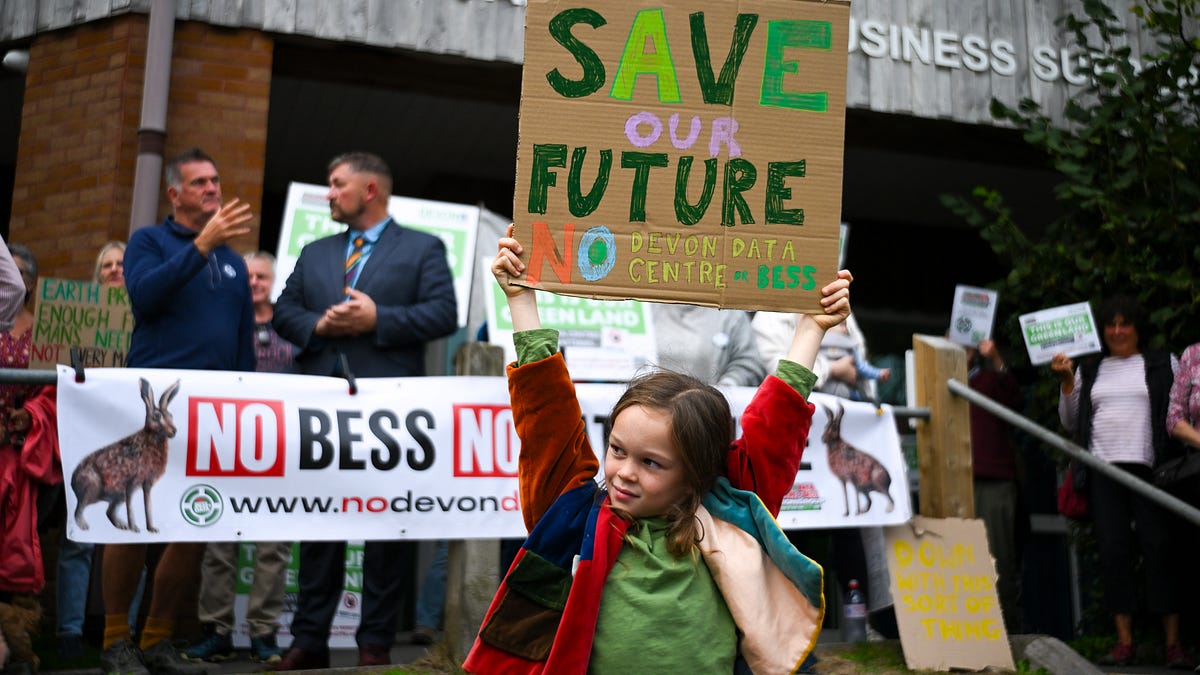
The Trump administration has reportedly accused AI critics of being foreign agents.
This is a significant escalation in the government's approach to AI criticism. Engineers who work on AI or data centers may face legal scrutiny for their public statements.
Written by elseif from the cluster below · every claim links back to a sourceThe three things worth knowing
The Trump administration has reportedly accused AI critics of being foreign agents.
The Justice Department has instructed citizens and noncitizens to notify the government if they engage in public activities that further foreign goals.
The administration has linked opposition to AI to foreign influence, specifically from China.
THE READ
What the cluster adds up to.
The Trump administration has reportedly taken a hard stance against critics of AI and data centers, accusing them of being foreign agents. This move is part of a broader effort to suppress public opposition to AI infrastructure, which the administration sees as crucial for national security. The Justice Department has issued instructions that could potentially criminalize public demonstrations against AI, raising concerns about freedom of speech and assembly.
The administration's focus on foreign influence in AI criticism is not new. Senate Intelligence Committee chairman Tom Cotton has previously requested investigations into foreign actors manipulating public opinion on data centers. The administration's latest actions build on this narrative, suggesting that any opposition to AI could be linked to foreign interference. This approach could make it difficult for engineers and activists to voice concerns about AI without facing legal repercussions.
The administration's strategy involves using national security as a justification for suppressing dissent. By framing AI criticism as a foreign influence operation, the administration can leverage existing laws and regulations to target critics. This could have a chilling effect on public debate about AI, as individuals may be reluctant to speak out for fear of being labeled as foreign agents. Engineers and researchers who work on AI may find themselves in a precarious position, as their public statements could be scrutinized for signs of foreign influence.
The administration's actions are part of a broader trend of using national security to justify restrictive policies. This approach has been used in various contexts, from immigration to surveillance, and now it appears to be extending to the realm of AI. The administration's focus on foreign influence in AI criticism is likely to continue, as it aligns with its broader agenda of promoting AI as a national security priority. Engineers and researchers who work on AI will need to navigate this complex landscape carefully, as their work could be caught up in the administration's efforts to suppress dissent.
The administration's strategy could have significant implications for the AI industry. By suppressing public opposition to AI, the administration could pave the way for more rapid development and deployment of AI technologies. However, this approach could also backfire, as it could fuel further criticism and resistance from those who feel that their voices are being silenced. Engineers and researchers who work on AI will need to be aware of these dynamics, as they could shape the future of the industry in significant ways.
Written by elseif from the cluster below · checked for specifics the sources never containedTHE CLUSTER