AI Signal 422
Othisis test-fires 5 kN fully cryogenic 3D-printed reusable rocket engine built with SLM printing
 ↗
↗
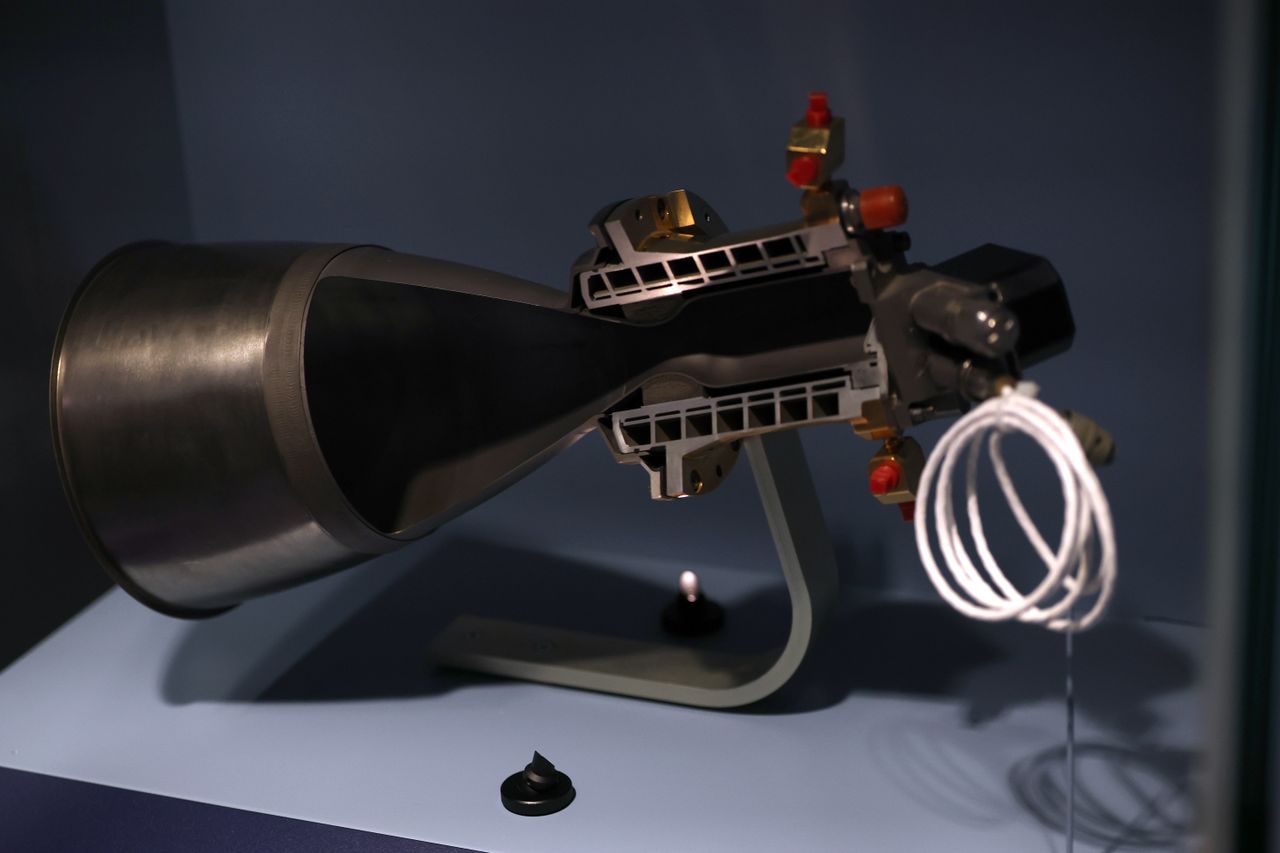
Bengaluru-based startup Othisis has successfully hot-fired a 5 kN fully cryogenic, 3D-printed rocket engine intended for a reusable VTVL hopper rocket.
This is a single-source report with no corroboration from other feeds, so the claims rest entirely on Tom's Hardware and the company's own announcement. If accurate, it shows that SLM-printed methalox engines can reach working prototype stage at a two-year-old startup, with fuel properties that reduce residue buildup and improve reusability turnaround. The tradeoffs, lower fuel density, cryogenic storage complexity, and handling hazards, remain the engineering constraints that determine whether this scales beyond a hopper demonstrator.
Written by elseif from the cluster below · every claim links back to a sourceThe three things worth knowing
The 5 kN engine uses liquid oxygen and methane in cryogenic liquid state, with the chilled-fuel loop providing engine cooling.
SLM printing deposits metal powder layers 0.05 to 0.06 mm thick, fused by laser, enabling geometries and alloys that traditional 3D printers cannot handle.
Othisis reportedly signed MoUs to carry payloads and plans to fly this engine on a reusable hopper rocket later this year.
THE READ
What the cluster adds up to.
Othisis, a Bengaluru-based startup founded two years ago by Syed Affan, has conducted a stationary hot-fire test of a 5 kN fully cryogenic rocket engine produced via Selective Laser Melting. The engine uses liquid oxygen and methane as propellants, both kept chilled in liquid state, and has a total impulse of 100 kNs. The company intends the design for a VTVL reusable hopper rocket planned for later this year. The engine does not yet have a name, and the test followed several failed attempts before the successful hot-fire.
The manufacturing approach uses SLM printing, which deposits layers of microscopic metal powder on a base and fuses them with a laser at specific points, producing layers approximately 0.05 to 0.06 mm thick. This process works with metals and alloys that conventional consumer 3D printers cannot handle. The article does not specify which metal or alloy was used for the engine, nor does it detail the printer model, build time, or post-processing steps, so the practical cost and scalability of this method for the engine remain unclear from the material provided.
The methalox propellant choice carries specific engineering tradeoffs. The burn is reportedly stronger than Kerolox and leaves almost no residue, which lowers maintenance time and improves reusability turnaround. Both LOX and methane can theoretically be manufactured in-situ from CO2 and water, which is relevant for off-world fuel production scenarios. However, the drawbacks include lower fuel density requiring larger tank sizes, trickier storage due to the low cryogenic temperatures, and potential handling hazards. The material does not quantify these tradeoffs or compare them against the engine's 5 kN thrust class.
Othisis has reportedly signed memoranda of understanding to carry payloads into space, though the material does not specify counterpart organizations, payload types, or timelines beyond the hopper rocket plan. The company was founded by Syed Affan, who created the Rocketry India Discord server and started the company while pursuing his undergraduate degree. Because only one feed carried this story and the details come largely from the company's own announcement and a single Tom's Hardware article, the claims about MoUs, the hopper rocket timeline, and the engine's performance characteristics are uncorroborated by independent reporting.
Written by elseif from the cluster below · checked for specifics the sources never containedTHE CLUSTER