TECH Signal 371
Flock requires case codes and audit logs to curb police misuse of license-plate cameras
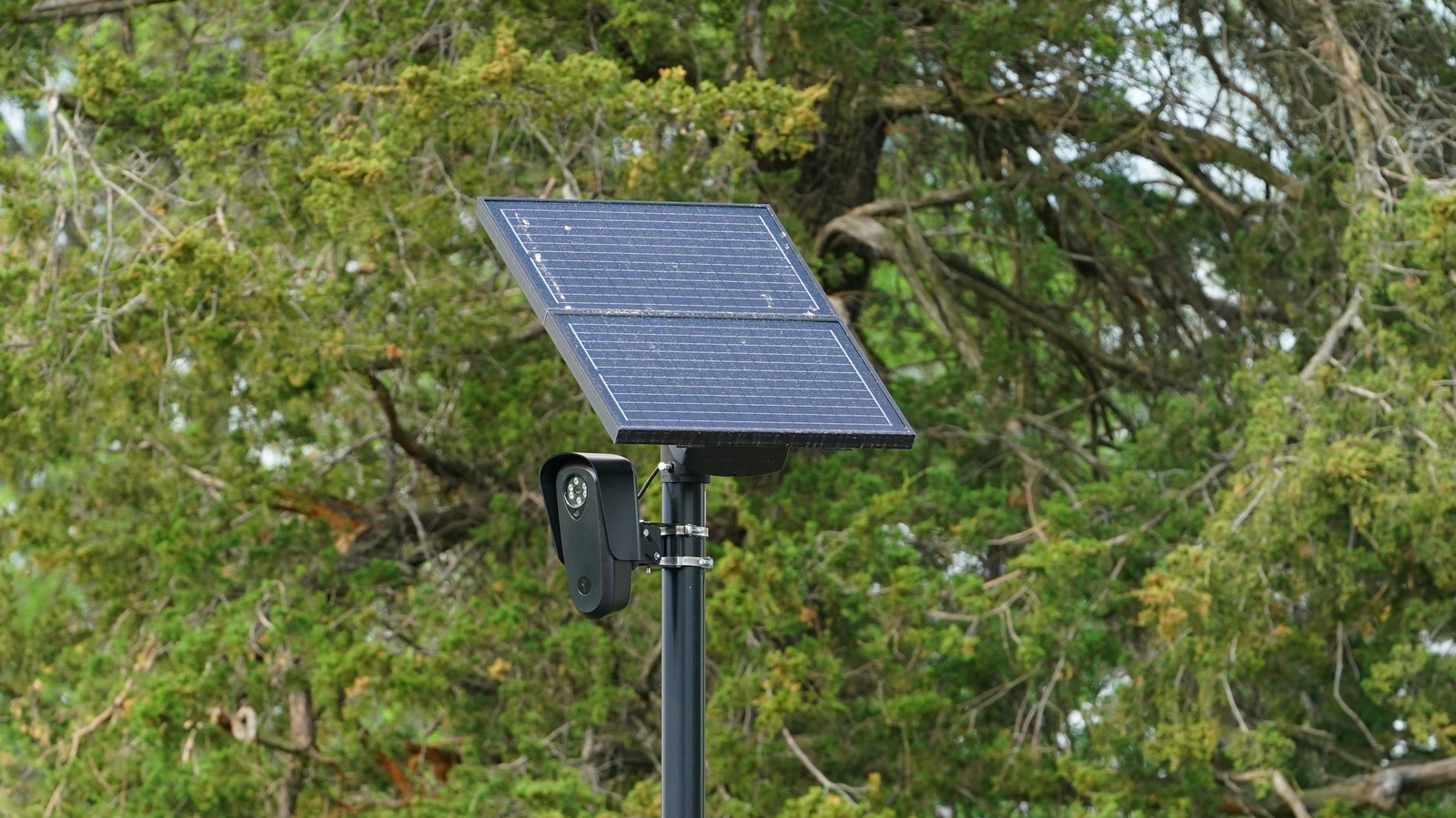 ↗
↗
Flock Safety adds mandatory case-code entry and abnormal-search detection to its ALPR platform for law enforcement users.
The changes raise the operational bar for officers who want to run searches, but exceptions for administrators and legacy customers limit the immediate impact. Engineers building or integrating similar surveillance tools now face a reference design for access controls that balance accountability with emergency flexibility.
Written by elseif from the cluster below · every claim links back to a sourceThe three things worth knowing
Flock now mandates case-code entry and audit logs for all law-enforcement searches on its ALPR platform.
Data retention for new customers drops from 30 days to one week, with carve-outs for active investigations and existing contracts.
Administrators can still override controls, and legacy customers keep their current retention policies.
THE READ
What the cluster adds up to.
Flock is retrofitting its Automated License Plate Reader platform with two new guardrails. Every search must now be tied to a case code, and an audit system flags abnormal patterns, such as repeated queries on the same plate, and locks the account until an administrator reviews it. These controls were previously optional; they are now mandatory for all law-enforcement users.
The changes impose a small but measurable cost on legitimate operations. Officers must enter a case code for every query, and administrators must review flagged activity. The retention window for new customers shrinks from 30 days to seven, although existing customers can keep their current policies if they were approved through a democratic process. Exceptions for active investigations and administrator overrides mean the system can still be bypassed when needed.
The technical limits are clear. Audit logs only catch patterns after they occur, and case codes can be fabricated or shared. Retention carve-outs for legacy customers and active cases mean that data older than seven days will still exist in many jurisdictions. The platform remains vulnerable to misuse by administrators, who can override both the case-code requirement and the audit lockout.
Public backlash and documented abuse cases appear to have driven the changes. Reports of officers using Flock cameras to stalk ex-partners or track abortion-seekers have led to vandalism, theft, and contract cancellations. While the new controls may reduce casual misuse, they do not address broader concerns about data sharing with agencies like ICE or the cameras’ alleged use for interstate surveillance.
Written by elseif from the cluster below · checked for specifics the sources never containedTHE CLUSTER