TECH Signal 234
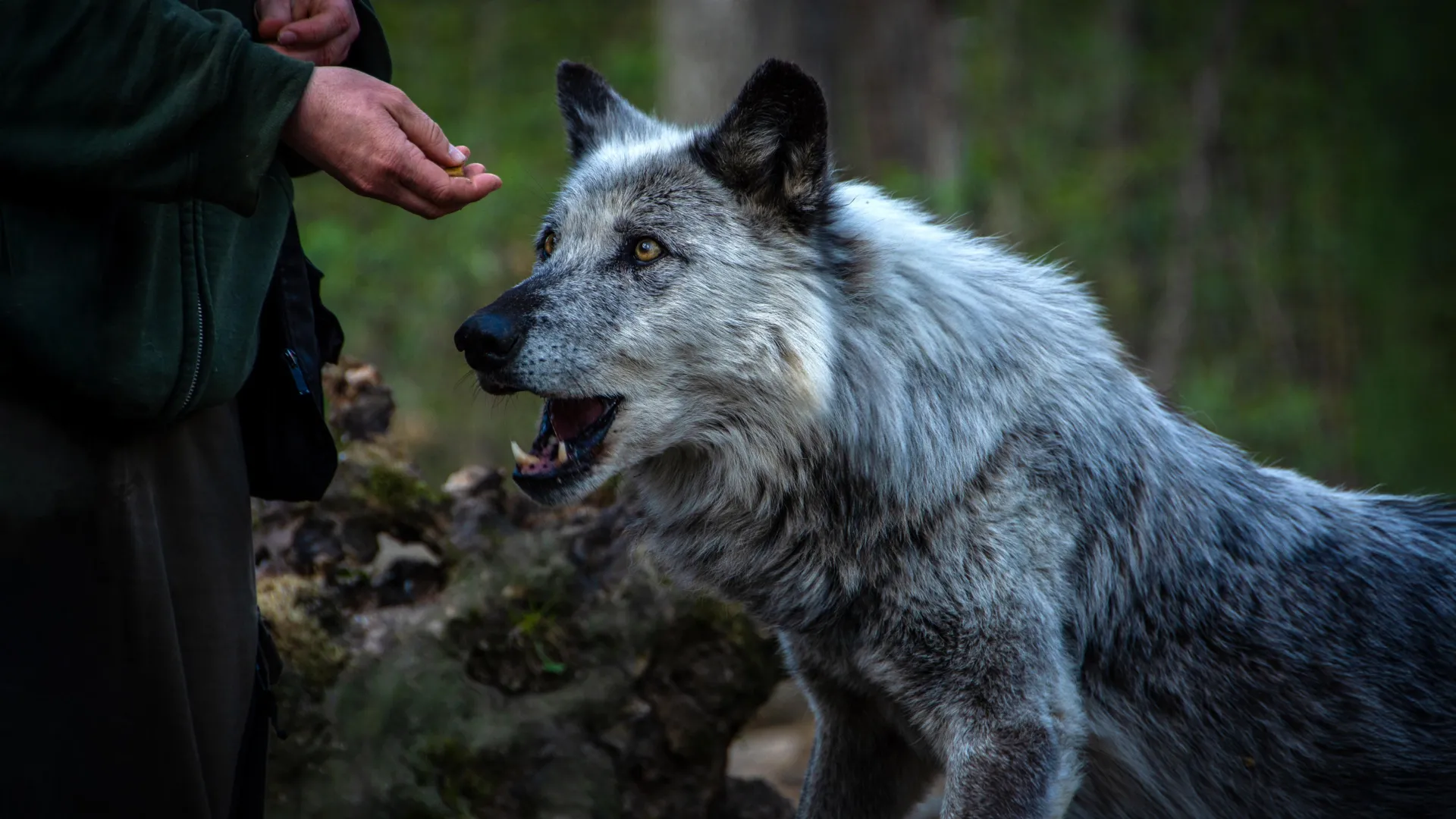
For 15,000 years, humans and dogs have been changing each other
 ↗
↗
Over roughly 15,000 years, humans and dogs have mutually shaped each other's biology and behavior, producing diverse breeds adapted to varied environments and roles.
This long-term co-evolution shows how shared pressures can drive parallel genetic changes in two species, offering a natural model for studying adaptive systems. Engineers can draw on these insights when designing bio-inspired robots or algorithms that must co-adapt with human users or environments. Understanding the limits of such adaptation also highlights where engineered solutions may fail if the co-adaptive loop is broken.
Written by elseif from the cluster below · every claim links back to a sourceThe three things worth knowing
Dogs and humans have co-evolved for about 15,000 years, with early hunter-gatherer groups acting as relatively equal partners in the relationship.
Arctic sled dogs evolved strong limbs and heavy coats for pulling loads in cold, while tropical hunting dogs became leaner and suited to heat and dense vegetation.
High-altitude dogs and humans share genetic traits for low-oxygen tolerance, illustrating parallel evolution, though the exact timing of canine acquisition remains unknown.
THE READ
What the cluster adds up to.
The narrative shifts from a view of humans domesticating wolves to a scenario where early humans and wolves entered the relationship as roughly equal partners. This mutual engagement was especially important in hunter-gatherer societies before other animals or plants came under tight control. Recognizing this reciprocity changes how we interpret the origins of dog domestication.
As the partnership spread across the globe, dogs developed traits that matched local human needs and environments. In the Arctic, selection favored skeletal adaptations for hauling heavy loads over ice, while in rainforests dogs became agile hunters capable of navigating thick vegetation. On the Tibetan Plateau, both dogs and humans show similar genetic responses to hypoxia, indicating parallel adaptation to high altitude.
For engineers, the study provides a concrete example of how long-term, reciprocal interaction can produce specialized, environment-specific solutions. Such patterns can inform the design of systems that must evolve alongside users, like wearable devices or adaptive interfaces. However, the research also notes limits: the exact point when dogs acquired high-altitude adaptations is unclear, and until those genetic variants appeared, hypoxia remained a barrier to canine presence, showing that co-adaptation can stall when necessary traits are absent.
Applying these insights carries costs: interdisciplinary work is needed to combine archaeological, genetic, and ecological data, and translating biological observations into engineering principles requires careful abstraction. Moreover, the findings stop being directly applicable when the engineered system lacks the biological feedback loops that drove the observed changes, such as when selection pressures are artificial or absent.
Overall, the article underscores that adaptation is not a one-way process but a dynamic exchange that can persist for millennia when both parties benefit. Engineers who model similar exchanges should account for the time required for reciprocal change and the potential constraints that arise when adaptive traits are missing.
Written by elseif from the cluster below · checked for specifics the sources never containedTHE CLUSTER